

Streetwear is far more than hoodies and sneakers. For youth aged 18-30, it represents a powerful medium for expressing individuality, signaling social belonging, and navigating complex cultural landscapes. This article explores the deep cultural roots of streetwear in Black and hip-hop communities, examines how social media amplifies trends, and addresses ethical tensions like cultural appropriation and sustainability. You will learn why streetwear resonates uniquely with young people, how to build an authentic wardrobe that honors its origins, and what makes this fashion movement a defining element of youth culture in 2026.
Table of Contents
- What Makes Streetwear A Powerful Form Of Youth Expression?
- The Cultural Roots And Evolution Of Streetwear
- Social Media And The Digital Amplification Of Streetwear Trends
- Nuances, Challenges, And Ethical Considerations In Streetwear Culture
- Building Your Streetwear Wardrobe: Expressing Identity With Purpose
- Explore Premium Streetwear Essentials At BlackWisp.Studio
Key takeaways
| Point | Details |
|---|---|
| Identity expression | Youth use streetwear to communicate unique identity and social belonging through visual style choices. |
| Cultural origins | Streetwear’s roots in Black and hip-hop culture are vital but sometimes overlooked by mainstream consumers. |
| Social media impact | Instagram fuels streetwear’s appeal and trends more effectively than TikTok among young audiences. |
| Ethical considerations | Cultural appropriation and sustainability concerns impact how youth engage with streetwear brands. |
What makes streetwear a powerful form of youth expression?
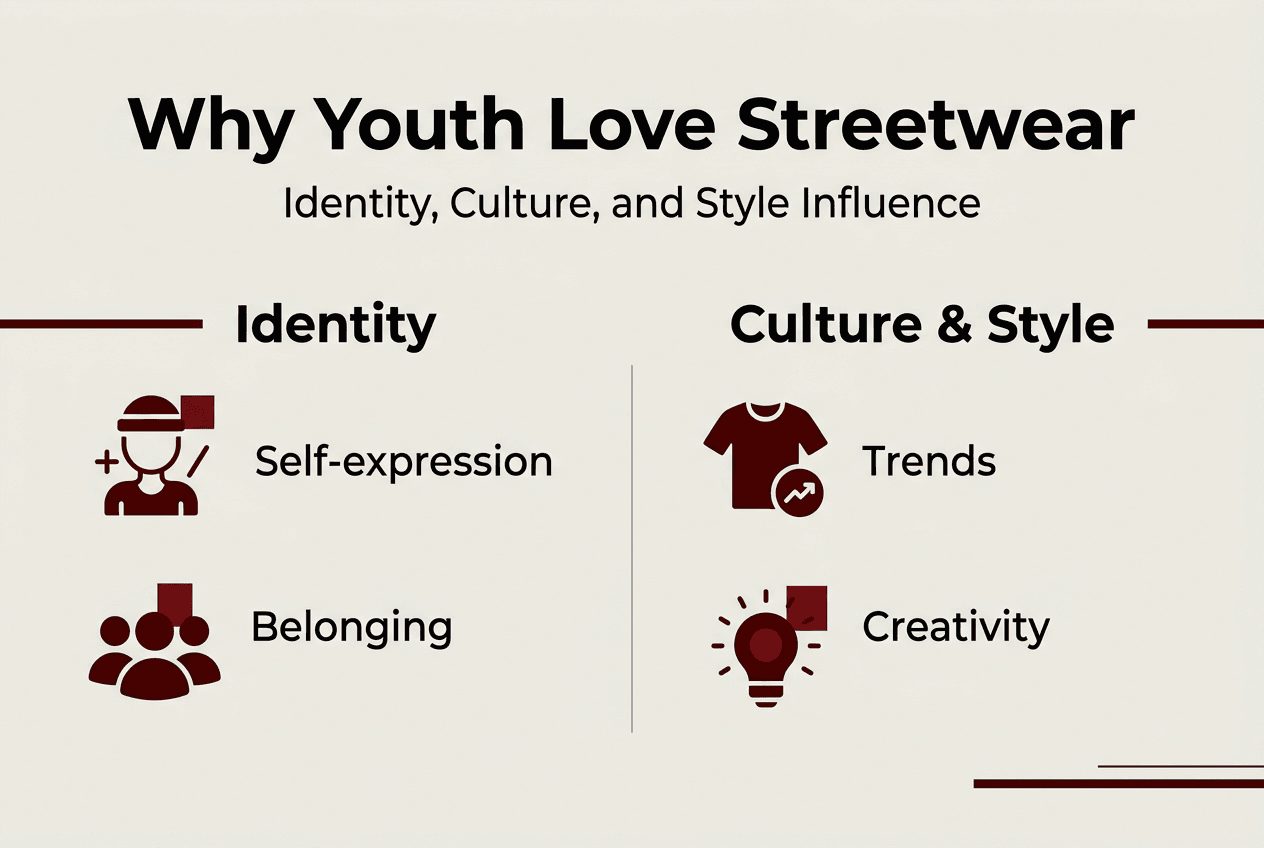
Streetwear functions as nonverbal communication that reveals attitudes, values, and beliefs within youth subcultures and their clothing choices. When you wear a graphic tee or oversized hoodie, you are broadcasting messages about who you are and which communities you identify with. This visual language helps youth signal membership in specific subcultures while distinguishing themselves from out-groups.
Teenagers use fashion to negotiate or maintain social identity during a critical developmental phase. Expressing identity happens visually through bold colors, oversized silhouettes, and recognizable logos that create instant recognition among peers. Whether you are displaying team loyalty, gender identity, or social group affiliation, streetwear provides the tools to construct and project your authentic self.
“Clothing choices reflect deeper psychological needs for belonging and differentiation, especially during the formative years when identity is fluid and experimental.”
The power of streetwear lies in its ability to communicate complex social messages instantly. Consider these key functions:
- Signals shared values and lifestyle preferences to like-minded individuals
- Creates visual boundaries between different youth subcultures and mainstream fashion
- Enables experimentation with identity without verbal commitment
- Builds confidence through alignment with admired cultural figures and movements
Understanding bold young style explained helps you recognize how fashion choices shape social dynamics. Each piece you select contributes to a larger narrative about who you are and what you stand for. This nonverbal communication becomes especially important in digital spaces where visual presentation often precedes personal interaction.
The cultural roots and evolution of streetwear
Streetwear emerged in the US 1980s/90s hip-hop scene with signature items like baggy jeans, graphic tees, and gold chains. Black communities in New York and Los Angeles created this aesthetic as an expression of urban life, economic realities, and cultural pride. The style reflected both resistance to mainstream fashion norms and celebration of community identity.
Iconic items that defined early streetwear include:
- Oversized graphic tees featuring bold typography and cultural references
- Baggy denim jeans that prioritized comfort and movement over tailored fits
- High-top sneakers that bridged athletic performance and street style
- Hoodies that provided both functionality and subcultural signaling
- Gold chains and accessories that symbolized success and aspiration
The fashion industry has appropriated Black styles without proper credit while designers like Dapper Dan transformed Harlem fashion. Dapper Dan’s custom luxury pieces in the 1980s redefined what streetwear could be, blending high fashion logos with urban sensibilities. His work laid groundwork for future Black designers like Virgil Abloh, who brought streetwear credibility to luxury fashion houses.
“The commodification of Black cultural expressions often strips away the historical context and struggle that gave birth to these styles, turning resistance into profit without recognition.”
Understanding the origin of streetwear culture enriches your appreciation for the pieces you wear. When mainstream brands adopt streetwear aesthetics without acknowledging their origins, they perpetuate a pattern of cultural extraction. Recognizing Black designers and their contributions helps combat this erasure and supports authentic representation in fashion.
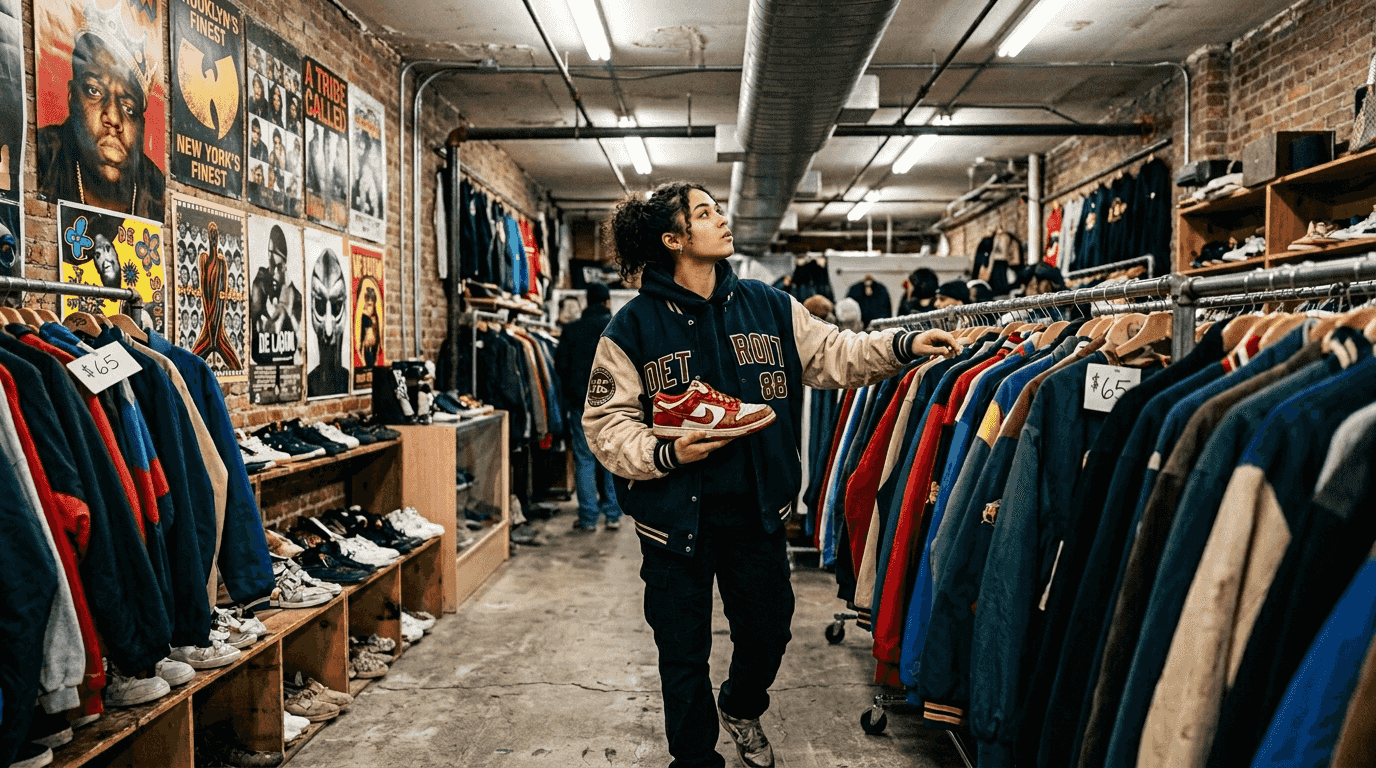
The evolution from underground movement to global phenomenon happened rapidly in the 2000s. Collaborations between streetwear brands and luxury houses legitimized the style while raising questions about authenticity. Today’s streetwear landscape reflects both the democratization of fashion and ongoing tensions around who profits from cultural innovation.
Social media and the digital amplification of streetwear trends
Instagram impacts streetwear interest more strongly among students than TikTok. Visual platforms create perfect environments for showcasing outfit details, brand collaborations, and limited edition releases. Exposure to streetwear images encourages adoption as youth see peers and influencers styling pieces in aspirational ways.
Social media enables rapid spread of trends that would have taken months to circulate in previous decades. When a celebrity wears a limited edition hoodie, images reach millions within hours. This velocity creates intense demand for specific pieces and drives the hype culture that defines modern streetwear. Digital platforms transform clothing into cultural currency that signals awareness and access.
| Platform | Primary Influence | Engagement Type | Youth Impact |
|---|---|---|---|
| Visual storytelling | Curated feeds and stories | Highest for streetwear adoption | |
| TikTok | Trend participation | Short-form video content | Moderate for streetwear trends |
| Style inspiration | Mood boards and collections | Lower for immediate purchases |
Young people curate their online presence using streetwear styles to project authenticity and cultural awareness. The right outfit in a well-composed photo can generate social validation through likes and comments. This feedback loop reinforces certain aesthetic choices while pushing others to the margins.
Key ways social media amplifies streetwear:
- Creates aspirational narratives around urban lifestyle and cultural participation
- Enables direct-to-consumer marketing from emerging brands to niche audiences
- Facilitates community building among geographically dispersed streetwear enthusiasts
- Accelerates trend cycles through viral content and influencer partnerships
Understanding the streetwear role in youth culture 2026 means recognizing how digital spaces shape physical fashion choices. The line between online persona and offline identity blurs as youth seek coherence across platforms. Learning why streetwear appeals to youth identity helps you navigate these digital dynamics thoughtfully.
Pro Tip: Follow diverse creators who discuss streetwear’s cultural context, not just those showcasing expensive hauls. This builds deeper understanding of the stories behind the styles.
Nuances, challenges, and ethical considerations in streetwear culture
Streetweaar faces criticism for cultural appropriation and environmental impact from fast fashion practices. When brands extract aesthetics from marginalized communities without acknowledgment or compensation, they perpetuate exploitation. The rapid production cycles that keep streetwear affordable often rely on labor practices and manufacturing processes that harm workers and ecosystems.
| Ethical Practice | Unethical Practice |
|---|---|
| Collaborating with designers from originating cultures | Copying designs without credit or compensation |
| Using sustainable materials and transparent supply chains | Relying on fast fashion production with hidden costs |
| Educating consumers about cultural significance | Marketing appropriated styles as brand innovations |
| Supporting fair wages and safe working conditions | Exploiting labor in pursuit of lowest prices |
Anti-aesthetic branding like Crocs appeals to Gen Z for authenticity, individuality, and irony. These deliberately “ugly” fashion choices reject traditional beauty standards and signal that wearers prioritize comfort and self-expression over conformity. The trend reflects broader youth values around authenticity and resistance to corporate-defined aesthetics.
Youth increasingly seek brands that reflect values of individuality and social responsibility. This shift creates opportunities for companies willing to prioritize ethical practices over maximum profit margins. Transparency about sourcing, production, and cultural consultation becomes a competitive advantage as consumers demand accountability.
Exploring urban identity concerns in streetwear reveals how fashion choices intersect with larger social justice conversations. The commodification of subcultures raises questions about who benefits from cultural innovation and how marginalized communities can protect their creative contributions.
Pro Tip: Research brands before purchasing by checking their supply chain transparency, cultural consultation practices, and commitment to sustainable materials. Support companies that credit cultural origins and invest in ethical production, even if pieces cost slightly more upfront.
The tension between accessibility and exploitation defines much of contemporary streetwear. While democratization allows more youth to participate in the culture, it also risks diluting the meanings and erasing the histories that give streetwear its power. Navigating these complexities requires ongoing education and willingness to make purchasing decisions aligned with your values.
Building your streetwear wardrobe: expressing identity with purpose
Streetweaar enables personalization and identity construction, appealing due to uniqueness and symbolic meaning. Building an authentic wardrobe starts with understanding what you want to communicate through your clothing choices. Choose pieces that reflect your personality, values, and the communities you want to support.
Mix classic staples with bold statement items to express individuality without overwhelming your aesthetic. A versatile hoodie or well-fitted tee provides foundation pieces you can style multiple ways. Layer these with more adventurous items like graphic jackets or unique accessories that showcase your personal edge.
Practical steps for building your collection:
- Start with neutral staples in quality fabrics that will last multiple seasons
- Add one or two statement pieces that genuinely resonate with your identity
- Consider the cultural significance of logos and graphics before purchasing
- Invest in versatile items you can style for different occasions and moods
- Research brand values to ensure alignment with your ethical standards
Leverage social media trends thoughtfully without losing authenticity. Just because an item goes viral does not mean it fits your personal style or values. Use digital inspiration as a starting point, then filter through your own aesthetic preferences and practical needs. The goal is coherence between your online presentation and lived experience.
Assessing limited editions versus general releases depends on your style goals. Limited drops create artificial scarcity that drives hype but may not offer better quality or design. Sometimes a well-made general release piece serves you better than an expensive limited item you bought purely for status.
Exploring resources like building a unique streetwear wardrobe and understanding types of streetwear mastery provides frameworks for developing your personal style. These guides help you move beyond trend chasing toward intentional wardrobe curation.
Pro Tip: Invest in versatile staples like hoodies or tees from brands that acknowledge streetwear’s cultural roots. These pieces provide maximum styling flexibility while supporting ethical practices and cultural respect.
Accessories and layering techniques multiply your outfit possibilities without requiring constant purchases. A simple tee transforms with different jackets, headwear, or jewelry. This approach builds a sustainable wardrobe that evolves with you rather than demanding complete seasonal overhauls.
Explore premium streetwear essentials at BlackWisp.Studio
Now that you understand streetwear’s cultural significance and how to build an authentic style, BlackWisp.Studio offers premium essentials that embody these values. Our curated collection features hoodies, tees, and lifestyle accessories designed for youth who appreciate bold urban fashion rooted in authenticity.
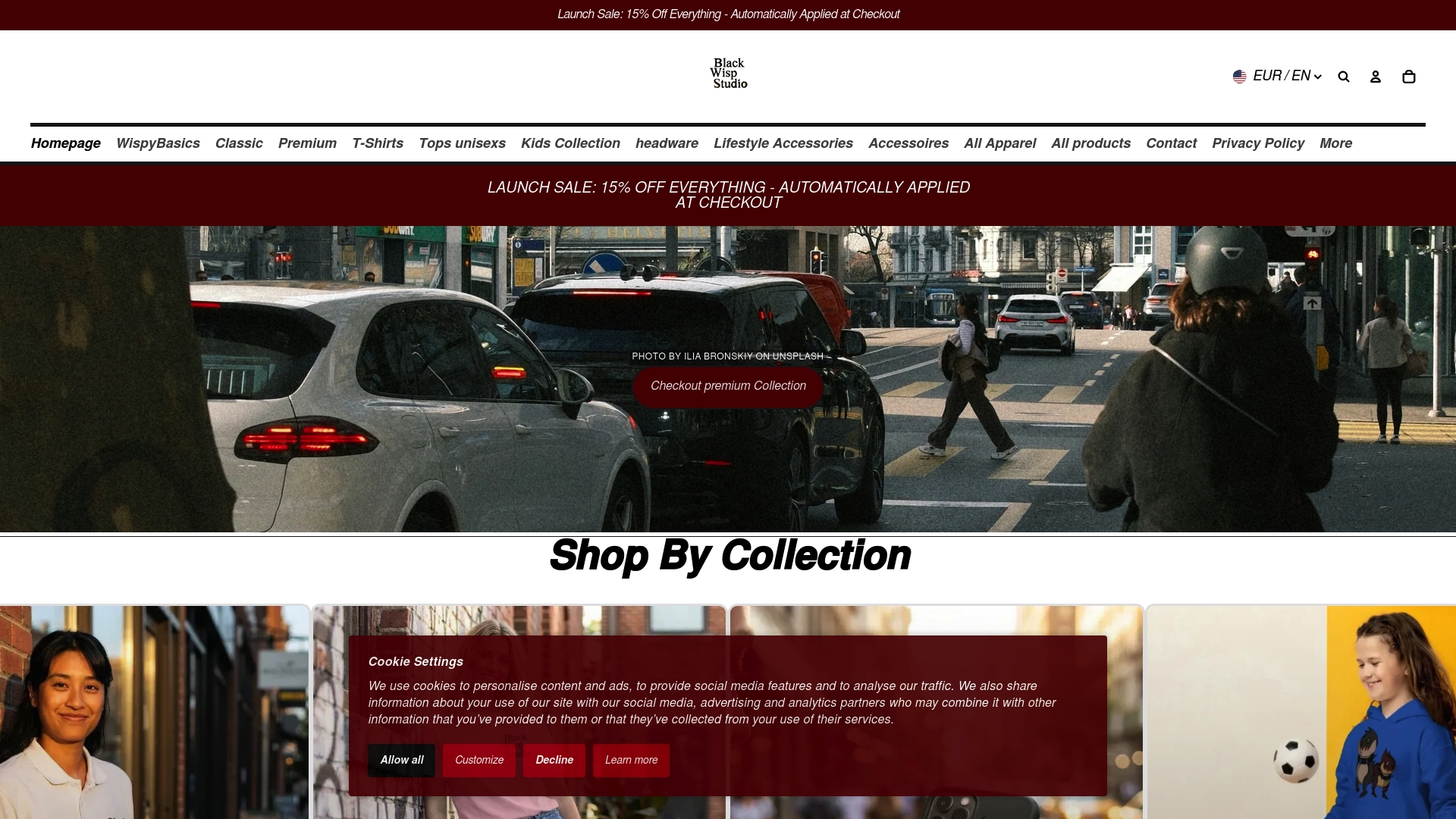
Each piece in our collection supports building a wardrobe aligned with streetwear culture and your personal values. From our premium streetwear T-Shirts to our premium zip-hoodie collection, we prioritize quality craftsmanship and designs that let you express your unique identity. Explore our collections to find pieces that resonate with your style journey and help you make statements that matter.
Frequently asked questions
What is streetwear and why is it popular among youth?
Streetwear is casual fashion rooted in urban, hip-hop, and skate cultures that emerged in the 1980s. Its popularity among youth comes from enabling self-expression, identity construction, and social belonging through visual style choices. Young people use streetwear to signal values, affiliations, and individuality in ways that feel authentic to their lived experiences.
How do social media platforms influence streetwear trends?
Instagram impacts streetwear interest more strongly among students than TikTok. Visual content on Instagram encourages fashion adoption by showcasing how influencers and peers style pieces in aspirational contexts. The platform’s format allows detailed outfit presentation that drives purchasing decisions and trend participation. Understanding the streetwear role in youth culture helps you navigate these digital influences thoughtfully.
What are the ethical concerns related to streetwear culture?
Ethical concerns include cultural appropriation and environmental impacts from fast fashion practices in streetwear. Cultural appropriation occurs when brands extract aesthetics from Black and hip-hop communities without acknowledgment or compensation. Fast fashion production often relies on exploitative labor and environmentally harmful processes. Exploring urban identity concerns in streetwear reveals how these issues intersect with social justice.
How can I start building an authentic streetwear style?
Choose pieces that reflect your personality and respect the cultural roots of streetwear. Mix classic staples like quality hoodies and tees with expressive statement items that showcase your individuality. Use trusted brands that embrace sustainability, cultural consultation, and transparent production practices. Resources like building a unique streetwear wardrobe provide practical frameworks for developing coherent personal style that aligns with your values.