

Bold statements and rare pieces might turn heads, but true streetwear goes deeper than just bold graphics or oversized fits. For young adults who care about style and substance, understanding the roots of streetwear—shaped by U.S. hip-hop culture and global youth communities—changes how you see every drop and every collab. This article uncovers why streetwear is a cultural lifestyle expressed through apparel, art, and music, revealing the real meaning behind your favorite brands and why authenticity is everything.
Table of Contents
- Defining Streetwear And Common Misconceptions
- Major Streetwear Styles And Influential Subcultures
- Key Features: Expression, Community, And Creativity
- Economic Impact And Mainstream Adoption
- Risks Of Trend Chasing And Sustainability Issues
Key Takeaways
| Point | Details |
|---|---|
| Cultural Understanding | Streetwear is a cultural movement rooted in self-expression and community, not just casual clothing. |
| Intentional Engagement | Choose pieces that reflect values and personal narratives, rather than following fleeting trends. |
| Subculture Respect | Recognize and honor the subcultures that shape streetwear to maintain its authenticity. |
| Sustainable Choices | Opt for quality, sustainable brands to combat the negative impacts of fast fashion in streetwear. |
Defining Streetwear and Common Misconceptions
Streetwear isn’t just baggy clothes or casual wear you throw on without thinking. It’s a cultural lifestyle expressed through apparel, art, and music, emerging from U.S. urban communities and hip-hop culture in the late 1980s and early 1990s. Understanding this foundation matters because it shapes how you engage with the culture today.
Most people misunderstand what streetwear actually is. Here’s what separates the real deal from misconceptions:
Common Myths vs. Reality
-
Myth: It’s just cheap, comfortable clothing. Reality: Streetwear is a form of personal and social identity expression rooted in self-expression, exclusivity, cultural events, and influential figures.
-
Myth: Any oversized hoodie counts as streetwear. Reality: Authentic streetwear carries cultural meaning tied to specific communities and movements.
-
Myth: Streetwear is appropriation from hip-hop. Reality: Cultural appreciation versus appropriation requires understanding and respecting the rich historical and socio-political context behind the movement.
The key distinction: Streetwear evolved from genuine community expression, not marketing departments creating “urban vibes.” When you wear streetwear that resonates with you, you’re tapping into decades of cultural significance and personal storytelling.
Streetwear is a significant socio-cultural phenomenon intertwined with identity and community, not simply a fashion trend.
What makes streetwear different from regular urban clothing? It demands intentionality and cultural awareness. You’re not just picking pieces for comfort or convenience—you’re selecting items that reflect your values, your community, and your understanding of this movement’s history.
The industry has exploded from a niche subculture into a billion-dollar global phenomenon. Yet this growth has created confusion about what streetwear actually means. Some brands slap graffiti graphics on basic tees and call it streetwear. That’s not the same as understanding the culture.
Streetwear versus high fashion represents fundamentally different philosophies about how clothing communicates identity and value.
When you understand the genuine definition of streetwear, you can identify authentic pieces versus superficial imitations. You’ll recognize brands and designs that honor the culture versus those exploiting it for profit.
To clarify streetwear’s cultural significance, here is a comparison of authentic streetwear and commercial imitations:
| Aspect | Authentic Streetwear | Commercial Imitation |
|---|---|---|
| Cultural Roots | Deep subculture connection | Lacks true heritage |
| Design Approach | Inspired by community stories | Follows short-term trends |
| Intended Message | Personal and collective identity | Generic mass appeal |
| Brand Practice | Often limited, collaborative, exclusive | High volume, graphic-focused |
| Consumer Impact | Fosters belonging and meaning | Drives superficial adoption |
Pro tip: Research the origin stories of pieces you’re interested in—understanding why a design matters helps you build a wardrobe that genuinely reflects who you are, not just what looks cool.
Major Streetwear Styles and Influential Subcultures
Streetwear didn’t emerge from a single source—it evolved from multiple subcultures colliding and blending together. Understanding these roots helps you recognize authentic style and connect with the culture’s deeper meaning.
The main subcultures that shaped streetwear include skateboarding, surfing, hip-hop, graffiti, and rave culture. Each brought distinct visual elements and attitudes that continue influencing streetwear today.
Key Subcultures and Their Visual Signatures
-
Skateboarding: Brought oversized silhouettes, graphic tees, and sneakers as functional wear that became style statements. Skate brands transformed casual gear into cultural icons.
-
Hip-hop: Introduced bold logos, baggy fits, and high-end sportswear worn as everyday fashion. This subculture made luxury accessible through street style.
-
Graffiti and Street Art: Added graphic-heavy designs, hand-painted aesthetics, and rebellious messaging that challenged commercial fashion norms.
-
Surfing: Contributed laid-back aesthetics, vibrant colors, and beach-inspired casual wear that blended functionality with style.
-
Rave Culture: Brought neon colors, bold patterns, and experimental silhouettes that pushed streetwear into more avant-garde territory.
Youth culture and urban regions remain central to how streetwear evolves and spreads globally. Young people in cities drive innovation by remixing these subcultural elements.
Streetwear styles blend from intersecting subcultures, creating diverse expressions of identity that continue evolving worldwide.
Today’s streetwear doesn’t belong to just one subculture. You’ll see skate aesthetics mixed with hip-hop silhouettes, graffiti graphics on designer pieces, and rave-inspired colors in mainstream collections. This fusion is what makes streetwear so dynamic and personal.
The most recognizable streetwear elements emerged from these movements: graphic tees, oversized hoodies, premium sneakers, and bold logos. These pieces transcend trends because they carry cultural weight and real functionality.
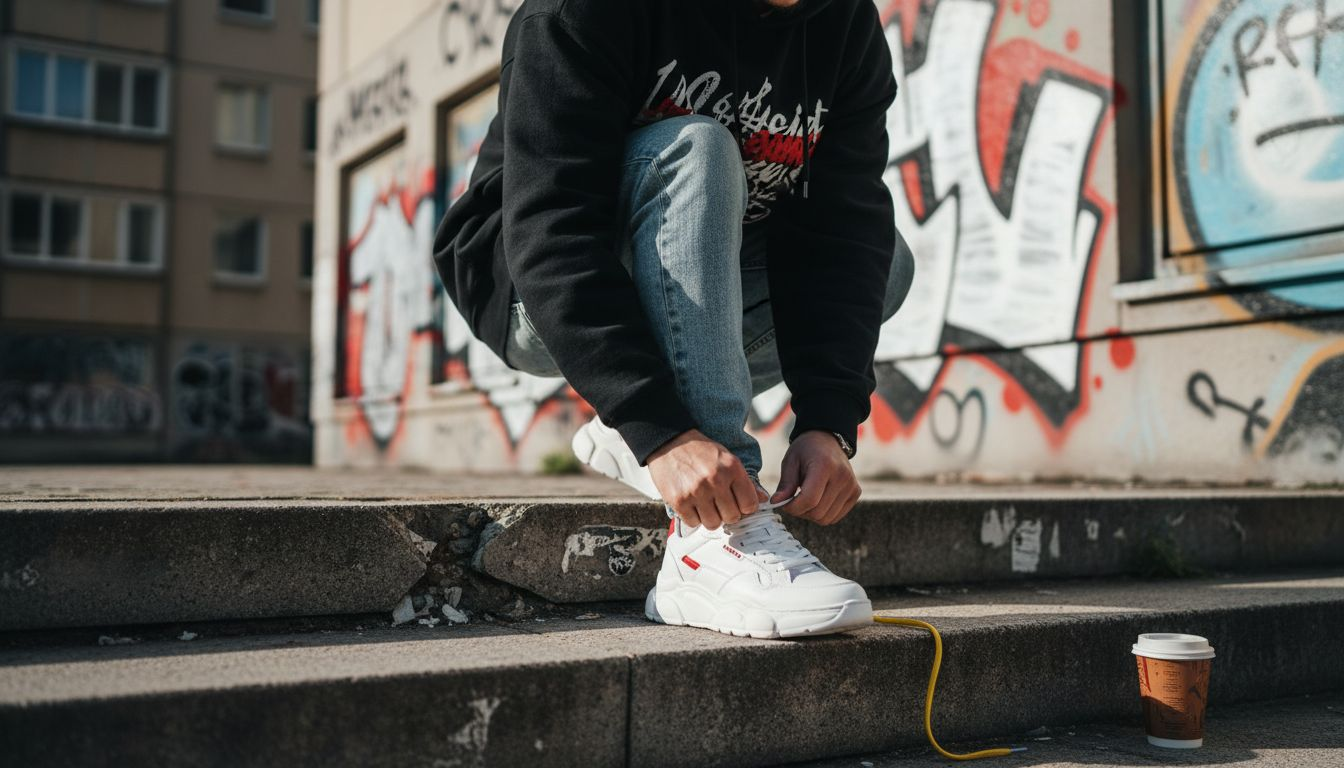
Explore how different subcultures have shaped streetwear aesthetics:
| Subculture | Key Influence on Style | Notable Signature |
|---|---|---|
| Skateboarding | Functional oversized pieces | Emphasis on durable sneakers |
| Hip-Hop | Luxury meets street | Bold logos and accessories |
| Graffiti | Art on apparel | Vivid graphic prints |
| Surfing | Relaxed, colorful attire | Beach-inspired color palettes |
| Rave | Daring silhouettes | Neon colors and patterns |
Global influences continue shaping streetwear as regional movements interact with international communities. What started in British and American urban centers now flows between Tokyo, Seoul, Berlin, and New York.
When you build your streetwear collection, recognizing these subcultural roots helps you make intentional choices. You’re not just buying pieces—you’re honoring the movements that created them.
Pro tip: Research the subculture origins of specific pieces or brands you love—understanding whether something comes from skate, hip-hop, or graffiti culture deepens your appreciation and helps you style pieces authentically.
Key Features: Expression, Community, and Creativity
Streetwear operates on three pillars that separate it from regular fashion. These aren’t just design elements—they’re the core of why streetwear connects so deeply with your identity and sense of belonging.
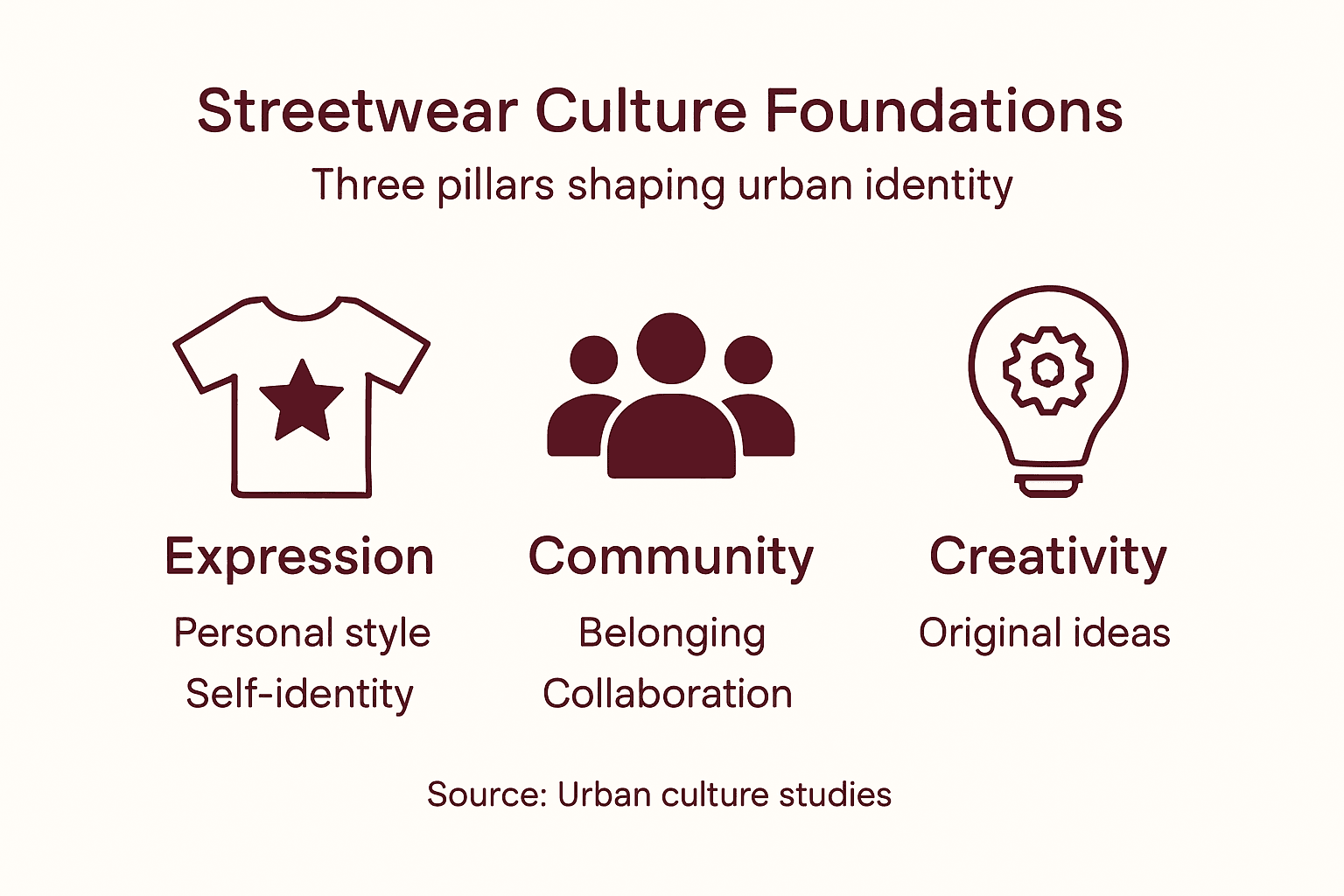
Self-Expression Through Personal Style
Streetwear lets you communicate who you are without saying a word. You’re not following designer directives or seasonal trends dictated by fashion houses. Instead, you select pieces that align with your values, your interests, and your personality.
This freedom is fundamental. A graphic tee with artwork from your favorite artist. Sneakers that match your lifestyle. Hoodies that feel authentically you. Streetwear pieces become extensions of your identity.
Streetwear functions as a tool for self-identity and social confidence, allowing you to express individuality while aligning with brand narratives that resonate personally. When you wear something intentionally chosen, you’re building self-assurance through authentic expression.
Community and Belonging
Streetwear isn’t a solitary experience. It thrives within communities—both physical and digital. Shared cultural events, brand communities, and social circles create bonds between people who understand the same cultural references and values.
Think about it: recognizing someone’s vintage skate hoodie or rare sneaker isn’t just fashion recognition. It’s a nod to shared culture. It’s community.
Streetwear fosters collective identity and innovation within urban youth through shared values and creative participation.
Creative Participation and Innovation
Communities thrive when members actively create. You’re not passive consumers—you’re participating in an evolving cultural conversation. Customizing pieces, styling collections in original ways, and remixing subcultural elements keeps streetwear alive and growing.
Creativity happens everywhere:
- Mixing vintage and contemporary pieces
- Personalizing graphics or fits
- Developing unique styling combinations
- Contributing to brand communities online
- Creating content that documents your style journey
Brands recognize this creativity and build their identities around it. They’re not just selling clothes; they’re inviting you into a movement.
How These Three Elements Connect
Expression without community feels incomplete. Community without creativity becomes stagnant. Creativity without personal expression loses authenticity. Streetwear’s power comes from how these three elements reinforce each other constantly.
When you engage with streetwear intentionally, you’re participating in all three simultaneously. That’s what makes it more than fashion—it becomes your urban identity.
Pro tip: Seek out communities that celebrate your specific streetwear interests, whether that’s skate culture, vintage collecting, or emerging designers—shared passion deepens both your personal expression and your connection to the broader culture.
Economic Impact and Mainstream Adoption
Streetwear has exploded from underground movement to a multi-billion-dollar global market. This transformation didn’t happen by accident—it’s driven by young consumers who demanded authentic alternatives to traditional fashion retail.
A decade ago, streetwear was niche. Today, it dominates retail landscapes and influences how major fashion houses operate worldwide. Understanding this economic shift helps you recognize why streetwear matters beyond just clothing.
The Market Size and Growth
The numbers are staggering. Streetwear represents a multi-billion-dollar global market driven primarily by young consumers seeking authentic expression over luxury heritage branding. This growth reflects a fundamental shift in consumer priorities and purchasing power.
Young people are voting with their wallets. They’re choosing independent brands, direct-to-consumer models, and community-driven companies over traditional department stores.
How Streetwear Changed Retail Forever
Streetwear disrupted traditional retail through innovative sales approaches and digital engagement:
-
Direct-to-consumer models: Brands bypass middlemen and connect directly with customers through their own websites and social channels.
-
Viral social media communication: A single Instagram post or TikTok can generate thousands in sales overnight. Authenticity spreads faster than any traditional advertising.
-
Resale markets: Platforms enabling secondary sales created entirely new revenue streams and extended product lifecycles.
-
Limited releases: Scarcity drives demand. Drops create urgency and community engagement that traditional retail never achieved.
Streetwear evolved from underground countercultures to become a dominant segment influencing global mainstream brands and consumer behavior.
Mainstream Brands Adapting to Streetwear Logic
Luxury houses that once dismissed streetwear now desperately copy its strategies. They’re hiring streetwear designers, creating limited collaborations, and adopting direct sales approaches.
This shift reveals streetwear’s actual power. It’s not about the clothes—it’s about how brands build communities, create authenticity, and engage young consumers on their terms.
Why This Matters for Your Urban Identity
The mainstream adoption of streetwear means you have unprecedented choice and agency. The brands competing for your attention understand that connection matters more than heritage or prestige.
You’re no longer a passive consumer. You’re shaping the market through your purchases, your creative styling, and your community participation.
Pro tip: Support independent streetwear brands and emerging designers rather than only established names—your purchases directly fund authentic creators and shape what the market offers next.
Risks of Trend Chasing and Sustainability Issues
Streetwear’s explosive growth has created a dark underbelly. The same culture that celebrates authenticity now faces pressure from trend-chasing consumers and unsustainable production practices. Understanding these risks helps you engage with streetwear responsibly.
The problem is real. Popularity breeds imitation, and imitation breeds superficiality. Brands that once represented genuine culture now chase quarterly profits through disposable collections.
The Trend Chasing Trap
Trend chasing means buying pieces purely because they’re viral, without understanding their cultural significance or personal relevance. You’re following social media algorithms instead of your actual values.
Rapid trend cycles fuel superficial engagement with streetwear culture, stripping away the intentionality that defines authentic expression. When everyone buys the same trending piece, nobody stands out—which defeats the entire purpose of streetwear.
This creates a cycle. You feel pressure to constantly consume new items. Collections pile up. Nothing feels meaningful anymore.
Sustainability and Environmental Impact
Fast fashion production has infiltrated streetwear. The same rapid trend cycles driving trend chasing also drive manufacturing at unsustainable speeds.
Here’s what happens behind the scenes:
-
Textile waste: Overproduction means inventory destruction when trends shift.
-
Water consumption: Dyeing and finishing processes consume enormous amounts of water, straining ecosystems.
-
Chemical pollution: Manufacturing facilities release toxic runoff affecting surrounding communities.
-
Worker exploitation: Fast production timelines pressure factories into labor practices with poor wages and unsafe conditions.
-
Carbon footprint: Rapid shipping and distribution networks significantly increase emissions.
Streetwear’s environmental and social impact worsens when driven by trend cycles rather than intentional consumption.
Cultural Dilution Through Appropriation
Trend chasing without cultural awareness leads to appropriation. Wearing something because it’s trending, without understanding its origins, erases the communities that created it.
This matters because it undermines streetwear’s core purpose—honoring the subcultures and movements that inspired pieces. When culture becomes just another consumable trend, it loses its power.
Making Intentional Choices
Authentic streetwear engagement requires slowing down. Ask yourself before purchasing: Why do I want this piece? Does it reflect my values? Will I actually wear it?
Support brands aligned with sustainable practices. Research production methods. Choose quality pieces you’ll wear for years, not seasons.
This approach honors streetwear’s roots while protecting the communities and environments affected by production.
Pro tip: Buy fewer pieces intentionally and research brands’ manufacturing practices and cultural commitments—quality over quantity protects your wallet, the environment, and the authenticity of streetwear culture.
Elevate Your Urban Identity with Streetwear that Speaks
Are you ready to express your true self through authentic streetwear that honors cultural roots and showcases your individuality? The challenge many face is choosing pieces that reflect real street culture instead of fleeting trends. At BlackWisp.Studio, we understand your desire for meaningful self-expression, community connection, and wearable creativity.
Explore our Premium Streetwear Collection for bold designs crafted with quality and intention. Each piece supports your journey toward building a wardrobe that conveys your urban identity with confidence and authenticity.
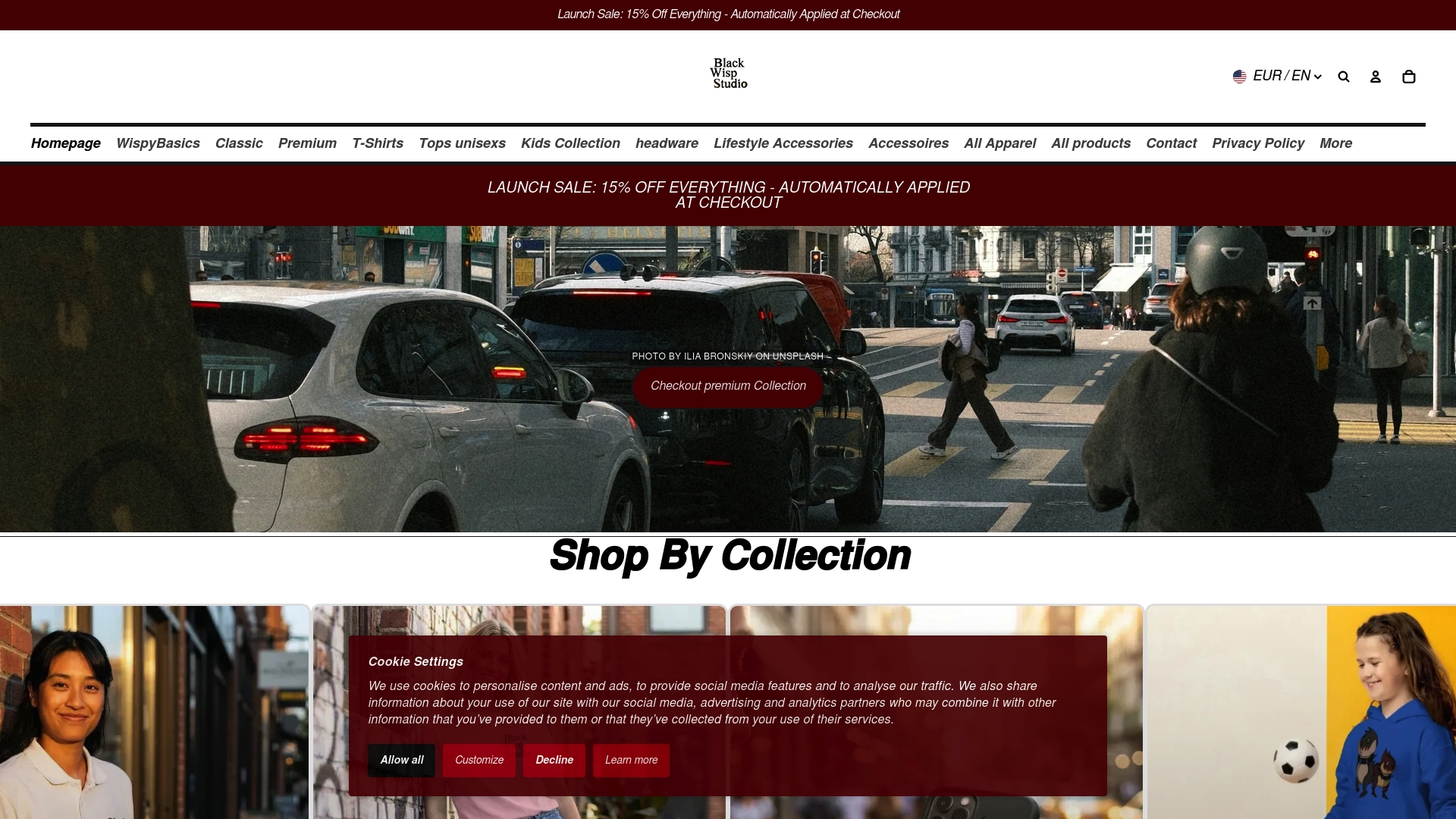
Take control of your street style today by selecting apparel that embodies the spirit of genuine streetwear culture. Visit BlackWisp.Studio now to browse our Classic Collection - Front & Back prints | BlackWisp.Studio and WispyBasics Collection - Affordable | BlackWisp.Studio. Start curating a collection that goes beyond fashion and truly represents who you are.
Frequently Asked Questions
What defines streetwear as a cultural movement?
Streetwear is a cultural lifestyle expressed through apparel, art, and music, rooted in urban communities and hip-hop culture from the late 1980s and early 1990s. It reflects personal and social identity rather than merely being casual wear.
How does streetwear facilitate self-expression?
Streetwear allows individuals to communicate their values, interests, and identities through carefully selected clothing pieces that resonate with their personal stories, rather than through trends dictated by fashion houses.
What are the main subcultures that influenced streetwear?
Key subcultures that shaped streetwear include skateboarding, hip-hop, graffiti, surfing, and rave culture. Each has contributed distinctive visual elements and attitudes that continue to influence streetwear today.
What are the economic impacts of streetwear on the fashion industry?
Streetwear has transformed from a niche market to a multi-billion-dollar sector, shaping buying behaviors and retail strategies by emphasizing community-driven models, direct-to-consumer sales, and limited release strategies.