

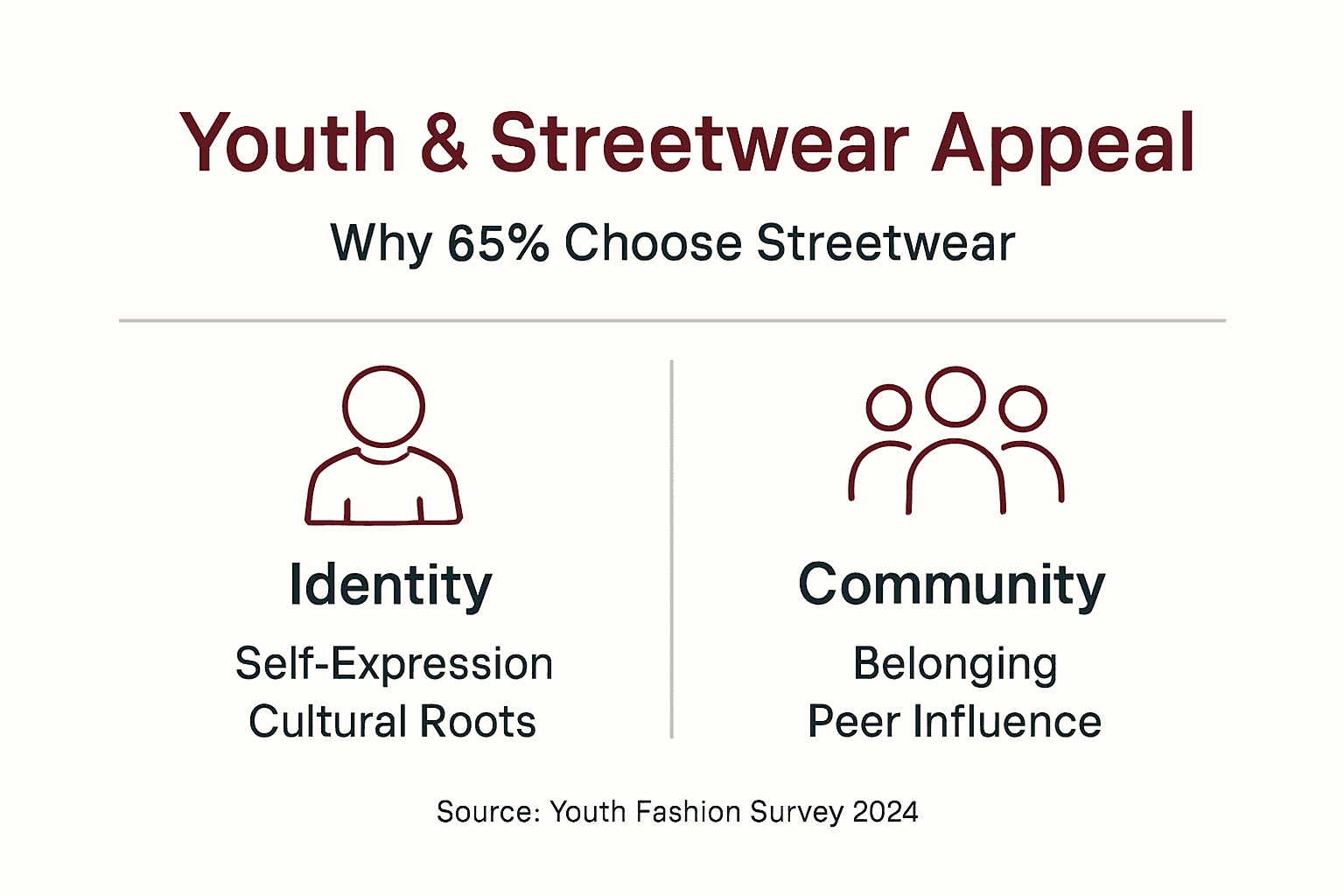
Over 65% of youth aged 16 to 30 purchase streetwear to express personal style distinct from mainstream fashion. This statistic reveals streetwear’s role as more than clothing. It’s a cultural movement shaping how young people worldwide project identity, build community, and navigate urban lifestyle. This article unpacks the psychological, cultural, social, and practical reasons driving streetwear’s magnetic appeal to youth globally.
Table of Contents
- Introduction To Streetwear And Youth Culture
- Why Streetwear Resonates With Youth: Identity And Self-Expression
- Cultural Origins And Evolution Of Streetwear
- Social Identity And Community In Streetwear Culture
- Common Misconceptions About Streetwear
- Comparison With Mainstream Fashion And Luxury Brands
- Practical Appeal Of Streetwear: Comfort, Craftsmanship, And Culture
- Conclusion: Embracing Streetwear As A Lifestyle Choice
- Explore BlackWisp.Studio’s Premium Streetwear Collections
Key Takeaways
| Point | Details |
|---|---|
| Self-Expression Power | Streetwear empowers youth to communicate unique identity and individuality through fashion choices. |
| Cultural Authenticity | Rooted in hip-hop, skateboarding, and urban art, streetwear carries authentic cultural narratives youth value. |
| Community Building | Streetwear functions as social signaling, creating belonging and status within peer networks and online communities. |
| Premium Craftsmanship | Often misunderstood as casual, streetwear represents high-quality materials and exclusive limited drops. |
| Fashion Ecosystem Position | Distinct from fast fashion’s mass production and luxury’s exclusivity, streetwear balances accessibility with cultural credibility. |
Introduction to Streetwear and Youth Culture
Streetwear represents a fashion and cultural movement originating from urban environments, blending apparel with music, art, and lifestyle influences. Youth aged 16 to 30 form the core demographic, drawn to its authenticity and connection to subcultures they identify with. Global adoption has surged, with streetwear brands generating billions in revenue annually and collaborations between designers and musicians creating viral hype cycles.
This movement extends beyond trend cycles. It reflects the intersection of personal style and cultural participation, where wearing specific brands or pieces signals alignment with values, communities, and creative movements. The streetwear’s global reach demonstrates how fashion transcends geography when rooted in shared cultural experiences.
Key characteristics defining streetwear include:
- Limited edition drops creating scarcity and exclusivity
- Graphic-heavy designs influenced by skate, hip-hop, and graffiti aesthetics
- Collaborations between fashion brands and artists or musicians
- Emphasis on comfort and functionality alongside bold visual statements
- Community-driven marketing through social media and event culture
Streetwear’s positioning within youth culture stems from its ability to merge practical apparel needs with deeper cultural storytelling. Unlike conventional fashion focused solely on aesthetics or status, streetwear communicates belonging to movements larger than individual style. This duality makes it uniquely appealing to young people seeking both self-expression and social connection.
Why Streetwear Resonates with Youth: Identity and Self-Expression
Adolescence and early adulthood mark critical periods for identity formation, where individuals experiment with how they present themselves to the world. Streetwear serves as a powerful tool during this phase, allowing youth to project uniqueness while managing social perceptions. The visual language of streetwear offers immediate communication of personality, values, and cultural affiliations without verbal explanation.
Research shows over 65% of youth aged 16 to 30 purchase streetwear to express personal style distinct from mainstream fashion. This data highlights how youth streetwear motivation centers on differentiation rather than conformity. Young consumers actively seek pieces that feel authentic to their individual narratives, not mass-produced items lacking personal resonance.

Streetwear balances two competing social needs: fitting in and standing out. Limited releases allow wearers to join exclusive communities while expressing individuality through rare finds. This psychological tension drives engagement, as youth navigate belonging to subcultures without sacrificing personal distinctiveness. The act of securing coveted drops or styling pieces uniquely becomes part of identity construction itself.
Key psychological drivers include:
- Autonomy: Youth exercise control over self-presentation through deliberate fashion choices
- Authenticity: Streetwear’s cultural roots provide perceived genuine connection versus manufactured trends
- Differentiation: Unique pieces separate wearers from mainstream fashion conformity
- Symbolic meaning: Certain brands or designs carry narratives youth align with personally
Pro Tip: Choose pieces with symbolic meaning or limited releases to amplify individuality. Research the cultural story behind designs before purchasing to ensure alignment with your authentic identity, not just hype.
The streetwear community engagement phenomenon demonstrates how fashion becomes identity work. Young people curate wardrobes as extensions of personality, using visual cues to communicate who they are and what they value. This intentionality distinguishes streetwear consumption from passive fashion following.
Cultural Origins and Evolution of Streetwear
Streetwear’s foundation lies in hip-hop and skateboarding subcultures emerging during the 1980s and 1990s. Hip-hop artists pioneered oversized silhouettes, branded sportswear, and bold graphics as visual rebellion against mainstream fashion norms. Skateboarding contributed functional design elements like durable fabrics, loose fits for movement, and DIY customization aesthetics borrowed from punk culture.
“Hip-hop didn’t just influence streetwear aesthetics; it created the blueprint for how youth use fashion as cultural currency and personal narrative.”
These origins matter because they ground streetwear in authentic lived experiences rather than corporate marketing constructs. Youth recognize this distinction, valuing brands that maintain connections to cultural roots of streetwear rather than exploiting aesthetics superficially. Collaborations between musicians and designers sustain this authenticity, reinforcing streetwear as participatory culture, not passive consumption.
The integration with streetwear and urban culture extends beyond music to visual art, graffiti, and underground creative movements. Artists use apparel as canvases, transforming clothing into wearable art that carries social commentary or aesthetic innovation. This artistic dimension elevates streetwear beyond functional fashion into cultural artifacts youth collect and display.
Evolutionary milestones shaping modern streetwear:
- 1980s: Hip-hop pioneers like Run-DMC popularize Adidas and sportswear as fashion statements
- 1990s: Skateboarding brands like Stüssy and Supreme establish limited drop models
- 2000s: Collaborations between streetwear labels and luxury houses blur fashion hierarchies
- 2010s: Social media amplifies hype culture and global accessibility to drops
- 2020s: Sustainability and inclusivity become priorities alongside cultural authenticity
Streetwear functions as cultural storytelling, reflecting youth experiences navigating urban environments, economic realities, and creative expression. Each design element from graphics to silhouettes carries historical weight, connecting contemporary wearers to movements that shaped modern youth culture. This depth distinguishes streetwear from fleeting trends lacking cultural substance.
Social Identity and Community in Streetwear Culture
Social identity theory explains how individuals derive self-concept from group memberships, seeking positive distinctiveness through affiliations. Streetwear provides visible markers of belonging to specific communities, whether local skate crews, online forums, or global brand followings. These affiliations offer psychological benefits including validation, status, and shared meaning-making.
Peer influence drives streetwear engagement as youth monitor what friends and online communities value. Exclusive drops function as social currency, granting wearers status within networks that recognize and appreciate rare pieces. This dynamic creates feedback loops where community participation reinforces purchasing behavior, and purchases deepen community integration.
Statistic Callout: 90% of streetwear enthusiasts engage in online or offline community events regularly, fostering social interaction and belonging.
The social role of streetwear extends beyond individual expression to collective identity construction. Wearing specific brands or attending drop events signals membership in communities sharing values, aesthetics, and cultural priorities. These spaces provide youth with belonging often lacking in fragmented modern social landscapes.
Community dynamics shaping streetwear engagement:
- Drop culture: Limited releases create shared experiences and conversational topics within peer groups
- Event attendance: Pop-ups, collaborations, and brand activations serve as social gathering spaces
- Online forums: Platforms like Reddit and Discord enable global connection around shared fashion interests
- Resale markets: Trading and collecting foster economic ecosystems and relationship building
Streetwear communities also provide mentorship and knowledge transfer, where experienced collectors educate newcomers on history, quality markers, and styling approaches. This pedagogical dimension strengthens social bonds while preserving cultural narratives embedded in pieces. Youth gain not just clothing but cultural literacy connecting them to broader movements.
The streetwear community engagement stats reveal how fashion becomes social infrastructure. Regular participation in streetwear spaces provides consistent social interaction, identity reinforcement, and emotional support through shared passion. This community foundation makes streetwear resilient against trend cycles threatening less culturally embedded fashion movements.
Common Misconceptions about Streetwear
Several myths distort public understanding of streetwear, limiting its perceived value and cultural significance. Addressing these misconceptions clarifies why youth engage deeply with this fashion movement beyond superficial trend following.
-
Myth: Streetwear is only casual wear. Reality: Premium streetwear incorporates high-quality materials like heavyweight cotton, technical fabrics, and artisan craftsmanship. Limited production runs and designer collaborations position many pieces as collectible items commanding luxury prices. Exclusivity and quality rival traditional luxury brands while maintaining accessible aesthetics.
-
Myth: Streetwear is a fleeting trend. Reality: Brands established in the 1990s like Supreme, Stüssy, and A Bathing Ape remain cultural forces decades later. Streetwear’s foundation in enduring subcultures ensures longevity, with each generation reinterpreting core elements rather than abandoning them. Cultural depth provides staying power beyond seasonal fashion cycles.
-
Myth: Youth wear streetwear only due to peer conformity. Reality: While community influence exists, individual expression drives most purchases. Youth deliberately select pieces reflecting personal narratives, not blindly following peers. The diversity within streetwear allows simultaneous belonging and differentiation, satisfying both social and individual needs.
-
Myth: Streetwear is disconnected from music and art. Reality: Collaborations between streetwear brands and musicians, visual artists, and cultural creators form the movement’s backbone. Designs frequently reference album art, graffiti styles, or musical eras, maintaining constant dialogue between fashion and creative culture. This integration sustains streetwear misconceptions that overlook artistic dimensions.
Pro Tip: Avoid common styling mistakes by mixing classic statement pieces with current releases. Balance timeless items like quality hoodies or signature sneakers with seasonal drops to create looks that feel fresh yet authentic, not costume-like or overly trend-driven.
Understanding these realities helps youth navigate streetwear culture informed by facts rather than stereotypes, enabling more intentional engagement with pieces and communities aligning with authentic interests.
Comparison with Mainstream Fashion and Luxury Brands
Streetwear occupies a unique position in the fashion ecosystem, distinguished from both fast fashion and luxury through specific characteristics valued by youth consumers.
| Feature | Streetwear | Fast Fashion | Luxury Fashion |
|---|---|---|---|
| Production Model | Limited drops creating scarcity | Mass production for accessibility | Controlled exclusivity through pricing |
| Price Point | $50-$500 average | $10-$100 average | $500-$5000+ average |
| Cultural Connection | Deep roots in music, art, subcultures | Trend-driven without cultural depth | Heritage and craftsmanship narratives |
| Community Focus | Strong peer networks and events | Transactional customer relationships | Aspirational individual status |
| Marketing Approach | Community-centric, word-of-mouth | Broad advertising campaigns | Brand prestige and heritage storytelling |
| Design Philosophy | Bold graphics, comfort, function | Trend replication at low cost | Timeless elegance, subtle branding |
Streetwear’s distinction from fast fashion centers on quality and cultural authenticity. While fast fashion prioritizes cost reduction and trend replication, streetwear invests in premium materials and culturally meaningful designs. Youth recognize this difference, viewing streetwear purchases as investments in both wardrobe and cultural participation.
Compared to luxury brands, streetwear offers accessibility without sacrificing exclusivity. Limited drops create scarcity similar to luxury items but at price points reachable for youth consumers. The streetwear vs luxury and fast fashion dynamic shows how streetwear democratizes fashion culture previously gatekept by economic barriers.
Key differentiators appealing to youth:
- Collaborative innovation: Streetwear brands partner with artists and musicians creating fresh designs, versus luxury’s focus on heritage consistency
- Digital-first engagement: Streetwear leverages social media and online communities naturally, while traditional luxury adapts reluctantly
- Cultural credibility: Streetwear maintains authenticity through subcultural roots, avoiding the manufactured prestige criticism facing some luxury brands
- Functional design: Streetwear prioritizes wearability and comfort alongside aesthetics, versus luxury’s occasional impracticality
This positioning explains why youth gravitate toward streetwear despite options across price ranges and fashion categories. It uniquely satisfies desires for quality, cultural meaning, community belonging, and practical functionality simultaneously.
Practical Appeal of Streetwear: Comfort, Craftsmanship, and Culture
Beyond cultural and social dimensions, streetwear delivers tangible everyday benefits aligning with youth lifestyle needs and quality expectations.
Comfort and versatility define streetwear design philosophy. Oversized fits, soft fabrics, and functional silhouettes prioritize wearability for active urban lifestyles. Youth appreciate clothing supporting varied activities from commuting to creative work to social gatherings without requiring outfit changes. This practicality makes streetwear logical for demographic balancing school, work, and social commitments.
Premium craftsmanship distinguishes quality streetwear from cheaper alternatives. Heavyweight cottons, reinforced stitching, durable prints, and attention to construction details ensure longevity. Youth increasingly value quality over quantity, preferring fewer well-made pieces to disposable fast fashion. This shift toward conscious consumption aligns with streetwear’s investment-piece positioning.
The association with urban music, art, and lifestyle cultures enhances practical appeal by ensuring relevance across contexts. Streetwear’s practical benefits include social versatility, where pieces feel appropriate in creative workspaces, casual social settings, and cultural events. This flexibility maximizes wardrobe utility for youth navigating diverse environments.
Practical advantages driving adoption:
- Weather adaptability: Layering-friendly designs suit varied climates and seasonal transitions
- Movement freedom: Relaxed fits accommodate active lifestyles without restriction
- Maintenance ease: Durable materials and simple care requirements suit busy schedules
- Styling flexibility: Pieces mix easily creating multiple outfits from core items
Pro Tip: Invest in key versatile pieces that balance comfort and style for daily wear. Start with quality basics like neutral hoodies, well-fitted tees, and signature sneakers that anchor outfits while allowing experimentation with statement pieces.
Customization options enable personal style expression within streetwear’s framework. DIY culture inherited from skateboarding and punk encourages alterations, accessorizing, and unique styling approaches. Youth transform standard pieces into personalized statements, deepening emotional connection to wardrobes while exercising creativity.
Conclusion: Embracing Streetwear as a Lifestyle Choice
Streetwear’s appeal to youth worldwide stems from its simultaneous satisfaction of psychological, cultural, social, and practical needs. It empowers identity expression during formative years while providing community belonging and cultural connection. Rooted in authentic subcultures rather than corporate marketing, streetwear offers youth fashion aligned with values and lifestyles.
The movement’s staying power lies in depth beyond surface aesthetics. Each piece carries cultural narratives connecting wearers to larger creative movements and shared histories. This meaning transforms consumption into participation, making fashion choices feel consequential rather than trivial.
Youth seeking authentic self-expression benefit from understanding streetwear’s foundations. Informed engagement with cultural roots, quality markers, and community norms enables more intentional wardrobe building reflecting genuine identity. This approach transcends trend chasing, creating personal style with longevity and substance.
BlackWisp.Studio embodies these principles through premium streetwear collections celebrating individuality and urban culture. Our curated pieces balance quality craftsmanship with bold design, supporting youth in building wardrobes reflecting authentic identity. Explore how streetwear becomes lifestyle choice rather than mere fashion trend.
Explore BlackWisp.Studio’s Premium Streetwear Collections
Ready to build your authentic streetwear wardrobe? BlackWisp.Studio offers curated collections combining quality, cultural relevance, and bold design. Our premium streetwear apparel collection features essentials and statement pieces supporting individual expression.
Discover our guide to 7 essential streetwear pieces every trendsetter needs, or explore strategies for building your streetwear wardrobe that reflects your unique identity. Our collections prioritize craftsmanship and cultural authenticity, ensuring your style choices carry meaning beyond aesthetics.
FAQ
What makes streetwear different from other youth fashion styles?
Streetwear’s distinct cultural origins in urban music, skateboarding, and art subcultures differentiate it from mainstream youth fashion. Limited drops foster exclusivity and community engagement absent in mass-produced alternatives. The strong focus on both collective identity and individual expression creates unique balance appealing to youth seeking belonging without sacrificing personal distinctiveness.
How do streetwear communities influence young people?
Streetwear communities create powerful social identity and shared culture through regular engagement. Events, online forums, and drop culture boost peer interaction and trend knowledge sharing. These spaces provide mentorship, validation, and belonging, functioning as social infrastructure particularly valuable for youth navigating identity formation and seeking connection around shared interests.
Can streetwear be both trendy and authentic?
Streetwear’s deep cultural roots ensure longevity beyond fleeting trends, with foundational brands remaining relevant for decades. Seasonal drops and collaborations keep styles fresh while maintaining connection to core subcultural values. This balance allows streetwear to evolve without losing authenticity, satisfying youth desire for both current relevance and meaningful cultural participation.
What should I look for when choosing streetwear?
Choose items with cultural or symbolic meaning that align with your authentic identity and values. Prioritize comfort and craftsmanship by examining fabric quality, construction details, and brand reputation. Consider limited releases for exclusivity and community status, but ensure pieces genuinely reflect your personal style rather than just hype-driven purchases lacking personal resonance.