

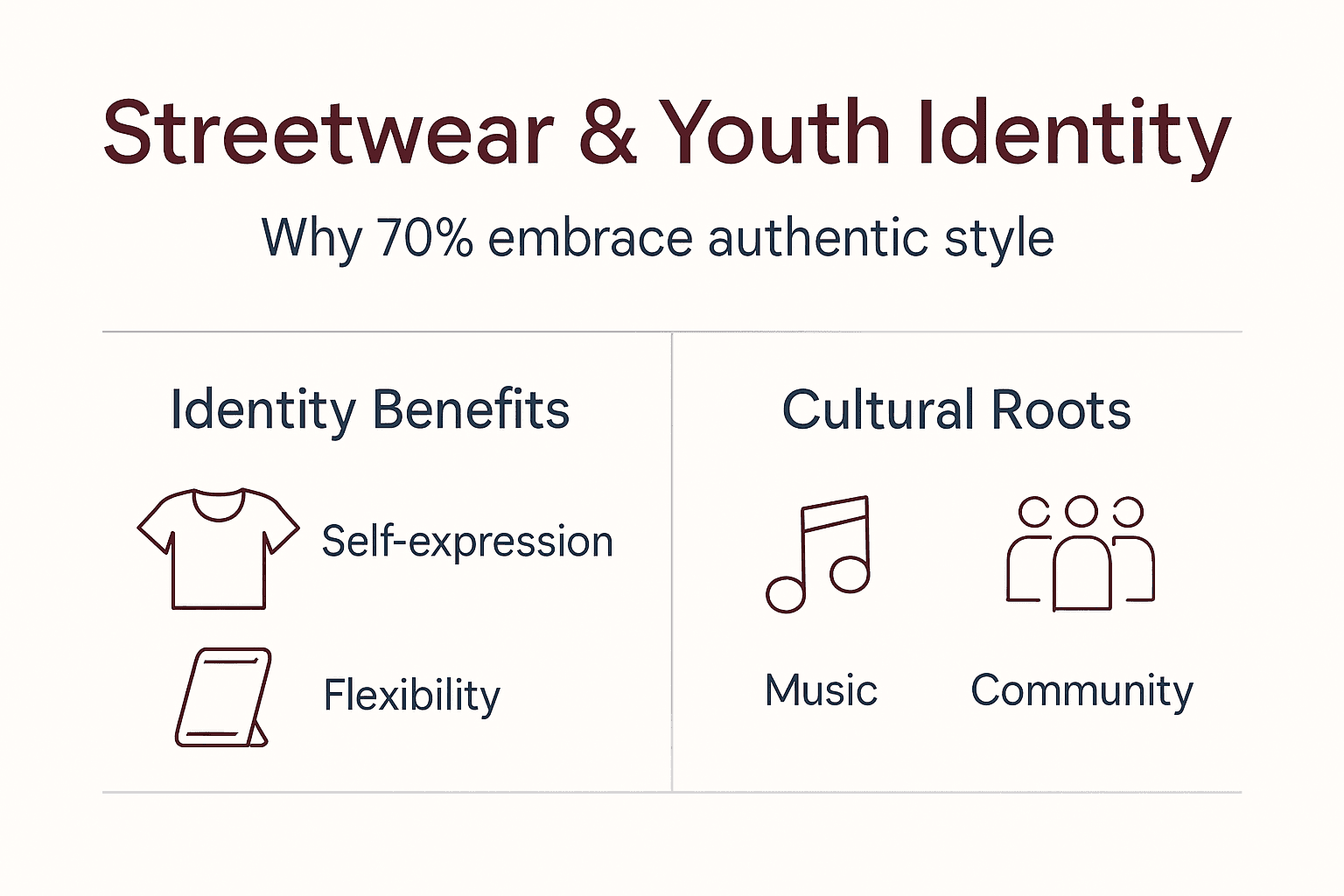
Over 70% of young people see streetwear as a way to boldly express their true selves rather than just follow trends. This isn’t about chasing fleeting fashion moments. It’s about building identity, connecting with culture, and finding community. Streetwear has evolved from underground urban roots into a global movement that gives youth aged 16-30 a powerful platform for self-expression. This article unpacks the psychological, cultural, and social forces driving streetwear’s massive appeal in 2026.
Table of Contents
- Introduction To Streetwear And Youth Culture
- Why Streetwear Resonates: A Platform For Individuality
- Cultural And Historical Roots Of Streetwear
- Social Media’s Catalytic Role In Streetwear Popularity
- Economic And Social Status Signaling In Streetwear
- Streetwear As A Social And Community Connector
- Common Misconceptions About Streetwear
- Conclusion: Applying Insight To Your Streetwear Style
- Explore Premium Streetwear Collections At Blackwisp.studio
- Frequently Asked Questions
Key takeaways
| Point | Details |
|---|---|
| Identity expression | Youth use streetwear as a flexible canvas to communicate their evolving personal identities and values. |
| Cultural resonance | Deep roots in hip-hop and skateboarding provide authenticity that connects youth to meaningful urban heritage. |
| Social media amplification | Instagram and TikTok accelerate trend discovery and foster tight-knit communities around shared fashion narratives. |
| Economic accessibility | Streetwear balances affordability with premium aspirations, functioning as both accessible fashion and status symbol. |
| Community building | Brand affiliations and style choices create micro-communities that offer belonging and cultural pride. |
Introduction to streetwear and youth culture
Streetwear fuses casual, urban, and premium fashion into a distinct style category. It emerged from 1980s underground movements where skateboarders, hip-hop artists, and graffiti creators wore functional clothing that reflected their lifestyle. Today, it’s a $185 billion global industry that resonates most powerfully with youth aged 16-30 worldwide.
What makes streetwear unique is its foundation in authentic cultural expression. Unlike traditional fashion dictated by seasonal runways, streetwear origins trace back to real communities solving real needs. A skateboard crew needed durable pants. Hip-hop artists wanted bold graphics that announced their presence. These practical beginnings created fashion with built-in meaning.
Streetwear’s roots in hip-hop, skateboarding, and urban culture provide resonance that appeals to youth seeking authenticity. The style evolved through several key phases:
- Early 1980s: Underground urban youth create functional fashion for skateboarding and street sports
- 1990s: Hip-hop culture elevates streetwear into mainstream consciousness through music videos and artist endorsements
- 2000s: Limited edition drops and collaboration culture establish streetwear’s premium positioning
- 2010s-2026: Social media globalizes streetwear, making it accessible while maintaining cultural cachet
This evolution transformed streetwear from niche subculture to dominant youth fashion language. The appeal crosses borders because the core values resonate universally: authenticity, community, and individual expression.
Why streetwear resonates: a platform for individuality
Youth gravitate toward streetwear because it offers psychological freedom that traditional fashion can’t match. A suit or formal dress comes with rigid social expectations. Streetwear invites experimentation. You can layer a vintage band tee with a premium hoodie and statement sneakers, creating a look that’s entirely yours.
72% of youth say streetwear helps express their identity, according to recent research. This isn’t superficial. Your clothing choices communicate values, affiliations, and aspirations before you speak a word. Streetwear’s versatility supports this communication across multiple contexts.
The psychological appeal of streetwear operates on several levels:
- Flexible identity construction: Mix and match pieces to reflect different aspects of personality
- Social confidence: Wearing culturally resonant styles validates your place within youth culture
- Creative control: Curate your own aesthetic rather than accepting prescribed fashion rules
- Authenticity signaling: Show alignment with subcultures and values that matter to you
Streetwear also accommodates identity evolution. A 16-year-old exploring personal style can experiment with bold graphics. By 25, they might favor minimalist premium pieces. The category grows with you, unlike rigid fashion systems that demand total wardrobe overhauls.
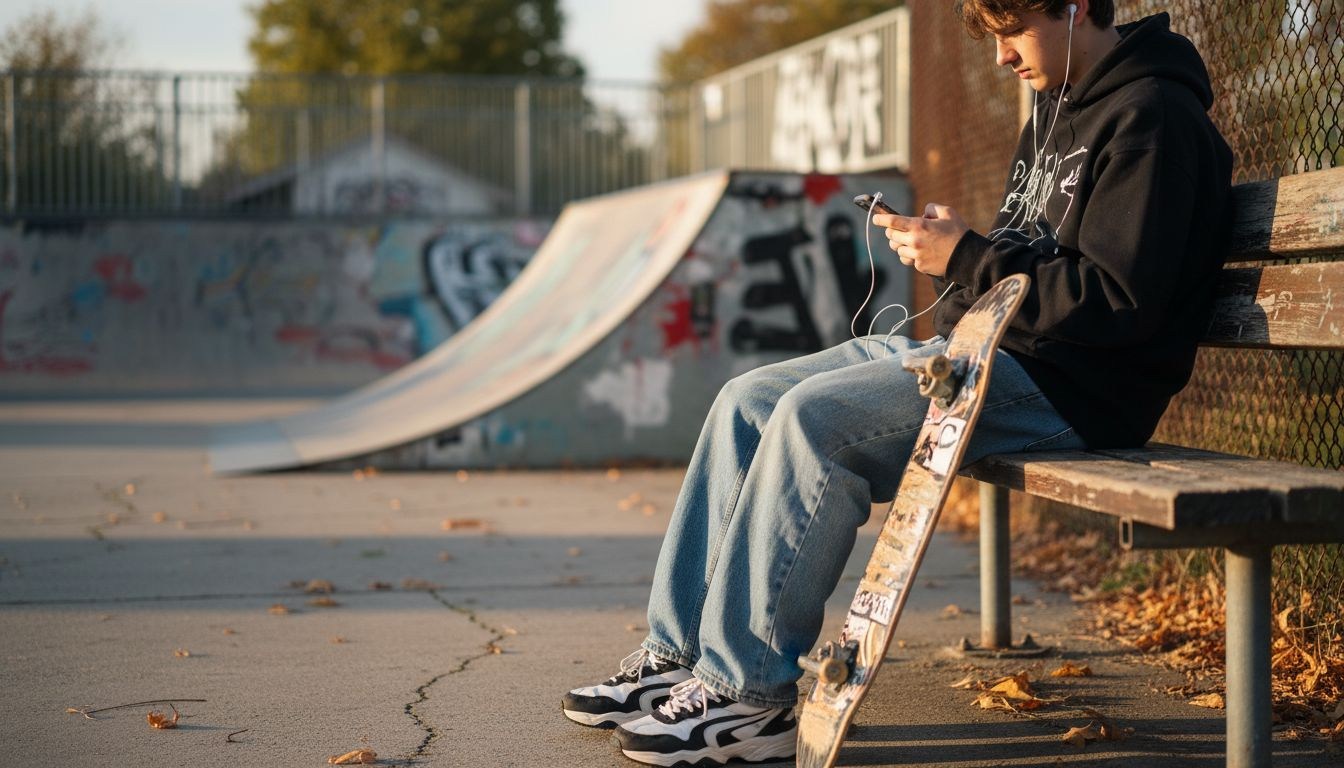
Pro Tip: Build your signature streetwear style by selecting 2-3 anchor pieces (like a quality hoodie or distinctive sneakers) that represent your core identity, then rotate complementary items around them. This creates consistency while allowing creative flexibility.
Cultural and historical roots of streetwear
Streetwear’s cultural foundation separates it from conventional fashion. When Shawn Stussy started screen-printing surfboards in the early 1980s, he wasn’t thinking about runway shows. He was serving a community. That grassroots authenticity still defines streetwear today.
Hip-hop culture particularly shaped streetwear’s trajectory. Artists like Run-DMC made Adidas Superstars iconic. Brands like FUBU (For Us, By Us) explicitly connected fashion to Black cultural pride. 70% of youth engaging in streetwear link it to urban cultural origins like hip-hop and skateboarding.
This cultural heritage creates several key advantages:
- Built-in narrative: Each piece connects to larger stories about resistance, creativity, and community
- Intergenerational appeal: Parents who lived through hip-hop’s golden age understand the cultural weight
- Cross-cultural bridges: Urban culture themes resonate globally, transcending geographic boundaries
- Artistic legitimacy: Collaborations with musicians and artists elevate streetwear beyond mere commerce
The blending of luxury and casual also traces to cultural hybridity. When high fashion houses like Louis Vuitton partnered with streetwear brands like Supreme, they validated what youth already knew: streetwear carries cultural capital.
| Cultural Influence | Youth Adoption Rate | Primary Appeal Factor |
|---|---|---|
| Hip-hop heritage | 70% | Authentic urban storytelling and musical connection |
| Skateboarding roots | 58% | Rebellious creativity and functional design |
| Luxury collaborations | 65% | Status elevation and artistic validation |
| Graffiti/street art | 52% | Visual boldness and underground credibility |
These cultural touchpoints aren’t abstract history. They’re active forces shaping what youth buy, wear, and value in 2026. Understanding this context helps you make informed choices that align with streetwear’s authentic spirit.
Social media’s catalytic role in streetwear popularity
Instagram and TikTok didn’t create streetwear, but they supercharged its reach. A limited edition sneaker drop in Tokyo can trend globally within hours. Influencers showcase outfit combinations that inspire millions of youth to experiment with their own style. Social platforms transformed streetwear from localized subculture to synchronized global movement.
Social media strongly influences youth buying behavior and streetwear adoption patterns. The mechanisms are straightforward but powerful. You see a friend’s fit pic get 500 likes. You notice a micro-influencer styling a hoodie three different ways. These signals shape your perception of what’s desirable and achievable.
Platforms accelerate streetwear culture through several pathways:
- Rapid trend cycles: Styles move from underground to mainstream in weeks, not years
- Peer validation: Likes, comments, and shares provide immediate social feedback on outfit choices
- Community formation: Hashtags and groups connect dispersed youth around shared fashion interests
- Direct brand access: Drop announcements and restocks reach followers instantly, democratizing access
The algorithmic nature of these platforms also matters. When you engage with streetwear content, you get served more streetwear content. This creates self-reinforcing loops that deepen your connection to the culture. You’re not just consuming fashion, you’re participating in ongoing conversations about style, identity, and belonging.
Virtual communities on Discord, Reddit, and specialized forums extend beyond casual scrolling. Members share release calendars, legit-check suspicious items, and discuss the cultural significance of collaborations. These spaces foster expertise and genuine relationships.
Pro Tip: Follow 5-10 streetwear creators who align with your aesthetic vision, but also engage with smaller community groups where you can ask questions and share your own style evolution. Authentic connections beat passive consumption.
Economic and social status signaling in streetwear
Streetwear occupies a fascinating economic position. You can build a respectable streetwear wardrobe for a few hundred dollars with basics from accessible brands. Or you can drop thousands on limited Supreme box logos and Off-White collaborations. This range makes streetwear simultaneously democratic and aspirational.
Streetwear serves as both an affordable fashion choice and an aspirational social status symbol among youth. The dual nature is intentional. Brands create tiered offerings: general releases anyone can buy, and hyper-limited drops that signal insider status.
Youth navigate this economic landscape strategically. A 19-year-old might pair affordable basics with one statement piece (rare sneakers or a coveted jacket) to signal cultural knowledge without breaking the budget. This mixing demonstrates sophistication, showing you understand streetwear’s hierarchies.
| Fashion Category | Average Entry Price | Social Status Signal | Accessibility |
|---|---|---|---|
| Streetwear basics | $50-150 | Cultural awareness | High |
| Premium streetwear | $200-800 | Insider knowledge | Medium |
| Limited collaborations | $500-3000+ | Elite status | Low |
| High fashion | $1000-10000+ | Wealth exclusivity | Very low |
The status mechanics differ from traditional luxury. A $5,000 handbag signals wealth. A $1,200 pair of Travis Scott Jordan 1s signals cultural capital: you knew about the drop, entered the raffle, and got lucky. That story matters more than the price tag.
Youth also leverage resale markets strategically. Buying a hyped item at retail and reselling it funds future purchases. This creates an ecosystem where fashion serves as both expression and informal economy. The economic dimension adds depth to streetwear participation beyond simple consumption.
Streetwear as a social and community connector
Wearing the same brand as someone else creates instant recognition. You spot another person in a rare Palace hoodie and exchange knowing nods. That silent communication builds micro-connections throughout daily life. Streetwear functions as tribal signaling, marking you as part of something larger.
Youth widely report social belonging and community through streetwear affiliation. These aren’t superficial connections. Shared fashion language indicates shared values: appreciation for design, respect for cultural roots, commitment to authenticity. When you align around these principles, friendships form naturally.
Brand affiliations create distinct micro-communities. Supreme devotees have different vibes than Palace fans, who differ from The Hundreds loyalists. These tribes overlap and intersect, allowing you to navigate multiple communities simultaneously. Your wardrobe becomes a social passport.
The psychosocial benefits extend beyond mere belonging:
- Increased confidence: Wearing culturally resonant styles provides psychological armor for social situations
- Cultural pride: Connecting to streetwear’s urban roots validates your identity and heritage
- Creative validation: Community feedback encourages ongoing style experimentation and growth
- Mentorship opportunities: Experienced streetwear heads guide newcomers, strengthening intergenerational bonds
Community manifests in tangible ways. Sneaker conventions bring thousands together to buy, sell, and celebrate. Local meetups organized through social media create real-world connections. Brand pop-ups become cultural events where youth camp overnight, bonding through shared anticipation.
Online groups serve different functions. Some focus on buying advice and legit checks. Others emphasize styling inspiration and outfit feedback. Still others dive deep into streetwear history and cultural analysis. You can participate at whatever level matches your interest and expertise.
Common misconceptions about streetwear
Streetwear faces persistent misunderstandings, especially from those outside youth culture. Critics dismiss it as rebellious phase fashion or expensive hype with no substance. These perspectives miss streetwear’s cultural depth and enduring influence on global fashion.
Most youth associate streetwear with creativity and community, not rebellion. Let’s address three major myths with evidence:
-
Myth: Streetwear is just a fleeting trend that will fade like other fashion fads. Reality: Streetwear has maintained cultural relevance for over 40 years, continuously evolving while preserving core values. Major luxury houses now permanently integrate streetwear elements, signaling its establishment as enduring category rather than temporary trend. The culture’s foundation in authentic community needs ensures longevity.
-
Myth: Streetwear is low-status fashion for youth who can’t afford better. Reality: Premium streetwear commands higher resale values than many luxury items, with some pieces appreciating 300-500% above retail. Wealthy celebrities and fashion insiders actively participate in streetwear culture. The status comes from cultural knowledge and insider access, not just price tags. This makes streetwear arguably more exclusive than traditional luxury.
-
Myth: Streetwear lacks creativity, relying on simple logos and basic designs. Reality: Leading streetwear brands collaborate with renowned artists, musicians, and designers to create innovative pieces. The culture encourages DIY customization and personal interpretation. Youth streetwear enthusiasts often demonstrate sophisticated understanding of color theory, silhouette balance, and cultural references that rival professional stylists. The creative expression happens in curation and styling, not just individual garments.
These misconceptions persist because mainstream fashion criticism often applies traditional luxury standards to streetwear. That’s like judging hip-hop by classical music rules. Different cultural contexts require different evaluation frameworks. Understanding streetwear on its own terms reveals the sophistication critics miss.
Conclusion: applying insight to your streetwear style
You now understand why 70% of youth embrace streetwear: it provides unmatched platforms for identity expression, connects to meaningful cultural heritage, leverages social media for community building, balances economic accessibility with status signaling, and fosters genuine belonging. These aren’t separate factors. They’re interconnected forces that make streetwear the defining fashion movement for youth in 2026.
Apply these insights to your own style journey. Start by identifying which cultural elements resonate most deeply with your identity. Are you drawn to hip-hop’s bold graphics or skateboarding’s functional minimalism? Build your wardrobe around those authentic connections rather than chasing every trend.
Engage actively with streetwear communities, both online and offline. Share your fits, ask for feedback, and learn from those with more experience. The culture rewards participation and generosity. Your contributions strengthen the ecosystem that gives streetwear meaning beyond commerce. Most importantly, remember that streetwear exists to amplify your voice, not drown it out. Use the cultural tools and community support to express your true self confidently.
Explore premium streetwear collections at BlackWisp.Studio
Ready to build your authentic streetwear identity? BlackWisp.Studio offers curated premium collections that honor streetwear’s cultural roots while supporting your individual expression. Whether you’re building your first streetwear wardrobe or expanding an established rotation, our WispyBasics, Classics, and Premium lines provide versatile foundations.
Explore bold hoodies, statement tees, and essential lifestyle accessories that complete your look. Each piece reflects the quality craftsmanship and cultural awareness that makes streetwear matter to youth globally. Shop with confidence knowing you’re investing in authentic style that grows with your identity.
Frequently asked questions
Why do youth prefer streetwear over traditional fashion?
Streetwear offers fluid identity expression that traditional fashion’s rigid categories can’t match. You can mix vintage finds with premium pieces to create looks that reflect your evolving personality across different social contexts. The cultural roots in hip-hop and skateboarding provide authentic narratives that resonate more deeply than runway-dictated trends. Strong peer validation through social media and real-world communities reinforces these preferences, creating self-sustaining cultural momentum.
How does social media influence youth streetwear choices?
Instagram and TikTok accelerate trend discovery by exposing you to global styles within seconds of their emergence. Influencers and friends shape your preferences through curated content that demonstrates styling possibilities and cultural context. You see immediate social feedback on outfit posts, which guides future purchasing decisions. Online communities foster ongoing engagement by providing spaces to discuss releases, share styling advice, and build relationships around shared fashion interests.
What are some misconceptions about streetwear?
Many assume streetwear is purely rebellious, but youth actually value its creative expression and community building more than any anti-establishment messaging. Critics call it a fleeting trend, yet streetwear has maintained cultural relevance for over 40 years and now influences luxury fashion permanently. Some dismiss it as low-status fashion, ignoring that premium streetwear pieces often command higher resale values and cultural cachet than traditional luxury items. These misunderstandings stem from applying conventional fashion standards to a culture that operates by different rules.
How can I start building an authentic streetwear wardrobe?
Start with 2-3 quality foundation pieces that reflect your genuine interests rather than chasing hype. A well-made hoodie, versatile sneakers, and quality basics provide the canvas for experimentation. Engage with communities to learn about brands that align with your values and aesthetic preferences. Mix accessible pieces with occasional statement items to develop your signature style gradually. Authenticity comes from understanding streetwear’s cultural context and expressing your true self, not from owning the most expensive or hyped items.