

Many people think streetwear is just oversized hoodies and graphic tees, but that’s missing the entire picture. Streetwear is a powerful cultural movement that shapes how young people worldwide express identity, build community, and communicate their values. This article explores streetwear’s deep roots, its transformative role in youth culture, and how sustainability and inclusivity are driving its evolution in 2026.
Table of Contents
- Origins And Cultural Roots Of Streetwear
- Streetwear’s Role In Youth Identity And Self-Expression
- Social Media And Digital Influence On Streetwear
- Sustainability And Ethical Practices In Streetwear
- Inclusivity And Gender-Fluidity In Streetwear
- Streetwear And Premium Apparel Brands
- Common Misconceptions About Streetwear
- Implications For Consumers And Brands
- Explore Premium Streetwear Collections At Blackwisp Studio
Key takeaways
| Point | Details |
|---|---|
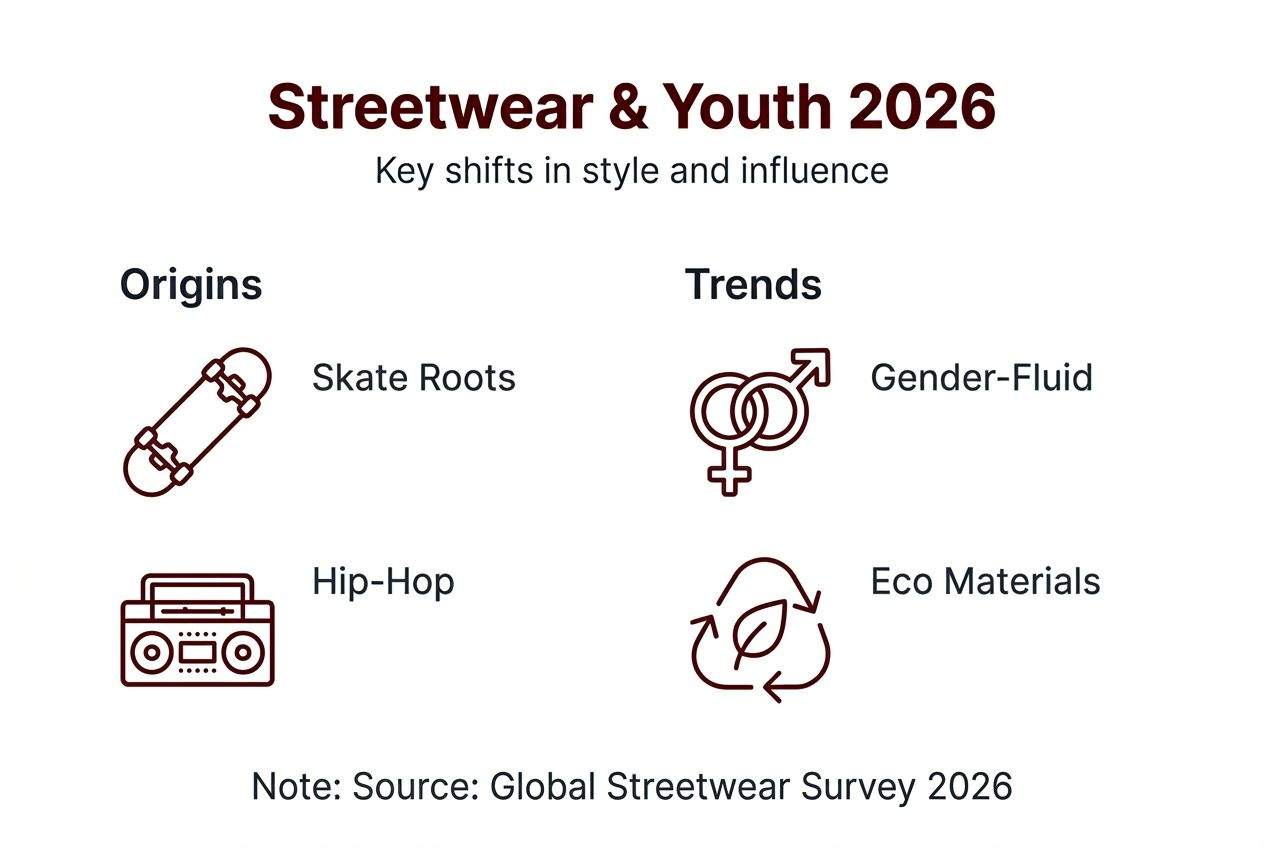
| Cultural origins | Streetwear originated in the 1970s-80s from skateboarding and hip-hop, emphasizing authenticity and rebellion. |
| Youth identity | Fashion-forward youth use streetwear as a primary medium for self-expression and cultural storytelling globally. |
| Digital acceleration | Social media platforms enable instant trend sharing and build borderless streetwear communities worldwide. |
| Sustainability focus | Gen Z prioritizes eco-friendly materials and ethical sourcing, driving brand loyalty and industry change. |
| Inclusivity trend | Gender-fluid silhouettes dominate 2026, expanding streetwear’s appeal and challenging traditional fashion norms. |
Origins and cultural roots of streetwear
Streetweardidnt appear overnight. Its roots trace back to the 1970s and 1980s when skateboarding and hip-hop cultures collided in urban environments. These communities rejected mainstream fashion’s rigidity and created something authentic and rebellious. DIY graphics, baggy silhouettes, and sneaker culture became symbols of creative freedom.
Unlike high fashion’s exclusive runway shows and seasonal collections, streetwear thrived in neighborhoods and skate parks. The origin of streetwear culture was grassroots, built by youth who wanted clothing that reflected their lived experiences. Brands like Supreme and Stüssy started small, producing limited runs that felt personal rather than mass-produced.
What made streetwear revolutionary was its democratization of style. You didn’t need wealth or status to participate. The culture valued creativity and authenticity over price tags. This contrast with streetwear vs high fashion became stark as streetwear grew from underground movements into a global phenomenon that why streetwear is global explains in detail.
Key elements that defined early streetwear:
- Bold graphics and logos that communicated brand identity instantly
- Oversized fits that prioritized comfort and movement over formal tailoring
- Limited edition releases creating scarcity and cultural value
- Community-driven design influenced by music, art, and sports subcultures
This foundation still influences how streetwear operates today, even as it reaches luxury markets and digital spaces.
Streetwear’s role in youth identity and self-expression
For young people today, clothing choices communicate far more than aesthetic preferences. Streetwear has become a visual language for identity, values, and belonging. The oversized hoodie or limited-edition sneaker tells a story about who you are and what matters to you.
Research shows that Gen Z drives streetwear culture by prioritizing comfort, uniqueness, and authenticity. More than 60% of Gen Z consumers integrate streetwear into their daily wardrobe, using fashion as a primary tool for self-expression. This isn’t superficial; it’s deeply personal.

Streetwearprovides a platform for marginalized voices. LGBTQ+ youth, people of color, and other communities historically excluded from mainstream fashion find space in streetwear culture to celebrate their identities. Graphic tees featuring social justice messages or brands founded by underrepresented creators become acts of cultural empowerment.
The connection between youth embrace streetwear identity and authentic self-presentation is undeniable. Unlike corporate fashion that dictates trends from above, streetwear lets youth shape their own narratives. Understanding why streetwear appeals to youth identity reveals how this cultural movement empowers individual expression.
Core ways streetwear enables youth expression:
- Cultural storytelling through bold graphics reflecting heritage, music, and art
- Community belonging signaled by shared brand loyalty and style codes
- Political and social messaging embedded in clothing designs and brand values
- Personal creativity expressed through mixing pieces and styling choices
Streetwearis no longer just clothing. It’s a declaration of identity in a world where young people seek authentic ways to stand out and connect. The relationship between streetwear and urban identity demonstrates this cultural depth.
Social media and digital influence on streetwear
Digital platforms transformed how streetwear culture spreads and evolves. What once required physical presence in specific cities now happens instantly across continents. Instagram, TikTok, and Discord connect streetwear enthusiasts worldwide, creating a truly global community.
The speed of trend circulation accelerates cultural dialogue worldwide through these platforms. A sneaker drop in Tokyo gets photographed, shared, and discussed by collectors in London and New York within minutes. This real-time exchange creates collaborative innovation as regional styles influence each other.
Digital fashion and NFTs create new frontiers for ownership and expression. Virtual streetwear allows youth to express style in digital spaces like gaming platforms and metaverse environments. Some collectors now value digital pieces as much as physical garments.
Social media democratized streetwear influence too. You don’t need celebrity status or industry connections to shape trends. Micro-influencers with authentic style and engaged communities drive conversations about global streetwear trends as effectively as major brands.
How digital platforms reshape streetwear:
- Instagram and TikTok enable instant trend discovery and style inspiration globally
- Discord and Reddit build niche communities around specific brands and aesthetics
- Virtual fashion platforms extend streetwear into gaming and digital identity spaces
- Social commerce integrates shopping directly into content discovery and engagement
The streetwear trends 2026 landscape is impossible to understand without recognizing digital culture’s central role. Technology doesn’t just spread streetwear; it fundamentally shapes how youth experience and participate in the culture.
Sustainability and ethical practices in streetwear
Environmental consciousness is no longer optional in streetwear. Young consumers demand transparency about materials, production processes, and brand values. This shift is reshaping the entire industry from manufacturing to marketing.
Gen Z prioritizes eco-friendly materials and ethical sourcing when making purchases. Brands that ignore sustainability risk losing this generation’s loyalty. The data is clear: youth consumers research brand practices and vote with their wallets.
Sustainable brands using organic cotton and recycled fabrics see rising loyalty among young shoppers. Circular fashion models like clothing repair programs, resale platforms, and take-back initiatives are becoming competitive advantages rather than niche offerings.
Transparency builds trust. Brands that openly share factory locations, material sourcing, and environmental impact reports connect more deeply with conscious consumers. The sustainable streetwear movement proves that ethical production and premium quality can coexist.
Key sustainability practices gaining traction:
- Organic and recycled materials reducing environmental footprint
- Local production minimizing carbon emissions from transportation
- Transparent supply chains allowing consumers to verify ethical practices
- Circular models encouraging resale, repair, and recycling
Pro Tip: Look for third-party certifications like GOTS or Fair Trade when shopping for ethical streetwear. These verify claims and help you support genuinely sustainable brands.
The connection between global streetwear trends 2026 and environmental values shows that sustainability isn’t a passing trend. It’s a fundamental shift in how youth culture approaches consumption and brand relationships.
Inclusivity and gender-fluidity in streetwear
Fashion boundaries are dissolving. Streetwear leads this transformation by embracing gender-fluid design and inclusive sizing that reflects how young people actually want to dress.
Data shows that 2026 marks significant shifts toward gender-fluid silhouettes globally. Unisex collections are no longer niche offerings but central product lines for major streetwear brands. Oversized fits, neutral color palettes, and versatile designs appeal across gender identities.
This shift challenges decades of fashion industry norms that separated men’s and women’s clothing into rigid categories. Streetwear’s comfort-first philosophy naturally supports gender-neutral design. Why should a hoodie or cargo pants be gendered when functionality and style transcend those labels?
The global streetwear trends 2026 landscape shows inclusivity expanding beyond gender to body types, cultural backgrounds, and personal style preferences. Brands that celebrate diversity in their campaigns and product ranges build stronger connections with youth consumers.
| Feature | Traditional Gendered Fashion | Gender-Fluid Streetwear |
|---|---|---|
| Fit philosophy | Tailored, body-conforming silhouettes | Oversized, relaxed fits for all bodies |
| Color palette | Pink/pastels vs. dark/neutral splits | Neutral tones, bold graphics for everyone |
| Marketing approach | Separate men’s and women’s campaigns | Inclusive campaigns featuring diverse models |
| Sizing systems | Gender-specific size charts | Unisex sizing with detailed measurements |
| Design language | Emphasizes gender distinctions | Focuses on personal expression and comfort |
Young consumers appreciate brands that respect their autonomy to dress how they want. The rise of gender-neutral men’s streetwear 2026 collections shows that inclusivity expands markets rather than limiting them. When you design for everyone, everyone benefits.
Streetwear and premium apparel brands
The line between streetwear and luxury fashion has blurred dramatically. High-end fashion houses now actively collaborate with streetwear brands, creating hybrid products that merge cultural authenticity with premium craftsmanship.
Luxury fashion brands teaming with streetwear labels have reshaped premium fashion for youth consumers. Collaborations like Gucci partnering with Off-White or Louis Vuitton working with Supreme demonstrate how established luxury brands recognize streetwear’s cultural capital.
This fusion creates interesting tensions. Streetwear’s roots in accessibility and rebellion seem contradictory to luxury fashion’s exclusivity and tradition. Yet the partnerships work because they combine streetwear’s cultural relevance with premium materials and construction quality.
Younger consumers value this hybrid approach. They want pieces that tell cultural stories but also offer durability and craftsmanship. Premium streetwear bridges these desires, offering apparel that feels authentic to youth culture while delivering luxury-level quality.
How premium collaborations reshape fashion:
- Cultural credibility from streetwear brands legitimizes luxury houses with youth markets
- Premium materials and construction elevate streetwear beyond fast fashion perceptions
- Limited releases maintain scarcity value central to both streetwear and luxury models
- Cross-pollination introduces each audience to new aesthetic possibilities
The streetwear vs high fashion debate becomes less relevant as boundaries dissolve. Today’s youth consumers don’t see contradiction in mixing a vintage Supreme hoodie with designer accessories. They create personal style by blending cultural references across price points and fashion categories.
Common misconceptions about streetwear
Misunderstandings about streetwear prevent many people from appreciating its cultural depth and social impact. Let’s clear up the most persistent myths.
-
Streetwear is just casual clothing for rebels. Reality: Streetwear is a complex cultural movement encompassing art, music, social values, and community building. The streetwear cultural impact extends far beyond clothing aesthetics into how youth communicate identity and belonging globally.
-
Streetwear promotes fast fashion and disposability. Reality: The sustainability movement within streetwear actively combats throwaway culture. Many brands now prioritize sustainable streetwear practices using organic materials, ethical production, and circular models that emphasize quality over quantity.
-
Streetwear excludes gender diversity and reinforces traditional norms. Reality: Modern streetwear leads fashion’s gender-fluid revolution. Unisex collections and inclusive sizing challenge rigid gender categories that dominated fashion for decades. The 2026 landscape shows streetwear actively expanding representation.
These misconceptions often stem from superficial observations that miss streetwear’s foundational values. The culture has always centered authenticity, creativity, and community over mainstream fashion industry conventions.
Pro Tip: Avoid judging streetwear by its most commercial or visible elements. Explore its cultural and ethical dimensions to understand why it resonates so deeply with global youth.
Recognizing these realities helps brands, parents, and consumers engage more authentically with streetwear culture. It’s not a phase or trend but a sustained movement shaping how multiple generations express identity through fashion.
Implications for consumers and brands
Understanding streetwear culture isn’t just academic. It has practical implications for how you shop, what you support, and how brands connect with youth markets.
For consumers, authenticity matters most. Choose pieces that align with your actual values and identity rather than chasing hype. The best streetwear purchases reflect who you are, not who Instagram tells you to be. Support brands committed to sustainable streetwear practices that match your environmental values.
Digital innovation offers new ways to engage with fashion. Explore NFTs and virtual fashion if you’re active in gaming or digital communities. Follow global streetwear trends 2026 to discover emerging styles before they hit mainstream markets. Social media connects you with communities that share your aesthetic interests.
For brands, youth values must drive strategy. Performative sustainability or diversity initiatives get exposed quickly. Genuine commitment to inclusivity, transparency, and ethical production builds lasting loyalty. Partner with creators who authentically represent the communities you serve.
Practical steps for authentic engagement:
- Research brand values and production practices before purchasing
- Invest in quality pieces that last rather than chasing every trend
- Support independent creators and small brands driving cultural innovation
- Engage with digital communities to discover new perspectives and styles
Pro Tip: Premium streetwear pieces that blend cultural meaning with quality craftsmanship offer better long-term value than fast fashion alternatives. Buy less, choose better.
The streetwear landscape rewards authenticity and punishes pretense. Whether you’re shopping or building a brand, genuine engagement with culture and community creates the strongest connections.
Explore premium streetwear collections at BlackWisp Studio
Ready to express your authentic identity through premium streetwear? BlackWisp Studio curates collections designed for fashion-forward youth who value quality, sustainability, and cultural expression.
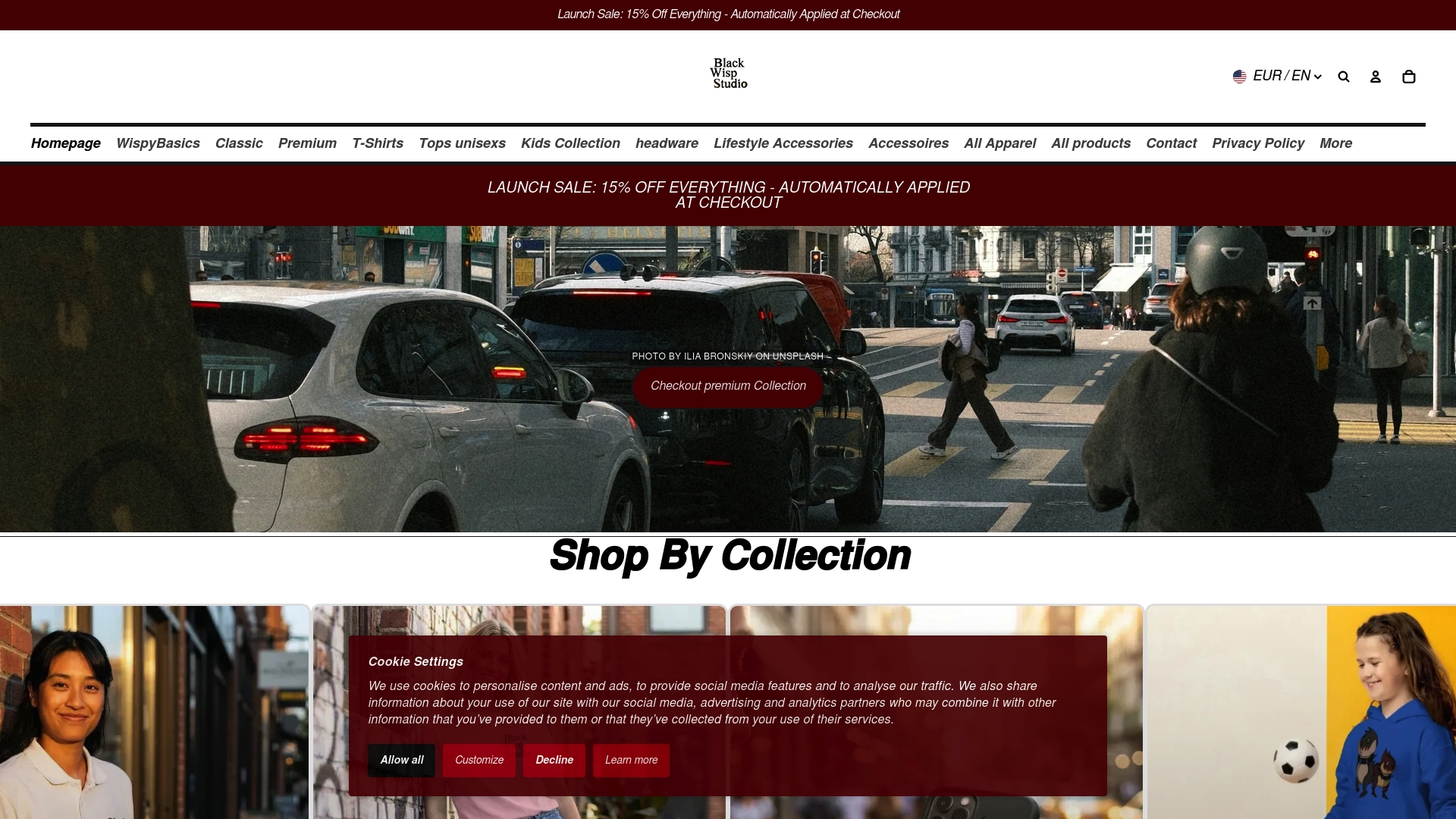
Our organic mid-weight hoodie combines eco-friendly materials with bold design, perfect for making statements while supporting sustainable fashion. The represent demon zip-hoodie delivers premium comfort with graphics that reflect streetwear’s artistic roots.
Beyond apparel, explore our lifestyle accessories that complete your look. Every piece in our collection embodies the values this article explored: authenticity, quality, sustainability, and cultural relevance. Shop collections that let you wear your identity proudly.
FAQ
What defines streetwear culture beyond fashion?
Streetwear is a cultural movement emphasizing identity, community, and social values rather than just clothing trends. It provides youth globally with tools for self-expression, political messaging, and belonging. The culture values authenticity and creativity over mainstream fashion industry conventions.
How does sustainability affect streetwear brands?
Sustainability drives youth loyalty to brands using ethical materials and transparent production processes. Gen Z consumers actively research brand practices and prefer companies demonstrating genuine environmental commitment. Sustainable practices have become key differentiators for premium streetwear labels competing for conscious consumers.
What role does gender inclusivity play in modern streetwear?
Streetwear embraces gender-fluid silhouettes and unisex collections reflecting broad youth acceptance of diverse identities. These trends challenge traditional fashion norms that separated clothing into rigid gender categories. Inclusivity expands streetwear’s appeal and creates more authentic connections with young consumers who value personal expression over prescribed gender roles.
How can digital innovation enhance streetwear culture?
Digital platforms enable global trend sharing and connect diverse youth communities in real time. Virtual fashion and NFTs offer new ways to own and express streetwear digitally in gaming and metaverse environments. Social media democratizes influence, allowing anyone with authentic style to shape conversations and drive innovation regardless of industry connections or celebrity status.
Recommended
- Streetwear Trends in 2026: What’s Defining Urban Style – BlackWisp.Studio
- Global Streetwear Trends 2026: Shaping Urban Identity – BlackWisp.Studio
- Why 70% of youth embrace streetwear for authentic identity – BlackWisp.Studio
- Why Streetwear Appeals to 65% of Youth: Identity & Style – BlackWisp.Studio