

Choosing streetwear styles can feel overwhelming when you’re faced with countless aesthetics claiming authenticity. Understanding the core types and what makes each one distinct empowers you to build a wardrobe that genuinely reflects your identity and lifestyle. This guide breaks down five major streetwear styles, the criteria that define them, and how to match each type to your personal needs.
Table of Contents
- Understanding Streetwear: Key Selection Criteria
- Skatewear Style
- Hip-Hop Streetwear
- Luxury Streetwear
- Athleisure Streetwear
- Techwear Style
- Regional Influences On Streetwear Styles
- Summary Comparison And Situational Picks
- Explore Premium Streetwear Collections At BlackWisp.Studio
- FAQ
Key takeaways
| Point | Details |
|---|---|
| Selection criteria matter | Cultural authenticity, material quality, brand reputation, price, and design innovation guide informed streetwear choices. |
| Five core styles exist | Skatewear, hip-hop, luxury, athleisure, and techwear each serve different functions and cultural expressions. |
| Regional culture shapes style | Japanese minimalism contrasts sharply with American boldness, influencing global streetwear trends. |
| Functionality drives choices | Active lifestyles suit skatewear and athleisure, while exclusivity seekers prefer luxury and techwear options. |
| Authentic curation wins | Matching style to your identity and daily activities creates a wardrobe that feels natural and confident. |
Understanding streetwear: key selection criteria
Before diving into specific styles, you need a framework to evaluate what makes one streetwear type right for you. Cultural authenticity sits at the foundation because streetwear originated from subcultures like skateboarding and hip-hop. Styles that honor these roots feel more legitimate and connect you to a broader community.
Material quality and craftsmanship directly impact how long your pieces last and how they feel during wear. Premium fabrics resist fading and maintain shape better than cheap alternatives. Brand reputation matters because established names signal credibility within streetwear circles and often guarantee consistent quality standards.
Price ranks below exclusivity and innovation in importance. Paying more doesn’t always mean better style fit. Innovative design influences how trend-relevant and unique your wardrobe appears. Fresh cuts, unexpected materials, and bold graphics set leaders apart from followers.
Over 70% of streetwear consumers prioritize personal identity and exclusivity when selecting styles. This data shows that alignment with your values and lifestyle trumps blindly following trends. Using these criteria helps you filter options and invest in pieces that genuinely represent who you are.
Pro Tip: Start by identifying which cultural roots resonate most with your interests. If you skate or value active urban mobility, skatewear criteria will guide you better than luxury exclusivity metrics.
Key criteria to evaluate:
- Cultural authenticity and subcultural connection
- Material durability and comfort during wear
- Brand heritage and community recognition
- Price relative to quality and exclusivity
- Design innovation and trend leadership
Skatewear style
Skatewear emerged directly from skate culture and remains one of streetwear’s most accessible and functional types. Loose fits dominate because they allow full range of motion for tricks and urban movement. Durable fabrics like heavyweight cotton, denim, and canvas withstand repeated falls and abrasion from grip tape.
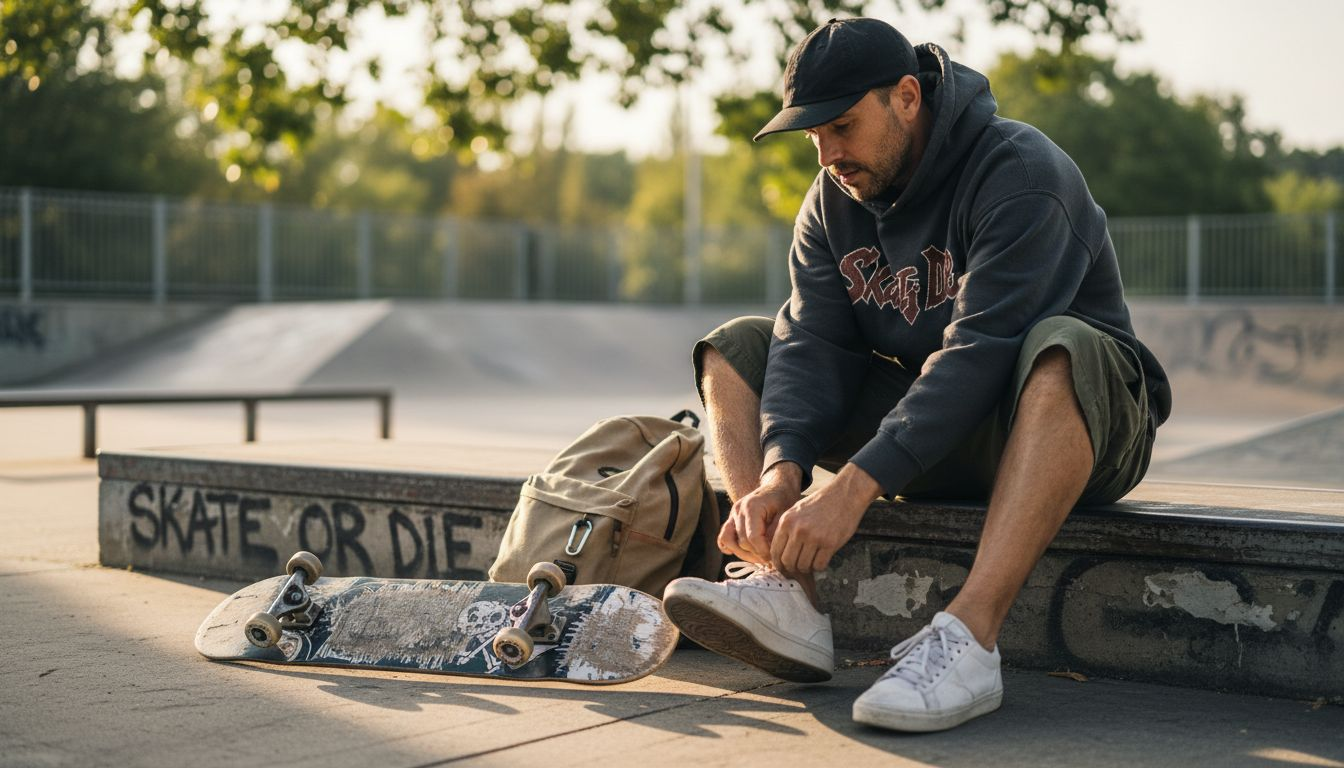
Comfort and mobility rank as top priorities. Elastic waistbands, reinforced stitching at stress points, and breathable materials keep you comfortable during long sessions. Brands like Vans, Thrasher, and Supreme built their reputations by serving actual skaters before mainstream adoption.
Graphic tees featuring skate graphics, oversized hoodies, and signature skate shoes form the core wardrobe. Skatewear typically falls into the affordable to mid-range price bracket, making it accessible for young adults starting their skatewear and urban identity journey. This accessibility explains its widespread popularity beyond just skateboarders.
Best suited for casual, active individuals who value practicality over status. If you commute by bike, spend time outdoors, or simply prefer clothes that move with you, skatewear delivers. The aesthetic communicates laid-back confidence without trying too hard.
Pro Tip: Invest in quality skate shoes even if you don’t skate. Their reinforced construction and cushioned soles provide all-day comfort that regular sneakers can’t match.
Core skatewear elements:
- Loose fits for unrestricted movement
- Durable canvas and denim construction
- Graphic tees with skate brand logos
- Signature skate shoes with reinforced toe caps
- Affordable to mid-range pricing
Hip-hop streetwear
Hip-hop streetwear channels the bold, expressive energy of 1980s urban music culture. Baggy silhouettes dominated early hip-hop fashion and remain influential today, though modern interpretations often balance oversized tops with tapered bottoms. Attention-grabbing logos and brand names serve as visual statements of identity and success.
Bright colors, metallic accents, and statement pieces distinguish this style from more subdued options. Accessories play a crucial role: snapback caps, chunky chains, oversized sunglasses, and branded jewelry complete the look. This maximalist approach reflects hip-hop’s celebration of self-expression and achievement.
The style ties directly to music culture, making it ideal for those who identify strongly with hip-hop, rap, or urban music scenes. Wearing hip-hop streetwear signals cultural affiliation and appreciation for the genre’s history and influence on hip-hop streetwear and music culture worldwide.
Price ranges vary dramatically. Entry-level brands offer affordable options, while premium labels and limited collaborations command high prices. This flexibility lets you participate at any budget level while still expressing the core aesthetic.
Hip-hop streetwear works best when you’re confident making bold visual statements. If you prefer blending in or minimalist aesthetics, other styles might suit you better. This type demands presence and willingness to stand out.
Key hip-hop streetwear traits:
- Baggy or oversized silhouettes
- Bold logos and brand-heavy designs
- Bright colors and metallic details
- Statement accessories like chains and caps
- Strong ties to music culture and identity
Luxury streetwear
Luxury streetwear represents the collision of street aesthetics with high-fashion craftsmanship and exclusivity. This fusion emerged as designers recognized streetwear’s cultural influence and consumers sought premium versions of casual styles. Brands like Off-White, Balenciaga, and Fear of God pioneered this space.
Premium materials define luxury streetwear. Expect Italian leather, Japanese selvedge denim, merino wool, and technical fabrics engineered for performance and longevity. Meticulous construction includes hand-finished details, reinforced seams, and quality hardware that mass-market pieces skip.
Prices run three to five times higher than standard streetwear. A basic luxury hoodie might cost $500-800 compared to $50-150 for skatewear equivalents. This premium reflects material costs, limited production runs, and brand positioning.
“Luxury streetwear isn’t about showing off. It’s about owning pieces with stories, craftsmanship, and exclusivity that mass production can’t replicate.”
Popular among collectors who value rarity and investment potential. Limited-edition drops sell out instantly and often appreciate on resale markets. Designer collaborations between luxury houses and streetwear brands create highly coveted pieces that blur traditional fashion boundaries.
Best for consumers seeking status symbols and unique statement pieces. If you prioritize exclusivity, appreciate fine craftsmanship, and have budget flexibility, luxury streetwear offers unmatched quality and cultural cachet. The luxury streetwear and high fashion relationship continues evolving as boundaries between categories dissolve.
How to approach luxury streetwear:
- Research brands and their heritage before buying
- Focus on versatile pieces that work across outfits
- Monitor resale values for investment potential
- Prioritize quality over quantity in your collection
- Verify authenticity through authorized retailers
Luxury streetwear characteristics:
- Premium materials and expert construction
- Limited production and exclusive releases
- High price points reflecting rarity
- Strong resale market and collector appeal
- Designer collaborations and innovation
Athleisure streetwear
Athleisure seamlessly blends athletic wear’s technical benefits with streetwear’s style-forward aesthetics. This category exploded in popularity because it solves a real problem: looking good while staying comfortable during active days. Athleisure currently accounts for over 35% of the global streetwear market share due to its blend of comfort and style.
Technical fabrics form the foundation. Moisture-wicking materials, four-way stretch, and breathable mesh panels keep you comfortable from gym to street. Modern athleisure pieces look nothing like traditional workout gear, incorporating sleek cuts, minimal branding, and neutral color palettes.
Versatility defines athleisure’s appeal. Joggers pair equally well with sneakers for errands or dressed up with boots for casual dining. Hoodies transition from workout warmup to everyday outerwear without looking out of place. This flexibility maximizes value per piece.
Perfect for active lifestyles that demand both function and style. If you commute by bike, hit the gym regularly, or simply value all-day comfort, athleisure delivers. The aesthetic communicates health-consciousness and modern lifestyle priorities without sacrificing urban edge.
Major sportswear brands like Nike, Adidas, and Lululemon dominate this space, but streetwear labels increasingly offer athleisure lines. Price points range from affordable mass-market options to premium technical pieces. The athleisure market growth shows no signs of slowing as consumers prioritize comfort.
Athleisure essentials:
- Moisture-wicking and stretchy fabrics
- Sporty silhouettes with street style edge
- Versatile pieces for multiple settings
- Technical features like hidden pockets
- Mass-market to premium price range
Techwear style
Techwear pushes streetwear into futuristic, highly functional territory. This style prioritizes utility and performance through modular designs, weather-resistant fabrics, and innovative construction techniques. Think tactical gear meets urban fashion with a cyberpunk aesthetic.
Modular components let you customize your outfit based on conditions. Detachable pockets, adjustable straps, and convertible pieces adapt to different situations. Multiple utility pockets accommodate phones, wallets, keys, and gadgets without bulk. This problem-solving approach appeals to tech-savvy urbanites.
Weather-resistant and durable fabrics protect against rain, wind, and wear. Gore-Tex, ripstop nylon, and waterproof zippers ensure functionality in harsh conditions. Despite technical performance, techwear maintains a sleek, minimalist appearance that avoids looking overly tactical.
Favored by digital natives and urban subcultures seeking futuristic aesthetics. The style communicates forward-thinking values and appreciation for design innovation. Japanese streetwear culture heavily influences techwear through minimalist color palettes and attention to functional details.
Pricing sits at premium levels due to technical fabrics and specialized construction. Entry-level techwear pieces start around $150-200, while full outfits from brands like Acronym or Stone Island can exceed $2000. This investment reflects genuine performance benefits beyond aesthetics.
Best suited for those who value functionality and innovation as much as style. If you live in variable climates, carry multiple devices, or appreciate cutting-edge design, techwear and urban innovation offers unmatched utility. Understanding regional streetwear influences helps appreciate techwear’s Japanese minimalist roots.
Techwear defining features:
- Modular and convertible design elements
- Weather-resistant technical fabrics
- Multiple utility pockets and storage
- Futuristic minimalist aesthetic
- Premium pricing reflecting innovation
Regional influences on streetwear styles
Geography and cultural heritage shape streetwear aesthetics more than many realize. Regionally, Japanese streetwear emphasizes minimalism and techwear influences, while American streetwear showcases bolder hip-hop and skatewear elements. These differences reflect deeper cultural values around expression, conformity, and status.
Japanese streetwear leans toward understated elegance, neutral colors, and technical innovation. Brands like A Bathing Ape and Neighborhood blend traditional craftsmanship with modern cuts. The aesthetic values quality over flash, subtlety over loudness. This approach connects to broader Japanese design philosophy emphasizing function and refinement.
American streetwear favors bold graphics, oversized fits, and cultural statements. Hip-hop and skate culture’s influence remains strong, celebrating individualism and rebellion. Brands embrace bright colors, attention-grabbing logos, and pieces that demand notice. This reflects American cultural values around self-expression and standing out.
European streetwear often splits the difference, incorporating luxury fashion influences with street credibility. Cities like London, Paris, and Berlin each developed distinct local scenes that blend high fashion sensibility with subcultural edge. Understanding streetwear cultural origins reveals how location shapes aesthetic choices.
Over 60% of style differentiation between regions stems from local cultural identity and music scenes. Recognizing these patterns helps you understand why certain styles resonate more in specific markets. Global diffusion means elements cross borders, but regional flavors persist.
| Region | Style emphasis | Key characteristics | Cultural drivers |
|---|---|---|---|
| Japan | Minimalism, techwear | Neutral colors, technical fabrics, subtle branding | Craftsmanship values, tech culture |
| United States | Hip-hop, skatewear | Bold graphics, oversized fits, bright colors | Music culture, individualism |
| Europe | Luxury fusion | High-fashion meets street, tailored fits | Fashion heritage, urban diversity |
Summary comparison and situational picks
Choosing the right streetwear style depends on matching characteristics to your lifestyle, budget, and identity priorities. This comparison synthesizes the key differences to guide your decision.
| Style | Price range | Primary function | Cultural tie | Best for |
|---|---|---|---|---|
| Skatewear | $50-150 | Mobility, durability | Skate culture | Active urban lifestyles |
| Hip-hop | $60-300+ | Bold expression | Music culture | Cultural identity statements |
| Luxury | $300-2000+ | Exclusivity, status | High fashion | Collectors, exclusivity seekers |
| Athleisure | $50-200 | Comfort, versatility | Fitness culture | Active, multi-setting days |
| Techwear | $150-2000+ | Weather protection, utility | Tech innovation | Functionality, futurism lovers |
For active urban lifestyles involving skating, biking, or outdoor commuting, skatewear and athleisure deliver unbeatable functionality. Both prioritize movement and durability while maintaining street credibility. Skatewear offers more subcultural authenticity, while athleisure provides broader versatility.
To express music and cultural identity strongly, hip-hop streetwear makes the boldest statement. The aesthetic immediately communicates your cultural affiliations and willingness to stand out. This choice works best when you’re confident in your style and comfortable with attention.
Exclusivity and innovation seekers should explore luxury streetwear and techwear. Luxury offers status and investment potential through limited releases and premium materials. Techwear provides cutting-edge functionality and futuristic aesthetics. Both require higher budgets but deliver unique value.
Balancing exclusivity versus accessibility matters when curating streetwear wardrobe pieces. Start with affordable core items in your preferred style, then add premium pieces as accent statements. This approach builds authentic style without overextending your budget.
Pro Tip: Mix styles strategically rather than committing to one category. Pair luxury statement pieces with affordable basics, or blend techwear functionality with skatewear aesthetics for unique personal style.
Practical selection guidelines:
- Match functionality to your daily activities and climate
- Choose cultural ties that genuinely resonate with your identity
- Set realistic budgets and prioritize versatile pieces first
- Consider long-term durability versus trendy quick purchases
- Build gradually rather than buying entire wardrobes at once
Explore premium streetwear collections at BlackWisp.Studio
Ready to build your streetwear wardrobe with pieces that match your style criteria? BlackWisp.Studio curates premium selections spanning the styles discussed here, from versatile basics to statement pieces. Our collections emphasize quality craftsmanship and authentic street culture roots.
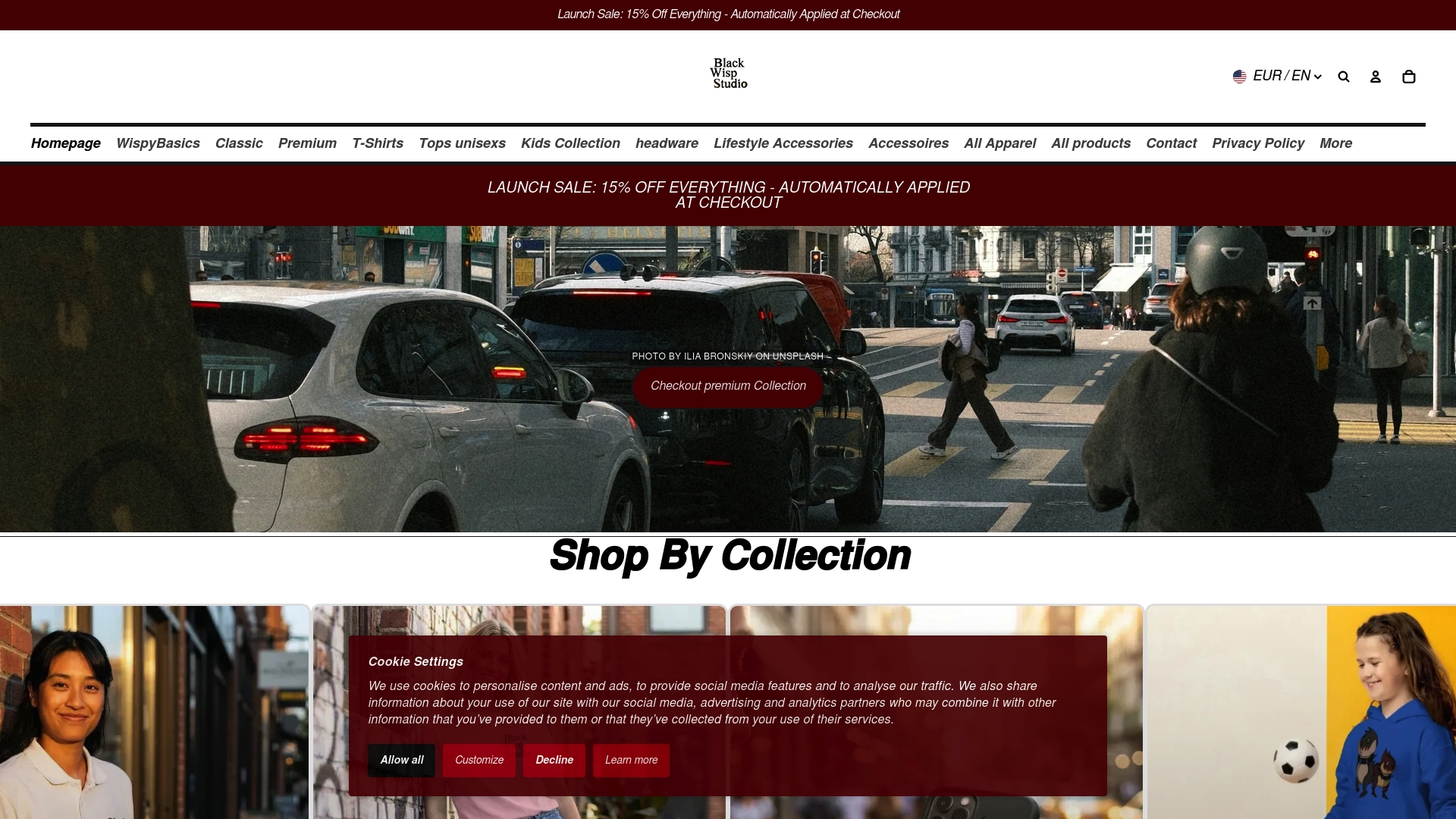
Discover lifestyle accessories that complete your look with functional style. Explore our premium T-shirts featuring bold graphics and quality fabrics built to last. Check out distinctive streetwear headwear options that add the finishing touch to any outfit. Each collection reflects the criteria and authenticity principles outlined in this guide, helping you curate a wardrobe that genuinely represents your urban identity.
FAQ
What are the main types of streetwear?
Five major types dominate: skatewear, hip-hop, luxury, athleisure, and techwear. Skatewear prioritizes durability and movement for active lifestyles. Hip-hop streetwear features bold graphics and cultural statements. Luxury streetwear combines high-fashion craftsmanship with street aesthetics. Athleisure blends athletic functionality with everyday style. Techwear emphasizes technical fabrics and futuristic utility.
How do regional cultures influence streetwear styles?
Regional culture deeply shapes stylistic details and brand popularity. Japanese streetwear emphasizes minimalism and techwear; American styles favor bold hip-hop and skatewear. These differences reflect broader cultural values around expression, status, and design philosophy. Over 60% of style variation between regions stems from local cultural identity and music scenes.
Which streetwear style best suits an active lifestyle?
Skatewear and athleisure prioritize comfort, durability, and freedom of movement. Both use breathable, flexible fabrics that withstand daily wear and activity. Skatewear connects to skate and urban culture, while athleisure bridges athletic and casual settings. Either choice works excellently for urban commuters, skateboarders, cyclists, and fitness enthusiasts who value both function and style.
Why is luxury streetwear more expensive?
Luxury streetwear uses premium materials like Italian leather and Japanese denim combined with expert craftsmanship. Limited production runs create scarcity and exclusivity that mass-market brands can’t replicate. Designer collaborations between high-fashion houses and streetwear labels command premium prices. These pieces often appreciate on resale markets, adding investment value beyond immediate wear.
How can I build an authentic streetwear wardrobe?
Start with styles reflecting your genuine identity and daily lifestyle needs. Focus on quality pieces with cultural relevance rather than chasing every trend. Invest in versatile basics first, then add statement pieces as accents. Mix price points strategically, pairing affordable cores with premium highlights. Follow our authentic streetwear wardrobe guide for detailed curation strategies that match your priorities and budget.