

Streetwear is often misunderstood as just hype brands and bold logos. In reality, it represents a rich cultural movement born from skateboarding, hip-hop, and graffiti art. This guide unpacks streetwear’s origins, cultural significance, evolution, and how you can engage authentically with this dynamic urban style in 2026.
Table of Contents
- Definition And Origins Of Streetwear Culture
- Cultural And Stylistic Elements Defining Streetwear
- Authenticity And Community In Streetwear
- Current Trends And Future Directions In Streetwear
- Common Misconceptions About Streetwear
- Conceptual Framework For Understanding Streetwear Culture
- Practical Guide To Engaging With Streetwear Culture
- Explore Premium Streetwear With BlackWisp.Studio
- What Is Streetwear Culture FAQ
Key takeaways
| Point | Details |
|---|---|
| Origins and influences | Streetwear emerged from 1970s-80s urban youth culture blending skateboarding, hip-hop, and graffiti art. |
| Authenticity matters most | Community acceptance and brand trust stem from genuine cultural connection, not marketing hype alone. |
| 2026 style evolution | Modern streetwear merges retro aesthetics with sustainable tech fabrics and oversized silhouettes. |
| Cultural ecosystem | Streetwear operates as a layered system from subcultural roots to brand authenticity and innovation. |
| Choosing premium pieces | Prioritize cultural roots, craftsmanship quality, sustainability, and authentic community engagement. |
Definition and origins of streetwear culture
Streetwear began in the 1970s-80s urban youth scenes with skateboarding, hip-hop, and graffiti art as a form of self-expression. Young people in cities like New York and Los Angeles created a distinct style that reflected their daily lives and cultural influences. What started as niche subculture exploded into mainstream fashion by the mid-2010s, eventually infiltrating luxury runways.
Music played a pivotal role in shaping streetwear’s identity. Hip-hop artists wore oversized jerseys and bold sneakers, while punk rockers favored distressed denim and graphic tees. These musical movements provided the attitude and visual language that defined early streetwear aesthetics.
Understanding the origin of streetwear culture reveals why it transcends mere clothing trends. It represents urban lifestyle, community belonging, and personal identity. The evolution of streetwear shows how subcultures gained global recognition while maintaining core values.
Key characteristics of early streetwear include:
- Limited production runs creating exclusivity and community bonding
- DIY graphics and custom designs expressing individual creativity
- Functional pieces suited for skateboarding or street activities
- Cross-pollination between music, art, and fashion scenes
- Rejection of mainstream fashion norms and corporate aesthetics
This foundation explains why authenticity remains central to streetwear culture today. Brands that ignore these roots often fail to gain community acceptance, regardless of marketing budgets or celebrity endorsements.
Cultural and stylistic elements defining streetwear
Music genres such as hip-hop and punk have historically influenced streetwear’s evolution by shaping graphic prints, silhouettes, and attitude. Hip-hop brought oversized fits, bold logos, and athletic wear into everyday fashion. Punk contributed rebellious graphics, distressed fabrics, and anti-establishment messaging that resonates with youth seeking identity outside conventional norms.
Streetweear values individuality while fostering community belonging. You express personal style through curated pieces while signaling membership in a broader cultural movement. This balance between standing out and fitting in defines the streetwear paradox that makes it compelling.
Core stylistic elements remain consistent across eras. Graphic tees communicate messages or showcase artistic collaborations. Hoodies provide comfort and casual sophistication. Sneakers serve as both functional footwear and collectible art. Cargo pants offer utility pockets and relaxed silhouettes that prioritize comfort over formal constraints.
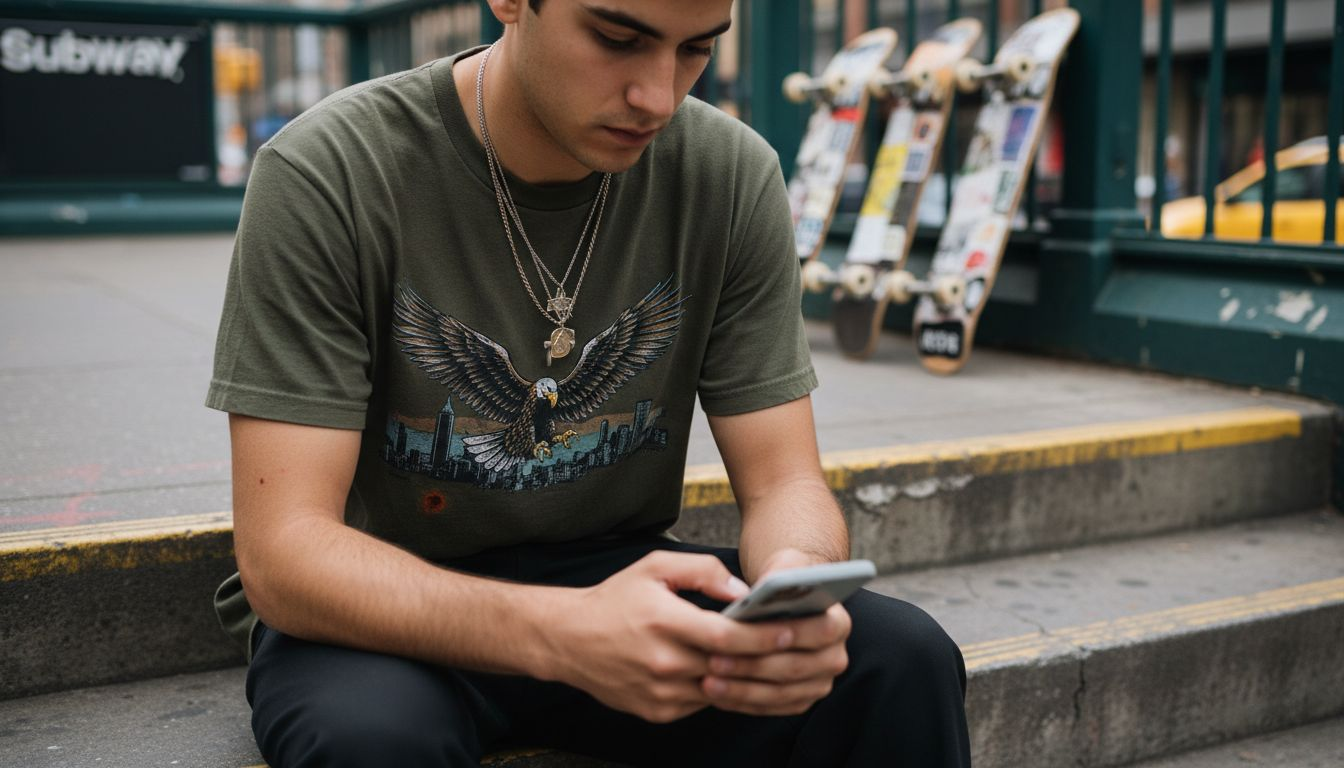
The connection between streetwear and urban identity extends beyond clothing choices. It reflects how you navigate city life, engage with art and music, and participate in community activities. The global influence of streetwear demonstrates how local scenes create worldwide trends while maintaining regional authenticity.
Essential stylistic markers include:
- Layering techniques combining multiple pieces for depth and texture
- Bold colorways or monochrome palettes making deliberate statements
- Logo placement that signals brand knowledge and community membership
- Mixing high and low fashion pieces creating unique personal aesthetics
- Accessorizing with caps, bags, and jewelry completing the look
Authenticity and community acceptance matter more than brand recognition. You gain respect by understanding cultural context, not just wearing expensive labels. This principle separates genuine participants from those chasing superficial trends.
Authenticity and community in streetwear
Authenticity is essential for community acceptance and brand longevity, with consumers preferring quality, craftsmanship, and sustainable production. Community members quickly identify and reject brands lacking genuine cultural connection. You build credibility through consistent quality, transparent practices, and meaningful engagement rather than flashy marketing campaigns.
Streetwear brands leverage storytelling, limited drops, and collaborations to build trust and community loyalty. Limited edition releases create excitement while preventing overproduction and maintaining exclusivity. Collaborations between brands, artists, and musicians generate fresh perspectives that keep the culture evolving.
Consumers in 2026 prioritize sustainability alongside style. You want pieces that last beyond one season and align with environmental values. Brands incorporating eco-friendly materials and ethical manufacturing gain competitive advantages in an increasingly conscious market.
The streetwear community appeal stems from shared values and mutual respect. Online forums, Instagram communities, and local meetups foster connections between enthusiasts. These networks exchange styling tips, discuss releases, and authenticate pieces, creating support systems beyond commercial transactions.
Community-driven authenticity markers:
- Transparent supply chains showing production processes and material sources
- Founder stories connecting personal experiences to brand missions
- Consistent quality control maintaining standards across product lines
- Active community engagement through events, collaborations, and social media
- Cultural respect avoiding appropriation while celebrating diverse influences
Pro Tip: Research a brand’s history and community reputation before purchasing. Genuine streetwear brands have documented stories, engaged followers, and consistent quality that speaks for itself.
Authenticity sustains brands through trend cycles and economic shifts. When you support authentic brands, you invest in cultural preservation and community growth, not just temporary fashion statements.
Current trends and future directions in streetwear
2026 trends include oversized silhouettes, bright camo, cargo styles, techwear, and increased use of sustainable and tech fabrics. Oversized fits dominate, offering comfort and dramatic visual impact. Bright camouflage patterns reimagine military aesthetics with vibrant colors that stand out in urban environments.
Techwear represents the fusion of function and futurism. Technical fabrics offer weather resistance, breathability, and durability while maintaining sleek aesthetics. Modular designs with removable components let you adapt outfits to different situations and weather conditions.
Sustainability drives material innovation in 2026. Recycled polyester, organic cotton, and biodegradable synthetics reduce environmental impact without sacrificing performance. Brands investing in 2026 streetwear fabric trends gain favor with environmentally conscious consumers.
Current style directions blend retro and contemporary elements. Y2K aesthetics return with modern twists, while 90s minimalism influences clean, understated designs. This cyclical nature keeps streetwear fresh while honoring historical roots.
| Trend Category | Key Features | Cultural Impact |
|---|---|---|
| Oversized silhouettes | Loose fits, dropped shoulders, elongated proportions | Challenges traditional body standards, prioritizes comfort |
| Techwear | Technical fabrics, modular design, utility focus | Reflects urban survival needs, futuristic aesthetics |
| Sustainable materials | Recycled fabrics, organic cotton, eco-friendly dyes | Aligns fashion with environmental responsibility |
| Retro fusion | Y2K colors, 90s minimalism, vintage graphics | Connects generations, celebrates streetwear history |
Explore 2026 streetwear trends and global streetwear trends 2026 to stay current with evolving styles. Understanding men’s streetwear 2026 helps you navigate gender-specific interpretations of broader trends.
Emerging trend indicators:
- Gender-neutral designs expanding beyond traditional categories
- Digital fashion integration with physical pieces linking to virtual assets
- Hyperlocal productions supporting regional manufacturing and reducing shipping
- Adaptive clothing incorporating accessibility features into mainstream designs
- Biomaterial experiments using mushroom leather and algae-based fabrics
Pro Tip: Invest in versatile staples that transcend seasonal trends. A quality hoodie or classic sneaker remains relevant regardless of shifting micro-trends, providing better long-term value.
Future directions point toward increased personalization and technological integration. As streetwear evolves, core values of authenticity, community, and self-expression remain constant anchors guiding innovation.
Common misconceptions about streetwear
Many people mistakenly believe streetwear equals expensive hype brands and limited edition sneakers. While exclusivity plays a role, genuine streetwear culture prioritizes creativity, community, and authentic self-expression over price tags. You can participate meaningfully without spending thousands on single items.
Another misconception treats streetwear as just graphic hoodies and logo tees. The culture encompasses diverse styles from minimalist techwear to maximalist vintage pieces. Reducing it to specific garments ignores the rich aesthetic diversity within the movement.
Some assume celebrity endorsements validate streetwear brands. However, community acceptance stems from cultural authenticity and quality craftsmanship, not famous faces. Brands building genuine connections through streetwear misconceptions education outlast those relying solely on celebrity marketing.
The belief that streetwear lacks sophistication or artistic merit persists among traditional fashion circles. In reality, streetwear bridges fine art, graphic design, music, and fashion into cohesive cultural expressions. Many streetwear designers trained in prestigious art schools and bring serious creative vision to their work.
Common streetwear myths:
- Myth: Streetwear is only for young people. Reality: Enthusiasts span all ages, united by shared cultural values.
- Myth: Authentic streetwear requires rare vintage pieces. Reality: New brands honoring cultural roots contribute equally to the scene.
- Myth: Streetwear and sustainability are incompatible. Reality: Leading brands pioneer eco-friendly practices and circular fashion models.
- Myth: Streetwear is purely commercial fashion. Reality: It remains deeply connected to art movements, social commentary, and community building.
Understanding these misconceptions helps you engage more authentically with streetwear culture. You avoid superficial participation and develop genuine appreciation for the movement’s depth and complexity.
Conceptual framework for understanding streetwear culture
Streetwear culture is a layered ecosystem blending subcultural origins, community identity, authentic brand interaction, and evolving style innovation. This framework organizes the complexity into four interconnected layers that explain how streetwear functions as both fashion and cultural movement.
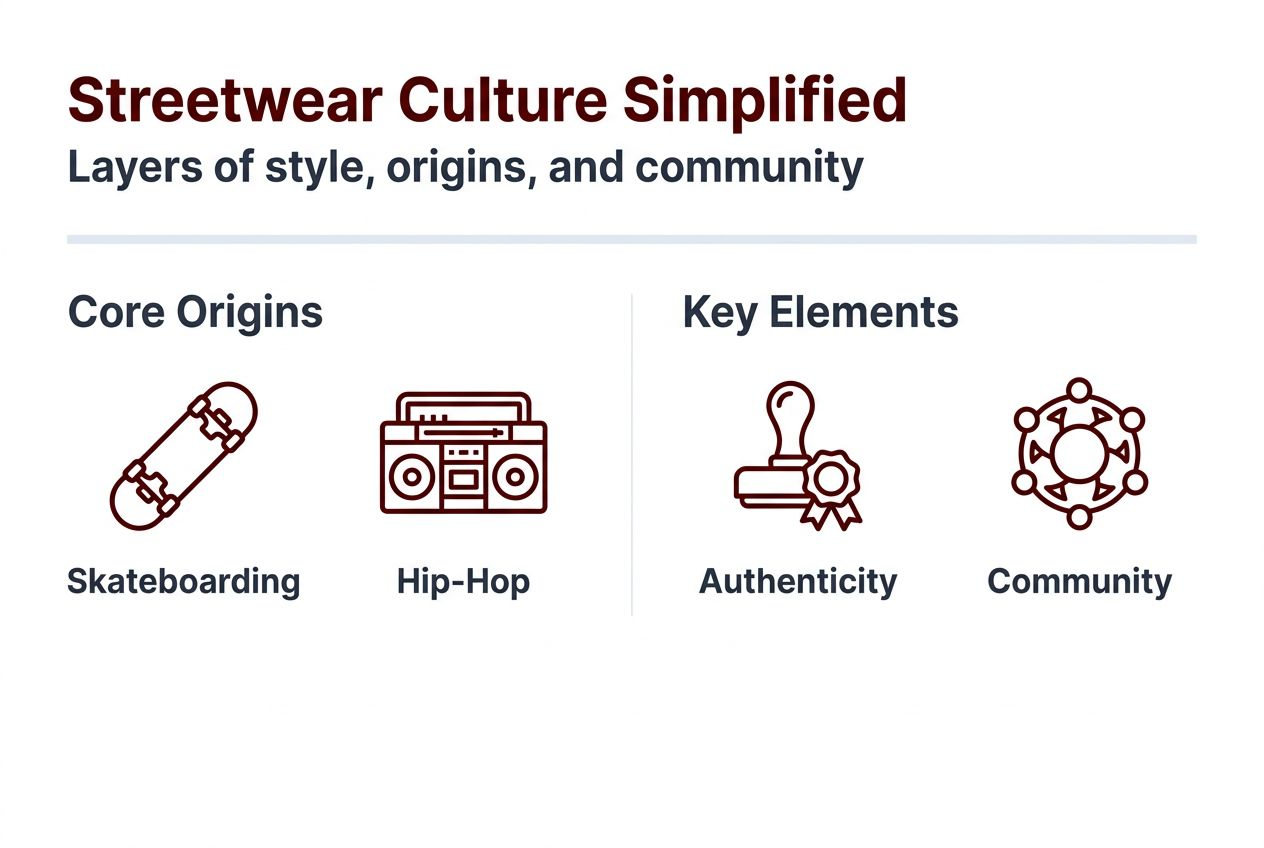
The foundation layer consists of subcultural origins rooted in skateboarding, hip-hop, punk, and graffiti. These sources provide core values, aesthetic principles, and community structures that persist today. Understanding this base explains why certain brands resonate while others feel inauthentic.
Community identity forms the second layer where individuals express belonging through style choices. You signal membership while showcasing personal interpretation. This layer creates the social dimension that transforms clothing into cultural participation.
Brand authenticity occupies the third layer where companies interact with communities. Authentic brands contribute to culture through storytelling, quality products, and genuine engagement. Inauthentic brands extract value through appropriation and exploitation, eventually facing community rejection.
Style innovation represents the top layer where trends emerge and evolve. New materials, silhouettes, and aesthetics develop while maintaining connection to foundational values. This layer keeps streetwear dynamic without losing cultural coherence.
| Layer | Function | Key Elements |
|---|---|---|
| Subcultural origins | Provides foundational values and aesthetics | Skateboarding, hip-hop, punk, graffiti influences |
| Community identity | Creates social belonging through shared style | Personal expression, group membership, cultural signaling |
| Brand authenticity | Facilitates genuine cultural participation | Quality craftsmanship, transparent practices, storytelling |
| Style innovation | Drives evolution while honoring roots | New materials, emerging trends, creative experimentation |
This streetwear cultural framework helps you evaluate brands, understand trends, and make informed choices aligned with your values. It reveals why some collaborations succeed while others fail despite similar marketing budgets.
Applying the framework:
- Assess brand origins to verify authentic cultural connection versus opportunistic trend-chasing.
- Evaluate community reception through forums, reviews, and social media engagement.
- Examine product quality, materials, and manufacturing practices for long-term value.
- Consider how new styles relate to established aesthetics and cultural narratives.
- Reflect on personal alignment between your identity and brand values before purchasing.
This structured approach empowers you to navigate streetwear culture with confidence. You make purchases supporting genuine cultural movements rather than fleeting commercial trends.
Practical guide to engaging with streetwear culture
Choose brands demonstrating genuine cultural roots and compelling origin stories. Research founder backgrounds, brand missions, and community reputations before investing. Brands with documented histories and consistent quality standards typically deliver better long-term value than hype-driven newcomers.
Prioritize quality materials, sustainable practices, and expert craftsmanship. Well-constructed pieces last years rather than months, ultimately costing less per wear. Examine stitching, fabric weight, and hardware quality to assess construction standards.
Build your wardrobe strategically combining timeless staples with trend-forward pieces. Start with versatile basics like quality hoodies, classic sneakers, and well-fitted tees. Add seasonal trend items that excite you personally rather than following every micro-trend.
Engage actively with online communities and local streetwear scenes. Follow Instagram accounts, join Discord servers, and attend pop-up events or brand launches. These connections provide styling inspiration, release information, and authentication assistance while deepening your cultural understanding.
Consider streetwear outfit tips when developing your personal aesthetic. Learn building a streetwear wardrobe strategies that balance budget constraints with style goals.
Practical engagement steps:
- Start with one or two quality staple pieces that match your lifestyle and aesthetic preferences.
- Study how experienced community members style similar items for inspiration and techniques.
- Experiment with layering, color combinations, and accessorizing to develop unique personal style.
- Document your outfits through photos to track evolution and identify successful combinations.
- Share your style journey on social platforms to connect with like-minded enthusiasts and receive feedback.
- Support emerging designers and local brands contributing authentically to streetwear culture.
- Maintain and care for pieces properly to maximize lifespan and preserve quality.
- Sell or donate items that no longer fit your evolving style rather than accumulating unused pieces.
Pro Tip: Quality over quantity always wins in streetwear. Three well-made, versatile pieces you wear regularly provide more value than ten trendy items collecting dust in your closet.
Authentic engagement means understanding cultural context, respecting community norms, and contributing positively to ongoing conversations. You become a participant rather than just a consumer, enriching both your experience and the broader culture.
Explore premium streetwear with BlackWisp.Studio
Discover curated streetwear pieces crafted with authenticity and quality at BlackWisp.Studio. Our collections honor streetwear’s cultural roots while incorporating 2026’s latest sustainable materials and trend-forward designs. Each piece balances timeless style with contemporary innovation, ensuring your wardrobe remains relevant beyond fleeting trends.
Shop streetwear wardrobe essentials perfect for building a streetwear wardrobe that reflects your unique urban identity. Explore our premium streetwear collections featuring headwear, hoodies, and graphic tees designed for those who value both style and substance. BlackWisp.Studio combines expert craftsmanship with sustainable practices, delivering pieces that respect streetwear culture while elevating your personal aesthetic.
What is streetwear culture FAQ
What distinguishes streetwear from other fashion styles?
Streetwear combines functional comfort with cultural expression rooted in urban youth movements. Unlike traditional fashion focused on formality or seasonal collections, streetwear prioritizes authenticity, community acceptance, and connections to music, art, and street culture.
How can I verify a streetwear brand’s authenticity?
Research brand origins, founder stories, and community reputation through forums and social media. Authentic brands demonstrate consistent quality, transparent practices, and genuine cultural engagement rather than relying solely on celebrity endorsements or aggressive marketing.
Which streetwear items are considered essential for beginners?
Start with versatile staples including a quality hoodie, classic sneakers, graphic tees, and well-fitted denim or cargo pants. These foundational pieces work across various styles and occasions while you develop your personal aesthetic. Check streetwear outfit tips for styling guidance.
How does sustainability impact streetwear choices?
Sustainability increasingly influences purchasing decisions as consumers prioritize eco-friendly materials and ethical manufacturing. Brands using recycled fabrics, organic cotton, and transparent supply chains gain competitive advantages while aligning fashion with environmental responsibility. Quality construction that ensures longevity also reduces waste compared to fast fashion alternatives.
Where can I connect with the streetwear community?
Join online platforms like Instagram, Reddit communities, and Discord servers dedicated to streetwear discussion. Attend local pop-up events, brand launches, and sneaker conventions to meet enthusiasts in person. These connections provide styling inspiration, release information, and authentication assistance while deepening your cultural understanding and participation.