

Standing out in major cities often means mastering the balance between authenticity and luxury. For young global trendsetters, fashion is about more than clothing—it reflects cultural roots and creative expression. Whether you chase bold, graphic streetwear inspired by skateboarding and hip-hop or crave the refined craftsmanship of high fashion from renowned brands like Chanel and Dior, understanding these styles unlocks new ways to define your personal style.
Table of Contents
- Streetwear And High Fashion Defined Clearly
- Cultural Origins And Evolution Of Both Styles
- Design Aesthetics: Comfort Vs Luxury
- Exclusivity, Accessibility, And Pricing
- Global Influence On Youth Expression
- Risks, Misconceptions, And Market Impact
Key Takeaways
| Point | Details |
|---|---|
| Intersection of Styles | Streetwear and high fashion are merging, creating hybrid designs that blend casual authenticity with refined elegance. |
| Cultural Significance | Streetwear serves as a platform for youth identity and cultural expression, influencing global fashion narratives. |
| Pricing Dynamics | Streetwear offers accessibility through moderate pricing, while high fashion maintains exclusivity with premium price points. |
| Risks of Appropriation | Cultural appropriation poses challenges within streetwear, requiring brands to balance authenticity with commercialization. |
Streetwear and high fashion defined clearly
Streetwear and high fashion represent two distinct yet increasingly interconnected fashion universes that reflect diverse cultural expressions and aesthetic philosophies. While they might seem worlds apart, contemporary fashion increasingly blends these styles, creating dynamic new forms of personal expression.
Urban origins and cultural roots define streetwear, which emerged from skateboarding and hip-hop cultures. This style prioritizes:
- Comfort and functionality
- Individual self-expression
- Casual, oversized designs
- Graphic prints and bold branding
- Affordable, accessible clothing
In contrast, high fashion traditionally represents luxury and exclusivity. Characterized by prestigious fashion houses like Chanel and Dior, this aesthetic focuses on:
- Intricate craftsmanship
- Premium fabric selections
- Complex design techniques
- Limited production runs
- Runway-driven collections
The contemporary fashion landscape reveals a fascinating convergence where streetwear’s casual authenticity meets high fashion’s refined elegance. Young designers increasingly blur traditional boundaries, creating hybrid styles that speak to a globally connected, visually sophisticated audience.
Pro tip: Understand that fashion is no longer about strict categorization, but about personal narrative and creative self-expression.
Here’s a comparison of key aspects that differentiate and connect streetwear and high fashion:
| Aspect | Streetwear Perspective | High Fashion Perspective | Intersection Today |
|---|---|---|---|
| Creative Inspiration | Urban, pop, and youth culture | Art, history, and refined aesthetics | Collaboration and mutual influence |
| Audience | Young, diverse, global | Traditional elites, fashion enthusiasts | Broader, multicultural consumers |
| Retail Experience | Drops, pop-up shops, online focus | Exclusive boutiques, fashion shows | Hybrid retail and digital events |
| Brand Storytelling | Relatable, authenticity-driven | Heritage, aspirational storytelling | Blending heritage with street themes |
Cultural origins and evolution of both styles
Streetwear has deep roots in counterculture movements, emerging from urban communities through powerful cultural expressions. This fashion style originated as a radical form of self-expression, primarily driven by marginalized youth groups in skateboarding, hip-hop, and graffiti scenes across American cities.
The key cultural influences that shaped streetwear include:
- Hip-hop music and dance cultures
- Skateboarding community aesthetics
- Underground graffiti art movements
- African American urban fashion trends
- Youth rebellion against mainstream fashion norms
High fashion’s evolution parallels streetwear’s trajectory, transitioning from exclusive runway shows to more democratized and inclusive design philosophies. Luxury brands began recognizing streetwear’s cultural significance, leading to unprecedented collaborations that blurred traditional fashion boundaries.
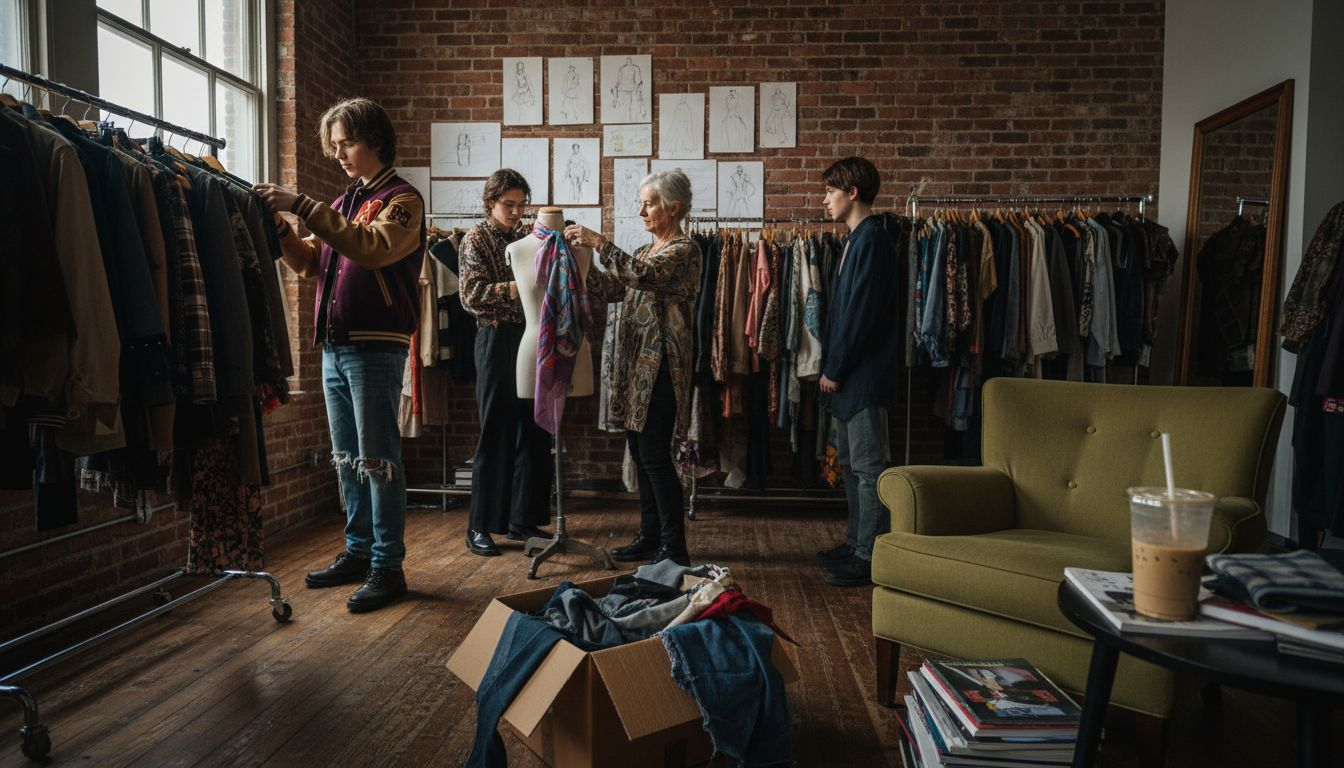
Digital platforms and social media dramatically accelerated streetwear’s global transformation. Young generations like Gen Z embraced these styles not just as clothing, but as powerful statements of identity, authenticity, and cultural belonging. The rise of limited-edition releases and collaborative drops created a new hype culture that transformed how fashion is consumed and appreciated.
Pro tip: Understanding fashion’s cultural context helps you appreciate clothing as more than just fabric—it’s a living, breathing form of personal and collective storytelling.
Design aesthetics: comfort vs luxury
Streetwear and high fashion represent two distinct design philosophies that fundamentally reimagine personal style through contrasting aesthetic approaches. Streetwear prioritizes casual comfort and individual expression, creating a visual language that celebrates everyday wearability and personal narrative.
Key characteristics of streetwear design include:
- Oversized, relaxed silhouettes
- Bold graphic prints and logos
- Emphasis on practicality and movement
- Affordable, accessible materials
- Representation of personal identity
In contrast, high fashion design focuses on:
- Intricate structural elements
- Premium, luxurious fabrics
- Artistic and avant-garde conceptualization
- Precision tailoring and craftsmanship
- Limited edition, exclusive pieces
The contemporary fashion landscape increasingly blends these aesthetic approaches, creating hybrid designs that challenge traditional boundaries. Luxury brands now incorporate streetwear’s casual elements, while streetwear designers experiment with high-end production techniques and materials.
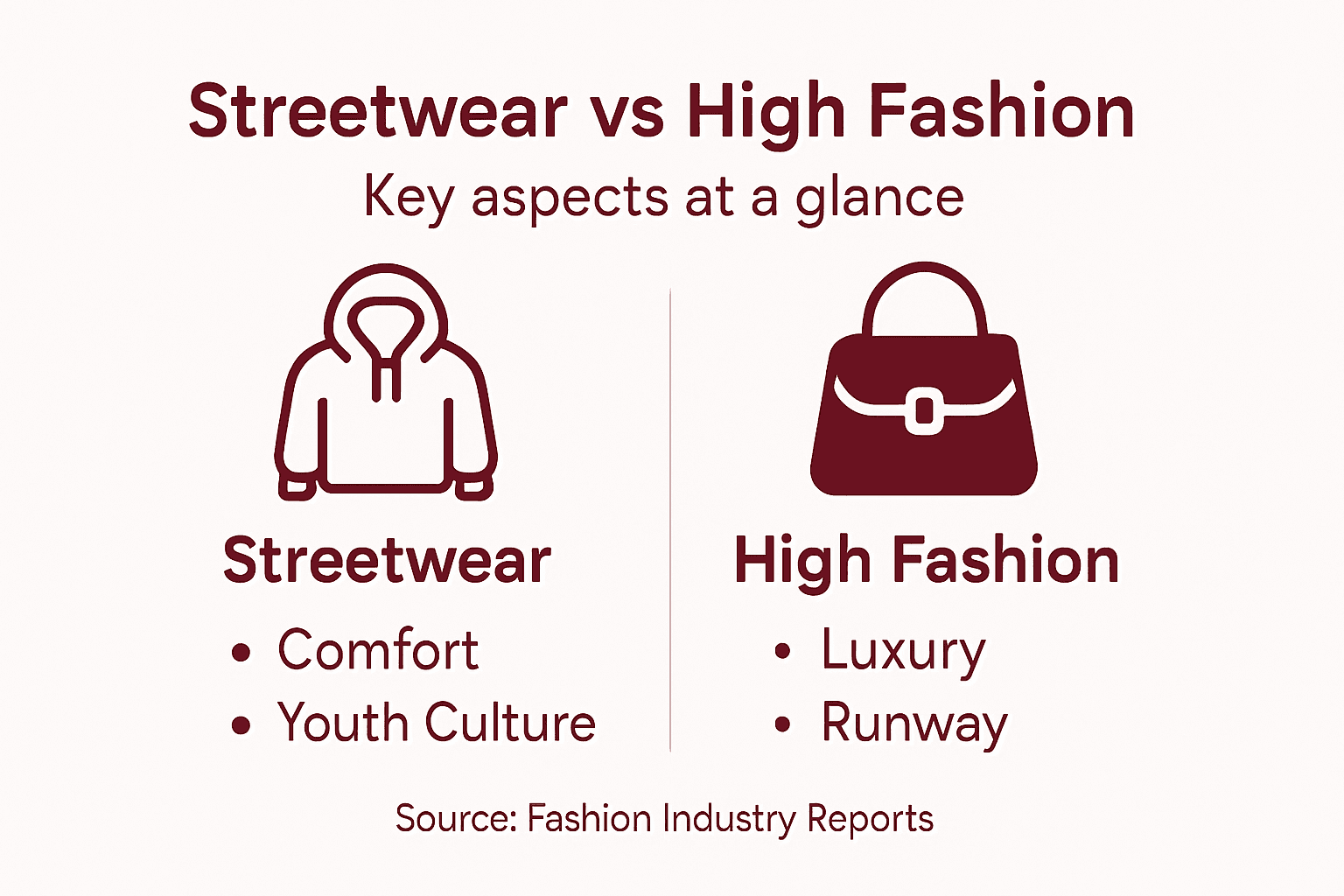
Athleisure has emerged as a powerful testament to this design convergence, transforming how we perceive the relationship between comfort and elegance. The result is a more democratic, versatile approach to personal style that celebrates individual creativity.
Pro tip: Build your wardrobe by mixing comfort-driven streetwear pieces with structured luxury items to create a unique, personalized aesthetic.
Exclusivity, accessibility, and pricing
Pricing dynamics create a fundamental distinction between streetwear and high fashion, reflecting their unique market positioning and cultural significance. Streetwear balances exclusivity with broader accessibility, creating a pricing strategy that appeals to younger consumers while maintaining brand desirability.
Streetwear pricing characteristics include:
- Moderate price points ($50-$300)
- Limited edition releases
- Frequent collaborative drops
- Scalable production volumes
- Emphasis on perceived value
In contrast, high fashion pricing features:
- Premium pricing ($500-$10,000+)
- Bespoke craftsmanship
- Ultra-limited production
- Handmade, intricate designs
- Status symbol positioning
The global streetwear market demonstrates remarkable economic complexity, valued at approximately $185 billion in 2019. This market thrives on a delicate balance between exclusivity and mass appeal, creating a unique economic ecosystem that challenges traditional luxury market models.
The emergence of hype culture has transformed pricing strategies, with both streetwear and high fashion leveraging scarcity and cultural cachet to drive consumer demand. Brands now compete not just on quality, but on the narrative and emotional connection they create with their audience.
Pro tip: Research brand release calendars and follow social media channels to strategically time purchases during limited edition drops.
Global influence on youth expression
Streetwear has emerged as a powerful global language of youth identity, transcending traditional fashion boundaries through its ability to communicate complex social narratives. This fashion movement represents more than clothing—it’s a dynamic form of cultural communication that enables young people worldwide to express their unique perspectives.
Key dimensions of streetwear’s global youth influence include:
- Amplifying marginalized voices
- Challenging traditional cultural norms
- Creating transnational community connections
- Enabling creative self-representation
- Promoting cross-cultural dialogue
Streetwear brands symbolize more than fashion trends, representing powerful platforms for youth empowerment and social expression. These brands serve as cultural ambassadors, bridging geographical and social divides through shared aesthetic values and rebellious spirit.
Social media has exponentially accelerated streetwear’s global reach, transforming local style movements into worldwide phenomena. Young people now curate personal identities through carefully selected clothing that communicates their beliefs, cultural background, and individual narrative. The result is a dynamic, constantly evolving form of self-expression that challenges traditional fashion hierarchies.
Digital platforms have democratized fashion expression, allowing young creators to share, remix, and reinterpret style across continents. This global exchange creates a rich, interconnected tapestry of youth culture that celebrates diversity and individual creativity.
Pro tip: Follow international streetwear influencers and digital communities to expand your understanding of global fashion perspectives and cultural expressions.
The following table summarizes the key market impacts of streetwear’s global rise:
| Impact Area | Example Outcome | Business Implication |
|---|---|---|
| Youth Engagement | Increased brand loyalty | Greater focus on youth marketing |
| Product Scarcity | High resale values, demand spikes | Strategic limited releases |
| Cultural Exchange | Multinational collaborations | Globalized brand identity |
| Digital Acceleration | Viral trends, online communities | Expansion through social platforms |
Risks, misconceptions, and market impact
Cultural appropriation represents a critical challenge in the streetwear landscape, challenging the authenticity of fashion movements. This complex issue emerges when brands and consumers misrepresent or commodify styles originating from marginalized communities without understanding their deeper cultural significance.
Key risks in streetwear’s market evolution include:
- Loss of original cultural meaning
- Commodification of underground aesthetics
- Dilution of authentic design narratives
- Potential economic exploitation
- Disconnection from foundational cultural roots
The fusion of streetwear and high fashion creates nuanced market challenges, requiring brands to balance mass accessibility with maintaining cultural integrity. This delicate equilibrium demands thoughtful navigation between commercial success and preserving the movement’s rebellious spirit.
Misconceptions about streetwear often stem from viewing it as a temporary trend rather than a profound cultural expression. High fashion purists frequently critique this style’s democratization, arguing that accessibility compromises design excellence. However, these perspectives overlook streetwear’s transformative power in challenging traditional fashion hierarchies and creating more inclusive creative spaces.
The market impact extends beyond fashion, reshaping how brands communicate with younger generations and reimagining consumer engagement strategies. By prioritizing authenticity and cultural understanding, brands can successfully navigate these complex dynamics.
Pro tip: Always research a brand’s cultural origins and commitment to authentic representation before making purchasing decisions.
Elevate Your Style with Authentic Streetwear Inspired by Culture and Craftsmanship
Navigating the balance between streetwear’s bold comfort and high fashion’s exclusive craftsmanship can be challenging. If you want to express your individuality while honoring the cultural roots and quality behind your clothes you need a brand that understands this deeper connection. At BlackWisp.Studio, we specialize in premium streetwear designed for fashion-conscious consumers who crave bold designs without sacrificing authenticity or quality.
Ready to redefine your wardrobe with pieces that blend street culture and refined style Explore our curated collections including hoodies, t-shirts, and headwear that capture the spirit of streetwear’s cultural narrative. Don’t miss your chance to join a global community that values craftsmanship and self-expression. Visit BlackWisp.Studio today and discover how to make streetwear your ultimate personal statement now.
Frequently Asked Questions
What defines streetwear compared to high fashion?
Streetwear is characterized by its casual, functional designs, often rooted in urban and youth cultures, prioritizing comfort and individuality. High fashion emphasizes luxury, exclusivity, and intricate craftsmanship with a focus on premium materials and artistic design.
How has the cultural significance of streetwear evolved over time?
Streetwear originated from countercultures, like hip-hop and skateboarding, as a form of self-expression for marginalized groups. Its rise has transformed it into a global phenomenon that empowers youth and challenges traditional fashion norms.
What are the main differences in pricing between streetwear and high fashion?
Streetwear typically has moderate price points ranging from $50 to $300, often featuring limited edition releases. In contrast, high fashion pieces can range from $500 to over $10,000, driven by bespoke craftsmanship and exclusivity.
How does the design philosophy differ between streetwear and high fashion?
Streetwear prioritizes comfort with relaxed silhouettes and bold graphics, whereas high fashion focuses on luxury, intricate tailoring, and artistic conceptualization. However, the contemporary fashion landscape increasingly blends these design philosophies.