

The word ‘streetwear’ is everywhere, but the meaning feels fuzzy. Add seasonal trends to the mix, and confusion multiplies. Seasonal streetwear isn’t just about winter hoodies or summer tees. It’s a dynamic intersection of culture, commerce, and timing that shapes what drops when, why certain pieces sell out instantly, and how you build a wardrobe that stays fresh without chasing every trend. This guide cuts through the noise to clarify what seasonal streetwear actually means, how it differs from timeless staples, and how to navigate it smartly in 2026.
Table of Contents
- Defining Streetwear And Its Cultural Roots
- What Makes Streetwear Seasonal? Understanding Trends And Cycles
- Comparing Seasonal Streetwear To Non-Seasonal Streetwear
- How To Navigate And Style Seasonal Streetwear In 2026
- Explore Premium Seasonal Streetwear And Accessories
- Frequently Asked Questions
Key takeaways
| Point | Details |
|---|---|
| Seasonal streetwear defined | Fashion drops aligned with cultural moments, weather shifts, and trend cycles, creating time-sensitive hype and availability. |
| Cultural roots matter | Streetwear emerged from skate, hip-hop, and sports scenes, blending self-expression with community identity and limited-run exclusivity. |
| Timing drives value | Missing a seasonal drop can mean waiting months or paying resale premiums, making awareness of release calendars essential. |
| Mix seasonal and staples | Combining trend-driven pieces with timeless basics creates versatile, expressive outfits that evolve without constant overhauls. |
| Authenticity is key | Verify drop dates, check return policies, and prioritize quality over hype to build a wardrobe that reflects genuine style. |
Defining streetwear and its cultural roots
Streetwear is relaxed, everyday fashion rooted in youth scenes like skate, hip-hop, and sports. It emerged in the 1980s and 1990s when subcultures began creating their own visual languages, rejecting mainstream fashion’s polished uniformity. Skaters wanted durable, comfortable gear. Hip-hop artists demanded bold graphics and oversized silhouettes. Sneakerheads turned footwear into collectible art.
These movements shared a common thread: self-expression through clothing that felt authentic to lived experience. Streetwear became a way to signal belonging, communicate values, and challenge conventional style norms. Brands like Stüssy, Supreme, and A Bathing Ape built empires by understanding this cultural currency, releasing limited quantities to maintain exclusivity and community value.
Key style elements define the origin of streetwear culture:
- Graphic tees featuring bold logos, artwork, or social commentary
- Hoodies and sweatshirts prioritizing comfort and layering versatility
- Denim in relaxed fits, often distressed or customized
- Sneakers as statement pieces, not just athletic footwear
- Accessories like caps, beanies, and bags that complete the look
The definition of streetwear extends beyond clothing to encompass attitude and community. It’s about wearing what feels real, not what advertising dictates. This authenticity explains why streetwear is global. Youth cultures worldwide recognize the power of self-directed style.
“Streetwear turned everyday wear into a canvas for identity, blending comfort with cultural commentary in ways traditional fashion never imagined.”
Understanding these roots clarifies why seasonal trends matter. Streetwear’s cultural foundation created a market that values freshness, timing, and exclusivity. Brands learned that dropping new collections aligned with cultural moments or seasonal shifts amplified demand and maintained relevance. This dynamic set the stage for seasonal streetwear as we know it today.
What makes streetwear seasonal? Understanding trends and cycles
Fashion seasons traditionally follow spring/summer and fall/winter cycles, dictating when designers release collections and retailers stock inventory. Streetwear adopted this framework but accelerated it. Instead of two annual collections, many brands now drop monthly or even weekly releases, creating constant newness and urgency.
Seasonal streetwear aligns product releases with specific timeframes:
- Weather-appropriate materials and silhouettes arrive when consumers need them
- Cultural events like music festivals or sports seasons inspire themed collections
- Trend cycles dictate color palettes, graphic styles, and design motifs
- Holiday periods drive gift-focused drops and special collaborations
This timing strategy transforms availability into scarcity. A winter puffer jacket dropped in November might sell out by December, forcing latecomers to wait until next year or pay resale markups. Trends change fast. Words get mixed. Confusion slows orders. Missed seasons hurt margins.
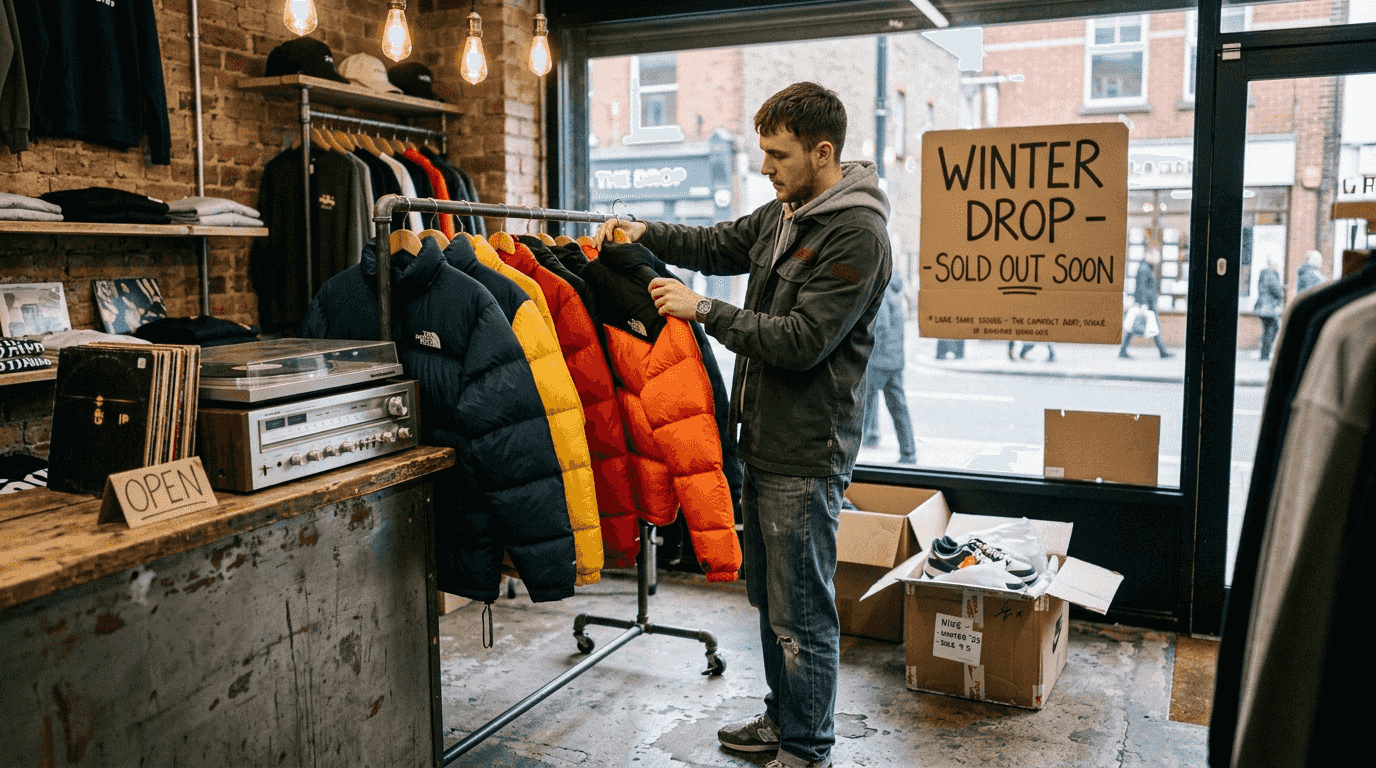
The business implications are significant. Brands that nail seasonal timing capture peak demand and maximize revenue. Those that miss the window face discounting pressure or dead inventory. For consumers, understanding these cycles means knowing when to buy and what to prioritize.
Pro Tip: Follow your favorite brands on social media and sign up for email alerts to catch seasonal drops early, avoiding sellouts and resale premiums.
Seasonal trends in 2026 reflect broader cultural shifts. Sustainability influences material choices, with recycled fabrics and organic cotton gaining traction. Tech integration appears in smart textiles and app-connected accessories. Nostalgia cycles bring 2000s aesthetics back, from low-rise denim to chunky sneakers.
| Season | Trend Focus | Key Products |
|---|---|---|
| Spring 2026 | Pastel palettes, lightweight layers | Windbreakers, graphic tees, canvas sneakers |
| Summer 2026 | Bold prints, breathable fabrics | Mesh jerseys, shorts, slides |
| Fall 2026 | Earth tones, transitional pieces | Hoodies, fleece, mid-top sneakers |
| Winter 2026 | Monochrome, insulated gear | Puffer jackets, beanies, boots |
Exploring types of streetwear in 2026 reveals how seasonal variations shape subcategories. Techwear emphasizes function and weather resistance. Skate-inspired styles prioritize durability. Luxury streetwear blends high-end materials with casual silhouettes. Each category responds differently to seasonal cycles, offering consumers multiple entry points based on personal style and budget.
The streetwear buying guide 2026 helps navigate these choices strategically. Understanding seasonal mechanics prevents impulse purchases and builds intentional wardrobes that balance trend participation with long-term wearability.
Comparing seasonal streetwear to non-seasonal streetwear
Streetwear means culture-led casual wear that blends sportswear, workwear, and subcultural style. Within this broad category, seasonal and non-seasonal approaches serve different purposes and appeal to different mindsets.
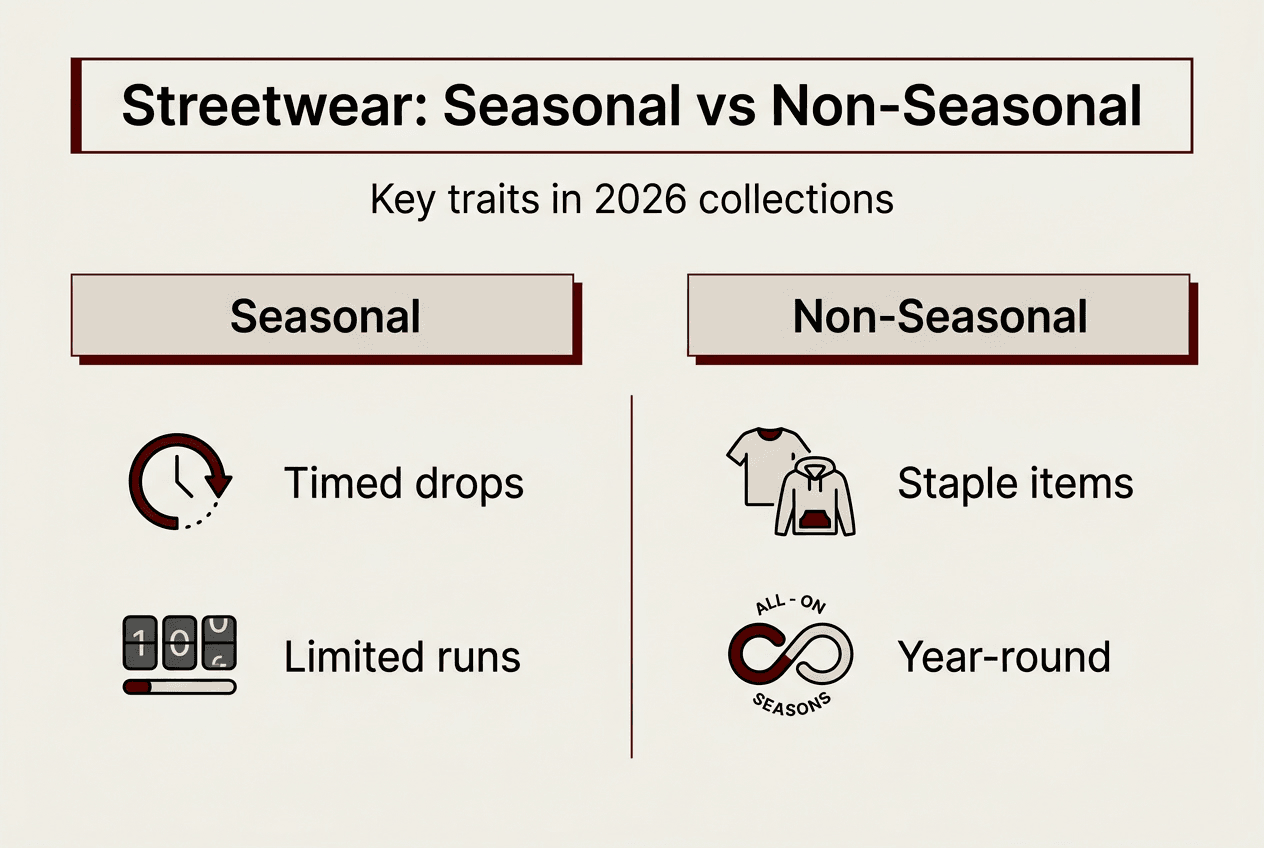
Seasonal streetwear thrives on newness and timeliness. Brands release collections tied to specific moments, creating hype through limited availability and trend alignment. These pieces often feature bold graphics, experimental cuts, or collaborations that make them instantly recognizable as current. The appeal lies in being part of the cultural conversation, owning something that signals awareness and participation.
Non-seasonal streetwear emphasizes timelessness and versatility. Classic hoodies, plain tees, and staple denim transcend trend cycles, remaining relevant year after year. These pieces form the foundation of most wardrobes, providing reliable options that work across seasons and styling contexts. Brands focusing on non-seasonal items prioritize quality construction and enduring design over fleeting trends.
| Aspect | Seasonal Streetwear | Non-Seasonal Streetwear |
|---|---|---|
| Release Strategy | Timed drops, limited runs | Continuous availability |
| Design Focus | Trend-driven, statement pieces | Timeless basics, versatile staples |
| Pricing | Often premium due to scarcity | Varies, but accessible options common |
| Collectibility | High, especially collaborations | Lower, unless iconic designs |
| Wardrobe Role | Accent pieces, trend participation | Foundation layers, daily wear |
The streetwear vs high fashion debate often overlooks this internal division. High fashion operates on strict seasonal calendars with runway shows dictating trends. Streetwear borrowed this structure but democratized it, making seasonal releases accessible to broader audiences while maintaining exclusivity through limited quantities.
Benefits of seasonal streetwear:
- Keeps your style current and culturally relevant
- Creates excitement through drop culture and community participation
- Offers investment potential if pieces become collectible
- Allows self-expression through trend experimentation
Challenges of seasonal streetwear:
- Requires constant awareness of release calendars
- Can become expensive chasing every trend
- Pieces may feel dated as trends shift
- Availability windows create pressure to buy immediately
Non-seasonal pieces solve different problems. They provide wardrobe stability, reduce decision fatigue, and offer better cost-per-wear value. A quality black hoodie purchased today will still work in 2028. A neon green graphic tee tied to a 2026 meme might not.
Pro Tip: Build a wardrobe foundation with 70% non-seasonal staples and 30% seasonal statement pieces to balance trend participation with long-term versatility.
The streetwear cultural significance emerges from this tension between newness and timelessness. Seasonal drops keep the culture dynamic and engaged. Timeless staples ensure accessibility and longevity. Both approaches contribute to streetwear’s enduring appeal and global reach.
Understanding this distinction helps you shop smarter. Invest in quality staples that anchor your wardrobe. Experiment with seasonal pieces that reflect current interests and cultural moments. This balanced approach delivers style flexibility without financial strain or closet clutter.
How to navigate and style seasonal streetwear in 2026
Navigating seasonal streetwear requires strategy, not just budget. Smart consumers blend awareness, timing, and personal style to build wardrobes that feel fresh without constant overhauls.
Steps to identify key seasonal pieces:
- Follow trend reports from credible sources tracking streetwear culture and fashion forecasting
- Monitor social media for emerging aesthetics gaining traction in your communities
- Pay attention to what influencers and peers wear, noting recurring themes
- Visit brand websites and sign up for newsletters announcing upcoming drops
- Set calendar reminders for release dates of pieces you genuinely want
Timing matters as much as taste. Buying winter gear in September beats scrambling in December when popular items sell out. Spring collections often drop in February, giving you first pick before demand peaks. Understanding these rhythms prevents missed opportunities and reduces reliance on resale markets.
Mixing timeless and seasonal items creates depth and versatility:
- Pair a seasonal graphic hoodie with classic black denim and white sneakers
- Layer a timeless coach jacket over a trend-driven printed tee
- Combine seasonal accessories like a bold beanie with staple outerwear
- Use neutral basics to ground statement seasonal pieces
This approach extends the life of seasonal purchases. A 2026 pastel windbreaker might feel dated by 2028, but styling it with timeless pieces keeps it wearable longer. You’re not locked into full-trend outfits that age poorly.
Pro Tip: Photograph outfits you love to build a visual reference library, making it easier to recreate successful combinations and identify gaps in your wardrobe.
Strategies for budget-friendly yet premium selections:
- Prioritize quality over quantity, buying fewer pieces that last longer
- Wait for end-of-season sales on items you missed during initial drops
- Explore emerging brands offering fresh designs at lower price points than established names
- Consider secondhand markets for gently used seasonal pieces from previous years
- Invest in versatile items that work across multiple seasons and styling contexts
Building a streetwear wardrobe starts with understanding your personal style and lifestyle needs. A student’s wardrobe differs from a working professional’s, even within streetwear culture. Identify your daily activities, climate requirements, and aesthetic preferences before chasing trends.
Styling advice to express authentic identity:
- Choose pieces that resonate with your actual interests, not just what’s hyped
- Experiment with proportions, mixing oversized and fitted items for visual interest
- Use color strategically, building around a core palette you genuinely enjoy
- Accessorize thoughtfully with items that add personality without overwhelming outfits
- Trust your instincts over trend forecasts when making final purchase decisions
Streetwear outfit ideas 2026 demonstrate how these principles work in practice. Successful outfits balance trend awareness with personal expression, creating looks that feel current without costume-like rigidity.
The goal isn’t to own every seasonal drop. It’s to curate a collection that reflects who you are while participating in the cultural conversations that matter to you. Seasonal streetwear offers tools for self-expression. Use them intentionally, not compulsively.
Explore premium seasonal streetwear and accessories
Navigating seasonal trends becomes easier when you have access to curated collections that balance quality with cultural relevance. BlackWisp.Studio specializes in premium streetwear designed for fashion-conscious individuals who value bold designs and high-quality craftsmanship. The platform’s seasonal drops align with current trends while maintaining the timeless appeal that defines lasting style.
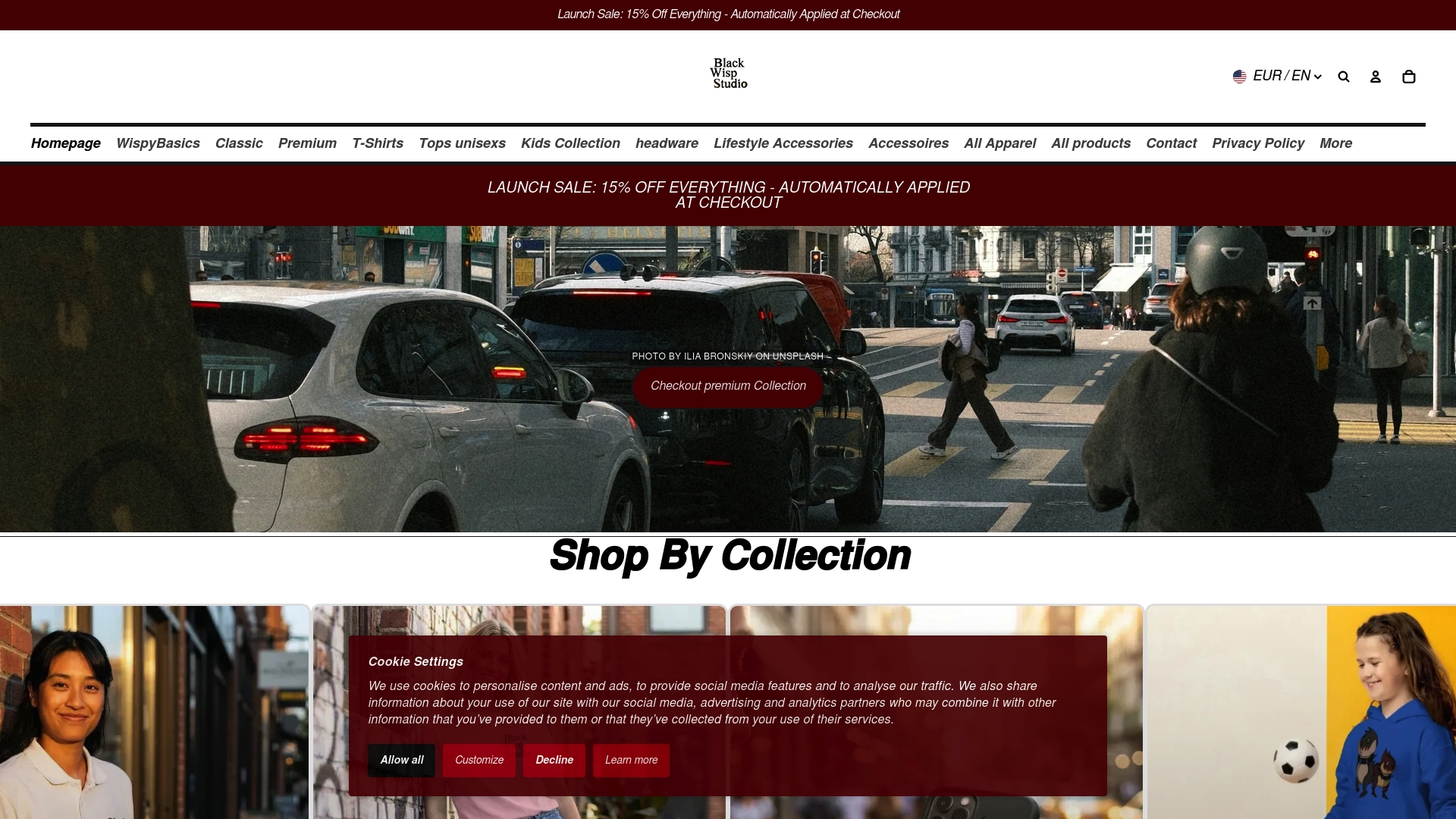
Explore lifestyle accessories that complement your seasonal wardrobe, from statement pieces that anchor outfits to subtle details that add personality. The collection includes premium beanies and snapback hats perfect for transitioning between seasons while maintaining streetwear authenticity. Each piece reflects the intersection of trend awareness and enduring quality, helping you build a wardrobe that evolves without losing its foundation.
Frequently asked questions
What is seasonal streetwear?
Seasonal streetwear refers to clothing and accessories released in alignment with specific time periods, weather patterns, or cultural moments. These drops create urgency through limited availability and trend-driven designs. Unlike year-round staples, seasonal pieces emphasize newness and timeliness, making them highly sought after within streetwear communities.
How do seasonal drops influence streetwear culture and hype?
Seasonal drops create anticipation by announcing release dates in advance, building community excitement and discussion. Limited quantities transform products into collectibles, driving resale markets and brand loyalty. This scarcity model rewards engaged fans who track calendars and act quickly, reinforcing streetwear’s exclusive, insider-focused culture.
Can I mix seasonal and non-seasonal streetwear pieces effectively?
Mixing seasonal and non-seasonal pieces adds depth and longevity to your wardrobe. Use timeless basics like plain hoodies or classic denim as foundations, then accent with seasonal statement pieces like graphic tees or trend-driven outerwear. This balance keeps your style current without requiring constant wardrobe overhauls or excessive spending.
What should I look for when buying seasonal streetwear online?
Check drop dates and availability windows to avoid missing releases or paying resale premiums. Verify authenticity through official brand channels or trusted retailers. Review return policies carefully, as limited-run items often have stricter exchange rules. Read product descriptions for material details and sizing guidance to ensure pieces meet your quality and fit expectations.
Why does streetwear culture emphasize limited runs and exclusivity?
Limited runs create community value by rewarding engaged fans who stay informed and act quickly. Exclusivity transforms clothing into cultural currency, signaling insider knowledge and taste. This scarcity model also maintains brand prestige and resale value, driving the hype cycles that keep streetwear culture dynamic and commercially successful.