

Finding genuine streetwear is tougher than it seems when global trends move fast and counterfeit pieces are everywhere. Fast-paced drops and shifting brand hype push collectors and style fans to stay sharp. Armed with trusted resources from platforms like The Trendspotter and Real Authentication, you can spot real pieces quickly. This guide shows you how to build your own reference system,—from brand research to quality checks—making the hunt for authentic streetwear both easier and smarter.
Table of Contents
- Step 1: Gather Trusted Brand Resources First
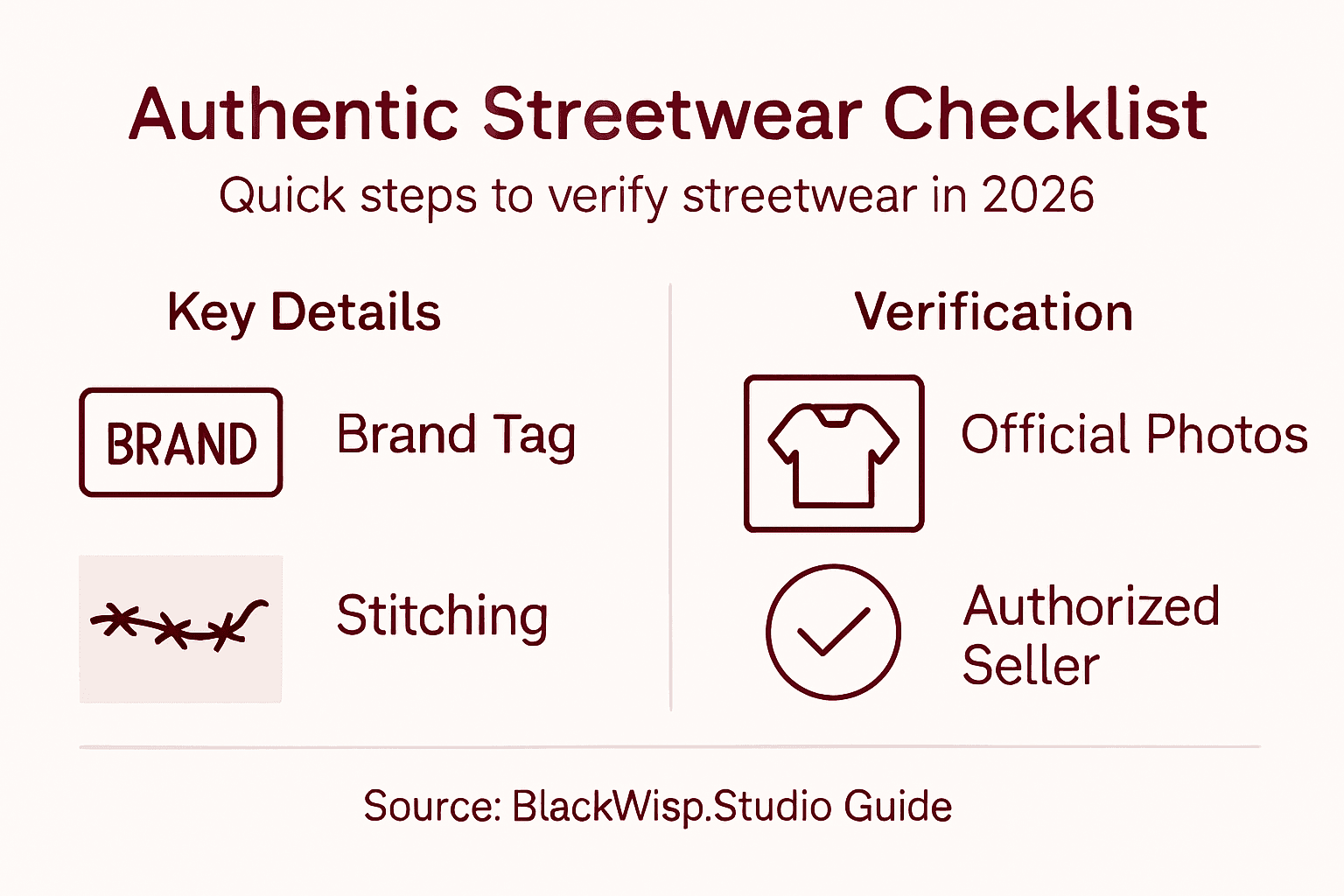
- Step 2: Examine Tags, Stitching, And Materials Closely
- Step 3: Compare Product Details With Official References
- Step 4: Verify Purchase Channels And Documentation
Quick Summary
| Key Insight | Explanation |
|---|---|
| 1. Gather trusted brand resources | Use reliable sources to distinguish authentic streetwear from fakes efficiently. |
| 2. Examine tags and stitching | Focus on tag quality, stitching, and materials to identify counterfeit pieces effectively. |
| 3. Compare with official references | Verify product details against official images and descriptions to catch inconsistencies. |
| 4. Verify purchase channels | Purchase only from authorized retailers to protect against counterfeits and ensure legitimacy. |
Step 1: Gather trusted brand resources first
Before you start hunting for authentic streetwear, you need solid intel. Building a foundation of reliable information helps you spot real pieces from fakes within seconds.
Start by identifying sources that actually know streetwear culture. Look for platforms and publications that have established credibility in the space. Best streetwear brands lists evaluate top labels based on historical impact and cultural relevance, making these resources invaluable when you’re learning what legitimate looks like.
Here’s what to prioritize when gathering your resources:
- Brand official websites and social media accounts (Instagram, TikTok, official stores)
- Established fashion publications covering streetwear authenticity
- Community forums where collectors discuss real versus counterfeit pieces
- Brand history archives showing design evolution and production details
- Retail partner lists from official brand sources
Create a simple reference system. Bookmark key brand websites, follow official accounts, and save articles about specific designers you care about. Your phone’s notes app works fine, or use a spreadsheet to track brand details like founding years, signature design elements, and where pieces are actually manufactured.
Authentic brands consistently communicate their design philosophy and production methods, while counterfeiters usually stay vague about these details.
Pay special attention to brand-specific details. Each authentic streetwear label has distinct design markers, fabric choices, tag styles, and stitching patterns. When you gather resources, focus on finding visual guides showing these specific elements.
Connect with the community. Follow streetwear authentication accounts, join Reddit communities dedicated to specific brands, and engage with collectors who post about their pieces. These communities catch fakes regularly and share knowledge freely.
Pro tip: Screenshot official product images and authentication guides from brand sources directly into a folder on your phone, so you can compare them instantly when you’re shopping in stores or online.
Step 2: Examine tags, stitching, and materials closely
This is where counterfeits fall apart. The details in construction, labeling, and fabric reveal everything about authenticity, and fakes almost always cut corners here.
Start with the tags. Authentic streetwear brands invest in quality tags with crisp printing, proper font sizing, and consistent spacing. Check for spelling errors, faded text, or misaligned graphics, all common signs of counterfeit production. Tags should feel substantial, not flimsy or plasticky.
Now examine the stitching. This is critical. According to stitches and seams standards, quality stitching demonstrates strength, elasticity, and durability that separates legitimate products from knockoffs. Look for these markers:
- Straight, even seams with consistent stitch length throughout
- No loose threads or unraveling edges
- Reinforced stress points like sleeve attachments and pocket corners
- Matching thread color to the garment (or intentionally contrasting if that’s the brand’s style)
- No puckering or bunching along seams
Feel the fabric closely. Authentic streetwear uses specific material blends that counterfeits rarely replicate accurately. Quality materials sourcing ensures sustainable and authentic fabric types that match brand standards. Run your fingers across the surface, check the weight, and test the stretch. Fake pieces often feel cheap, flimsy, or use noticeably different materials than what you’d expect from the brand.
Look at care labels inside garments. Legitimate brands include detailed washing instructions, fiber content percentages, and manufacturing information. Counterfeits typically skip these details or include vague information.
Stitching quality and material authenticity are nearly impossible to fake convincingly at scale, making them your strongest authentication tools.
Check the inside lining and hidden areas. Brands that care about quality maintain standards everywhere, even where customers don’t immediately see. Sloppy construction inside means it’s probably counterfeit.
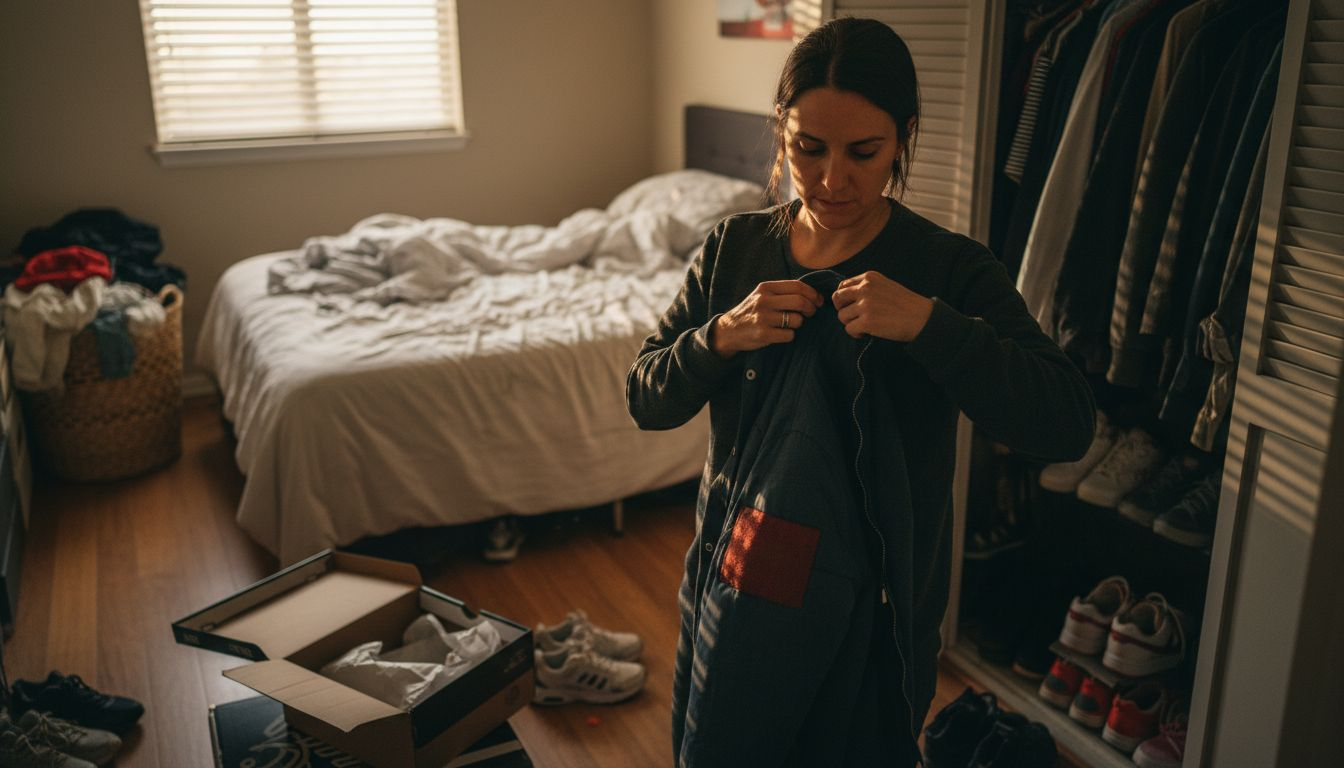
Pro tip: Compare the tag, stitching, and fabric of the piece you’re examining against official product photos and unboxing videos from trusted reviewers, paying special attention to close-up shots of seams and label details.
This reference table summarizes the key signs that distinguish authentic and counterfeit streetwear garments:
| Aspect Examined | Authentic Piece | Counterfeit Piece |
|---|---|---|
| Tag Quality | Crisp print, firm material | Blurry print, flimsy materials |
| Stitching | Even length, reinforced areas | Uneven, loose threads |
| Fabric | Accurate blend, sturdy feel | Cheap, lightweight, odd texture |
| Care Labels | Detailed, consistent information | Vague or missing details |
Step 3: Compare product details with official references
You’ve examined the physical piece. Now it’s time to verify it against what the brand actually produces. This comparison catches inconsistencies that prove whether you’re holding the real deal or a replica.
Pull up the brand’s official website and find the exact product you’re examining. Look at product photos from multiple angles, checking the design placement, color accuracy, and overall construction. Signature design elements from authentic brands reveal consistent patterns that counterfeits struggle to replicate perfectly across production batches.
Compare these specific details:
- Color matching between your piece and official product images
- Logo placement, size, and embroidery or print quality
- Graphic designs, font styles, and text positioning
- Pocket placement, zipper types, and hardware finishes
- Sleeve length, fit proportions, and overall silhouette
- Tag placement and label orientation inside the garment
Check the product listing for size charts and material composition. Authentic pieces match these specifications exactly. If your garment feels significantly different in size or material than what’s listed, that’s a major red flag.
Scroll through user reviews and photos on the official site. Real customers often post their own pictures wearing the item, giving you accurate representation of fit, color, and quality. Compare your piece against these authentic photos.
Counterfeiters copy design details but almost always miss subtle elements like thread tension consistency or hardware weight that only official production maintains.
Search for unboxing videos and detailed reviews from trusted streetwear channels. Reviewers often provide close-up footage of tags, stitching, and packaging that you can reference directly against your purchase.
Document everything. Take clear photos of your piece from the same angles as official product images, making side-by-side comparison simple.
Pro tip: Create a simple spreadsheet listing key product details (color code, tag format, stitching pattern, material blend) from the official product page, then rate how closely your physical piece matches each detail, giving yourself a quick authenticity score.
Step 4: Verify purchase channels and documentation
Where you bought your piece matters as much as what you bought. Legitimate retailers and authorized channels protect you from counterfeits, while sketchy sellers are usually selling fakes.
Buy only from authorized retailers. Check the brand’s official website for a list of authorized sellers and distributors in your region. Major streetwear brands maintain strict control over who sells their products, so if a seller isn’t on that list, walk away.
Verify these purchase indicators:
- Official brand websites and flagship stores
- Authorized department stores and boutiques
- Certified resale platforms with authentication services
- Direct brand social media shops
- Licensed online retailers with verified credentials
Keep all original documentation. Your receipt, order confirmation, shipping label, and packaging all serve as proof of legitimacy. Counterfeits often arrive without proper documentation or with incomplete paperwork.
Check your receipt carefully. It should include the brand name, product details, price point, seller information, and purchase date. Prices that seem way too low compared to retail suggest counterfeit merchandise.
Here’s a quick comparison of reliable versus suspicious streetwear purchase channels:
| Purchase Channel Type | Typical Authenticity Level | Buyer Protection | Example Features |
|---|---|---|---|
| Official Brand Store | Highest | Full | Direct warranty, return policies |
| Authorized Department Store | High | High | Receipts, branded packaging |
| Certified Resale Platform | Medium to High | Moderate | Authentication services, guarantees |
| Unverified Third-Party Marketplace | Low | Minimal | Often lacks brand support |
Purchase receipts and documentation are your strongest evidence of authenticity when reselling or if disputes arise later.
Consider professional authentication services for high-value pieces. Expert authentication platforms offer digital verification through detailed image analysis and expert evaluation, providing certified documentation that protects your investment and increases resale confidence.
For maximum assurance, use platforms offering third-party apparel authentication. These services examine your piece against brand standards and issue digitally verified certificates, crucial for expensive purchases or resale transactions.
Documentation matters legally too. If you ever need to prove authenticity for a dispute or insurance claim, proper purchase history becomes essential.
Pro tip: Photograph your receipt, order confirmation, and shipping label immediately after purchase and store digital copies in a cloud folder organized by brand and product, making future reference and resale verification instant.
Shop Authentic Style with Confidence at BlackWisp.Studio
Navigating the complex world of streetwear authenticity can be overwhelming. This guide on identifying authentic streetwear highlights the importance of scrutinizing tags, stitching, materials, and verified purchase channels to avoid costly imitations. At BlackWisp.Studio, we understand your passion for premium craftsmanship and bold street style. That is why our curated collections guarantee genuine pieces crafted with attention to detail and quality you can trust.
Explore our New Arrivals - Latest Streetwear Drops | BlackWisp.Studio to find the freshest authentic styles that reflect true streetwear culture.
Take control of your streetwear journey today by choosing from our selection of honest, high-quality designs. Visit BlackWisp.Studio now to shop with confidence and elevate your wardrobe with authentic pieces. For those seeking exclusive and carefully crafted items, our Premium Streetwear | BlackWisp.Studio collection offers standout options that meet the highest authenticity standards. Start building your genuine streetwear collection with us today.
Frequently Asked Questions
How can I gather trusted resources to identify authentic streetwear?
Start by identifying reputable sources like brand official websites and established fashion publications that focus on streetwear culture. Bookmark these sites for quick access and create a reference system that tracks brand histories, design details, and community insights.
What specific details should I examine on streetwear tags?
Examine tags for crisp printing, consistent font sizing, and substantial materials. Look for common signs of counterfeits, such as spelling errors or misaligned graphics, which indicate a lack of quality in construction.
How can I determine if the stitching on my streetwear is authentic?
Check the stitching for straight, even seams and no loose threads. Authentic pieces will show reinforced areas, while counterfeits often have sloppy or uneven stitching that undermines the garment’s quality.
What comparisons should I make to verify product authenticity?
Compare your streetwear piece to official product images on a brand’s site, focusing on design placement, color accuracy, and specific markers like logo placement. Make a checklist of key product details, rating your piece against each to gauge its authenticity.
Why is it important to verify purchase channels for streetwear?
Verifying purchase channels ensures you’re buying from authorized retailers, protecting you from counterfeit products. Always seek out official brand stores or authorized sellers to reduce the risk of buying fake merchandise.
What documentation should I keep after purchasing streetwear?
Keep all original documentation, including receipts and shipping labels, as proof of authenticity. This paperwork is essential for future reference, resale, or if any disputes arise about the authenticity of your piece.