

Finding style that feels original and meaningful can seem impossible when trends change overnight. That is why streetwear culture today stands as a powerful form of self-expression and connection, where fashion speaks louder than words and builds genuine community. This article uncovers how streetwear became a unique cultural force, showing you what sets it apart now and how it shapes youth identity across global cities.
Table of Contents
- What Defines Streetwear Culture Today
- Subcultural Roots and Early Influences
- Key Eras and Regional Movements
- Major Brands and Cultural Collaborations
- Streetwear’s Role in Youth Identity and Expression
- Risks, Commercialization, and Mainstream Adoption
Key Takeaways
| Point | Details |
|---|---|
| Authenticity and Community Engagement | Streetwear culture emphasizes genuine self-representation and strong consumer-brand connections. |
| Cultural Transformation and Globalization | Streetwear has evolved from underground subcultures to a global phenomenon, blending various cultural influences. |
| Youth Identity and Expression | For younger generations, streetwear represents a powerful medium for self-expression, rebellion, and community ties. |
| Commercialization Risks | The movement faces challenges in maintaining authenticity amid mass production and commercial pressures. |
What Defines Streetwear Culture Today
Streetwear culture has evolved far beyond traditional fashion boundaries, transforming into a powerful medium of personal expression and community identity. Contemporary cultural dynamics reveal that streetwear is no longer just clothing, but a complex language of individualism and social connection.
Today’s streetwear culture is characterized by several key defining elements:
- Authenticity: A commitment to genuine self-representation
- Community Engagement: Strong connections between brands and consumers
- Personal Storytelling: Using fashion as a communication tool
- Global Connectivity: Transcending geographic and cultural boundaries
The emotional resonance of streetwear goes beyond aesthetic appeal. Youth identity construction now relies heavily on the narrative and symbolic value of clothing, where each piece represents more than just fabric - it embodies personal beliefs, creative expression, and social positioning.
Streetwear has become a cultural phenomenon where fashion serves as a visual dialogue of individual identity.
Brands that succeed in this landscape understand they’re selling more than products - they’re offering membership in a global, dynamic community. These brands create ecosystems of belonging, where clothing becomes a form of social currency and personal branding.
Pro tip: Invest in streetwear pieces that genuinely reflect your personal narrative and connect you to communities that resonate with your authentic self.
Subcultural Roots and Early Influences
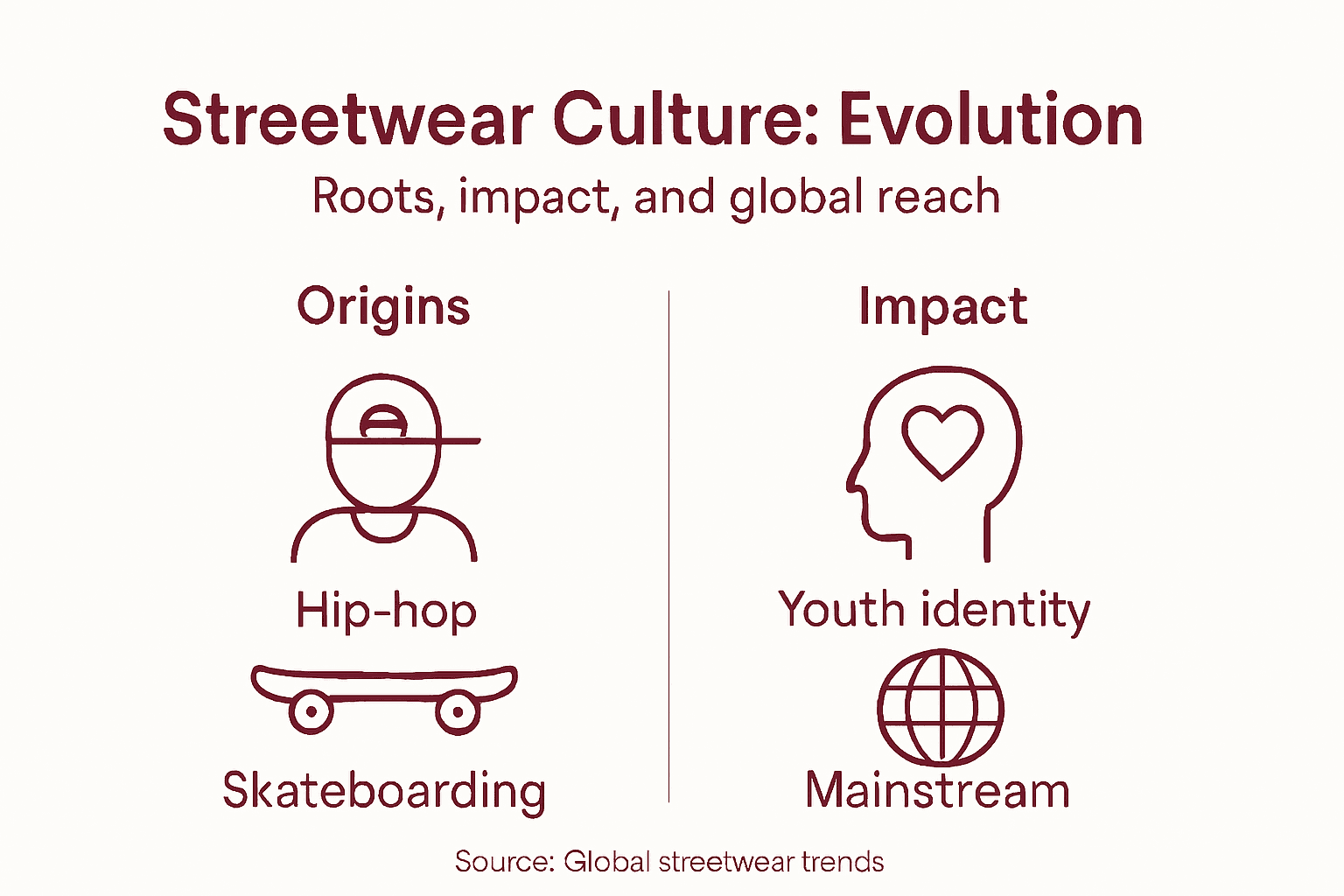
Urban youth subcultures forged the foundation of streetwear in the late 1970s and 1980s, creating a revolutionary fashion movement that transcended traditional clothing norms. These underground scenes - including skateboarding, hip-hop, punk, and graffiti art - became the crucibles of a new aesthetic that prioritized self-expression, rebellion, and individual creativity.
The key subcultural influences that shaped streetwear emerged from specific geographic contexts:
- Skateboarding Culture: Southern California’s rebellious skate scene
- Hip-Hop Movements: New York City’s urban music and style landscape
- Punk Rock Aesthetics: Raw, anti-establishment visual expressions
- Graffiti Art: Underground urban visual communication
California’s surf and skate scenes merged with East Coast urban styles to create a unique fashion language. Pioneers like Shawn Stussy transformed surf brand designs into street-ready apparel, while designers such as Dapper Dan reimagined luxury fashion through an urban lens.
Streetwear emerged as a radical form of self-expression, challenging mainstream fashion’s rigid conventions.
These subcultures shared core values that became streetwear’s DNA: comfort, functionality, individualism, and a powerful rejection of traditional fashion hierarchies. Oversized t-shirts, baggy jeans, and sneakers weren’t just clothing - they were statements of identity and resistance.
Pro tip: Research the historical subcultures that inspire your favorite streetwear brands to understand the deeper cultural significance behind the designs.
Key Eras and Regional Movements
Streetwear’s evolutionary timeline reveals a fascinating journey from underground subculture to global phenomenon. Each era brought distinctive characteristics that transformed streetwear from a niche aesthetic into a powerful cultural force, with regional movements playing crucial roles in its development.
The key eras of streetwear can be categorized as follows:
- 1970s-1980s: Underground origins and initial subcultural formation
- 1990s: Brand emergence and early commercialization
- 2000s: High fashion collaborations and global expansion
- 2010s-Present: Digital integration and global hybridization
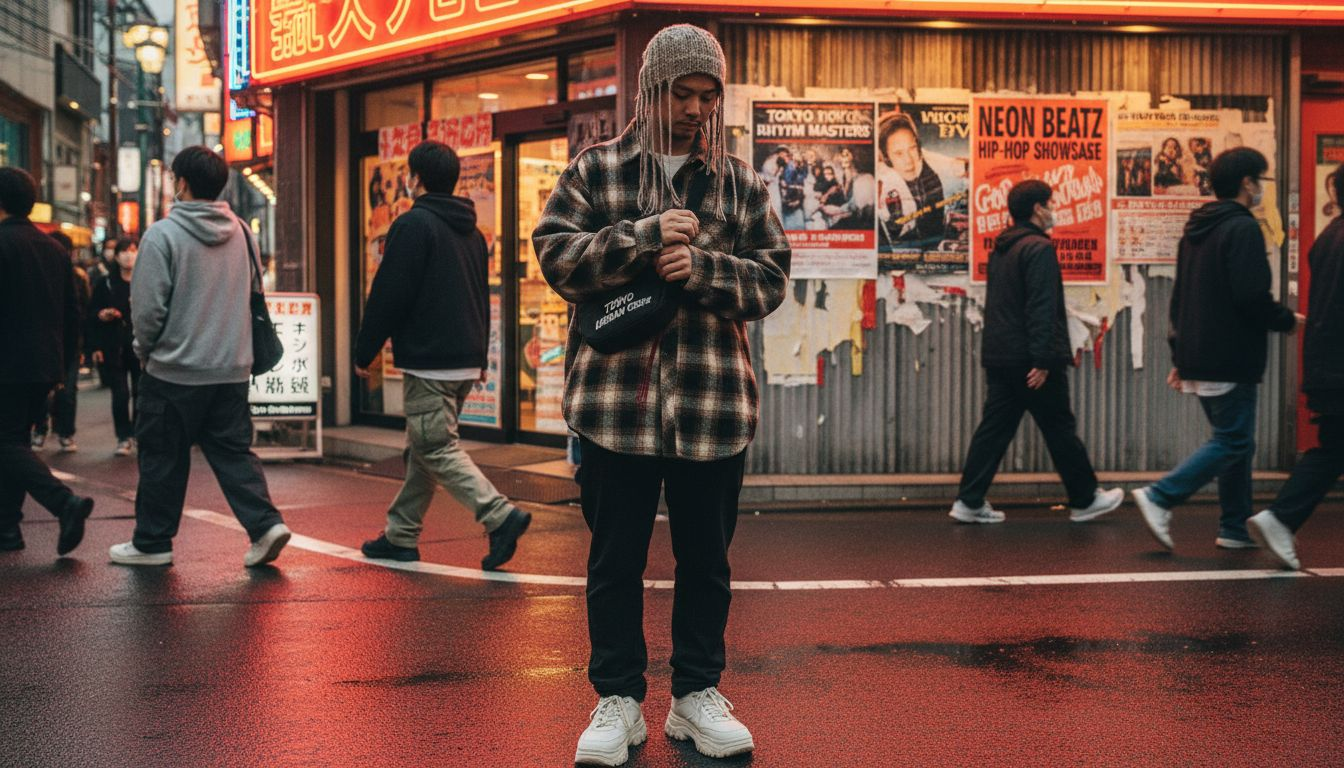
Regional movements significantly shaped streetwear’s evolution, with distinct cultural hubs contributing unique perspectives. California’s skate culture introduced relaxed, functional design, while New York’s hip-hop scene infused urban attitude and bold graphic expressions. Japanese designers brought meticulous craftsmanship and avant-garde sensibilities, creating a sophisticated interpretation of streetwear that emphasized quality and innovative design.
Streetwear’s power lies in its ability to transform local cultural expressions into global fashion statements.
Each geographic region interpreted streetwear through its own cultural lens, resulting in a rich, diverse global aesthetic. Brands like Stüssy, Supreme, and A Bathing Ape emerged as cultural ambassadors, translating local subcultures into internationally recognized fashion languages that transcended traditional boundaries.
Pro tip: Explore streetwear brands from different global regions to understand how local cultural contexts influence design and style.
Major Brands and Cultural Collaborations
Streetwear brand narratives have transformed from underground movements to global cultural phenomena, with key players strategically blending urban authenticity and high-fashion sensibilities. These brands have mastered the art of creating exclusive, culturally resonant products that transcend traditional fashion boundaries.
The most influential streetwear brands include:
- Supreme: Masters of limited-edition drops and cultural collaboration
- Stüssy: Pioneers of surf-inspired street aesthetic
- Off-White: Bridging luxury fashion and urban streetwear
- A Bathing Ape (BAPE): Japanese streetwear innovators
Luxury fashion collaborations have been instrumental in elevating streetwear’s global status. Partnerships between urban brands and high-end fashion houses like Louis Vuitton and Nike have created hybrid products that challenge traditional fashion hierarchies, demonstrating streetwear’s transformative cultural power.
Cultural collaborations represent more than fashion - they’re dynamic conversations between different creative universes.
These strategic partnerships leverage celebrity endorsements, exclusive product drops, and complex narrative strategies to create desirability. By blending authenticity with strategic marketing, streetwear brands have successfully positioned themselves as cultural movements rather than mere clothing manufacturers.
Here’s a summary comparing influential streetwear brands and their cultural contributions:
| Brand | Origin | Unique Contribution | Major Collaboration |
|---|---|---|---|
| Supreme | New York, USA | Iconic product drops, exclusivity | Louis Vuitton |
| Stüssy | California, USA | Surf/skate aesthetics, grassroots | Nike |
| Off-White | Milan, Italy | Luxury street hybrid, bold design | Nike, IKEA |
| A Bathing Ape | Tokyo, Japan | Graphic innovation, global appeal | Adidas, Pepsi |
Pro tip: Follow emerging streetwear brands and understand their collaborative strategies to appreciate the nuanced cultural storytelling behind each collection.
Streetwear’s Role in Youth Identity and Expression
Youth identity construction through streetwear represents far more than a fashion choice - it’s a complex form of personal and cultural communication. For Generation Z and millennials, clothing has transformed from mere fabric to a powerful medium of self-expression, rebellion, and community connection.
Key dimensions of streetwear’s identity role include:
- Personal Storytelling: Using clothing as a narrative platform
- Cultural Rebellion: Challenging traditional social norms
- Community Belonging: Creating shared visual languages
- Individual Confidence: Expressing authentic self-representation
Generation Z’s fashion preferences have dramatically reshaped streetwear’s significance, emphasizing uniqueness, comfort, and social values. Social media has accelerated this transformation, turning streetwear into a global platform for identity exploration where geographical boundaries become increasingly irrelevant.
Streetwear is not just what you wear - it’s a declaration of who you are.
The cultural significance extends beyond aesthetic choices. Streetwear serves as a nuanced communication tool, allowing young people to signal their values, affiliations, and personal philosophies through carefully curated clothing selections. It represents a form of soft power, where individual style becomes a mechanism for social connection and personal branding.
Pro tip: Choose streetwear pieces that authentically represent your personal narrative and connect you with communities that share your values.
Risks, Commercialization, and Mainstream Adoption
Streetwear’s cultural transformation represents a complex narrative of adaptation, challenge, and potential compromise. As the movement transitions from underground subculture to global phenomenon, it confronts critical tensions between authenticity, commercial viability, and cultural preservation.
Key challenges in streetwear’s mainstream evolution include:
- Cultural Appropriation: Diluting original community meanings
- Authenticity Erosion: Losing rebellious underground roots
- Mass Production: Reducing unique design value
- Market Commodification: Transforming rebellion into trend
Luxury fashion collaborations have accelerated streetwear’s mainstream trajectory, introducing complex dynamics between exclusivity and accessibility. These partnerships simultaneously elevate streetwear’s cultural status while risking its original subversive identity.
Mainstream adoption is a double-edged sword - bringing recognition but potentially sacrificing authentic cultural roots.
The most significant risk lies in streetwear losing its foundational narrative of self-expression and social commentary. Brands must navigate a delicate balance between broadening appeal and maintaining the genuine cultural essence that originally defined the movement. Successful streetwear now requires deep understanding of its historical context and commitment to representing diverse community voices.
This table highlights key risks and rewards for streetwear’s transition to mainstream:
| Aspect | Mainstream Benefit | Potential Risk |
|---|---|---|
| Global Visibility | Wider cultural impact | Loss of subcultural roots |
| Brand Growth | Higher sales, reach | Commercial overexposure |
| Design Innovation | Cross-industry ideas | Diluted authenticity |
| Community Identity | Expansion of networks | Erosion of local meaning |
Pro tip: Support streetwear brands that actively reinvest in and credit their original cultural communities.
Embrace Your Streetwear Identity with BlackWisp.Studio
The article highlights the deep roots of streetwear culture in authentic self-expression, community connection, and cultural storytelling. The challenge many face today is finding streetwear that truly speaks to their personal narrative and reflects the rebellious spirit of the movement without losing authenticity amid mainstream commercialization. If you seek to wear apparel that is more than fabric but a bold declaration of individuality and belonging BlackWisp.Studio offers premium streetwear crafted for just that purpose. Our collections like WispyBasics and Classics blend quality craftsmanship with designs that resonate with the streetwear ethos of authenticity and cultural evolution.
Discover how your style can become a visual dialogue of identity and culture at BlackWisp.Studio. Dive into thoughtfully curated hoodies, t-shirts, and accessories that connect you to street culture’s roots and contemporary impact. Act now and join a global community that values real self-expression and bold fashion statements. Start shaping your story today at BlackWisp.Studio and explore collections that keep the spirit of streetwear alive.
Frequently Asked Questions
What are the main influences that shaped streetwear culture?
Streetwear culture is primarily influenced by urban youth subcultures such as skateboarding, hip-hop, punk rock, and graffiti art, emphasizing self-expression and individuality.
How has streetwear evolved from its underground roots to mainstream culture?
Streetwear evolved from the 1970s as an underground movement to a global phenomenon, particularly in the 1990s with brand emergence and commercialization, leading to high-fashion collaborations in the 2000s and digital integration in recent years.
What role does streetwear play in youth identity and expression?
Streetwear serves as a powerful medium for personal expression, allowing young people to communicate their values, beliefs, and community connections through curated clothing choices.
What are the risks associated with streetwear’s commercialization?
Key risks include cultural appropriation, erosion of authenticity, mass production reducing uniqueness, and the commodification of the original rebellious spirit that defined streetwear culture.